
承受太多苦难之人的八个特质 8 Traits of Those Who Have Suffered Too Much
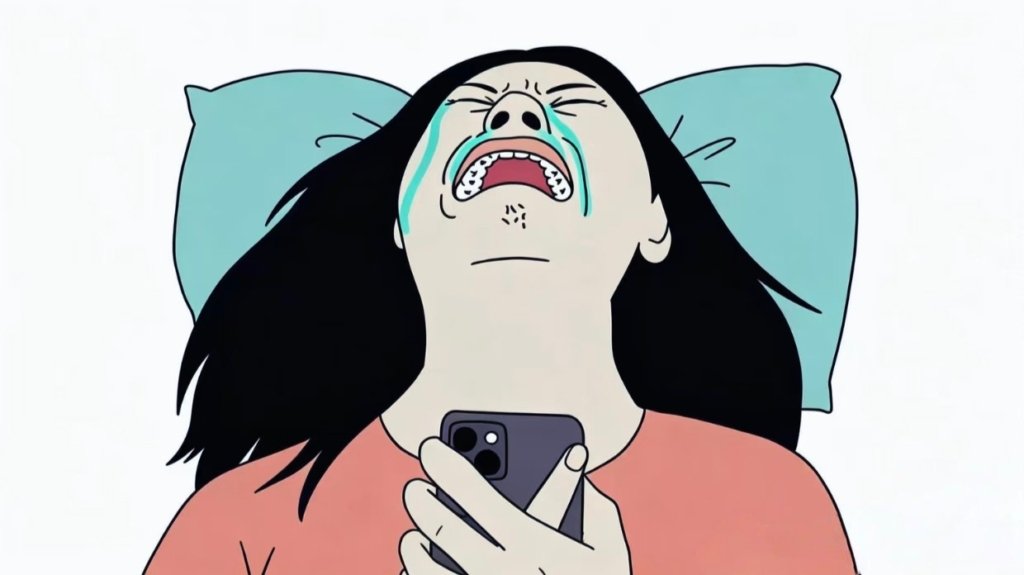
承受太多苦难之人的8个特质
- Heightened Empathy That Sees the Unspoken高度共情:能读懂未说出口的痛苦
When you’ve walked through life’s harshest storms, you learn to read the quiet pain others try to hide. People who’ve known deep suffering don’t just feel sympathy—they feel the unspoken weight in a crowded room, the silent struggle behind a forced smile. They become quiet allies, offering comfort without words, because they know what it’s like to need someone to see you when you can’t speak. Their empathy isn’t learned—it’s forged in their own battles, turning them into gentle protectors of the hurting.
真正扛过苦难的人,会自带一种“看见沉默”的能力。他们能在拥挤的人群里,捕捉到别人强撑笑容下的疲惫;能在旁人看不出问题的细节里,接住那些说不出口的挣扎。这种共情不是刻意的温柔,而是自己淋过雨,所以总想给别人撑把伞。他们从不用“你别难过了”这样的空话安慰人,而是会默默递上一杯热饮、陪你坐一会儿,因为他们懂:有些痛苦,不需要语言也能被看见。
- Hyper-Independence: Self-Reliance as Armor过度独立:把自给自足活成了铠甲
People who’ve been let down one too many times gradually learn to let go of expectations from others. They refuse to ask for help, even when things are far beyond what they can handle alone—they’d rather grit their teeth and carry it all by themselves. This isn’t pride; it’s the fear of being abandoned all over again.
被辜负过太多次的人,会慢慢戒掉对别人的期待。他们拒绝求助,哪怕事情已经超出了自己的能力范围,也硬撑着自己扛。这不是骄傲,而是怕再一次被丢下。
This kind of self-reliance isn’t something they’re born with. It’s repeated disappointment that taught them a plain truth: you can only truly count on yourself. They grow used to fixing problems, bearing heavy burdens, and processing their emotions entirely on their own. Deep down, they know only they will never turn their back on themselves. In the end, being fully self-sufficient becomes the armor they hide behind to stay safe.
这种独立不是天生的,而是过去的失望一次次告诉他们:靠人不如靠己。他们习惯了自己修水管、自己搬重物、自己消化情绪,因为他们知道,只有自己永远不会背叛自己。自给自足,成了他们保护自己的铠甲。
- Perfectionism: A Quiet Cry for “Enough”完美主义:藏在极致背后的”我不够好”
For those who’ve known suffering, perfectionism isn’t about being flawless-it’s about being safe. If everything they do is perfect, no one can criticize them, no one can hurt them again. They chase excellence relentlessly, haunted by a quiet fear of not being “enough.” This drive comes from a past where their worth was tied to mistakes, where even small flaws led to pain. Their achievements shine bright, but they carry a hidden plea: to be seen, to be valued, just as they are.
扛过苦难的人追求完美,从来不是为了赢,而是为了不被伤害。他们怕出错,怕被挑刺,怕自己做得不够好就被抛弃,所以拼尽全力把每件事做到极致。这种完美主义,是一种无声的自我保护:只要我没有缺点,就不会再被否定,不会再承受那些因为”不够好”带来的痛苦。他们的成就越亮眼,心里的不安就越重,总觉得”还不够好”,其实只是忘了,不完美的自己,也值得被爱。
- Emotional Guarding: A Locked Heart That Once Burned情感防卫:被灼伤过的心,学会了上锁
Opening up feels like handing someone a knife—they could use it to hurt you. Those who’ve endured deep pain learn to lock their hearts tight, building walls to keep others out. They aren’t cold or distant by choice; they’re protecting the part of themselves that once loved openly and got burned. They show the world a calm, unshakable face, hiding the warmth and softness inside. Vulnerability once led to suffering, so they guard their emotions like a treasure, only letting a few trusted people see the real them.
受过伤的人,很难再毫无保留地敞开心扉。他们把情绪锁起来,对人保持着礼貌的距离,不是冷漠,而是怕再一次掏心掏肺,却被当成靶子。他们曾因为柔软被伤害,所以学会了装出一副无坚不摧的样子,把温柔和脆弱藏在最深处。别人只看到他们的冷静疏离,却不知道,他们心里的那团火,曾被人狠狠浇灭过,现在只敢在少数信任的人面前,悄悄点燃一点余温。
- A Hunger for Control: Taming Chaos对掌控的渴望:在秩序里找安全感
When your past is defined by chaos, control becomes your lifeline. People who’ve lived through unpredictable pain crave order: they plan every detail, stick to routines, and organize their lives to avoid surprises. Control over their environment, their choices, their daily habits—it’s not about being rigid, it’s about feeling safe. They’ve learned that life can spin out of control in an instant, so they build a predictable world around themselves, where the chaos that once broke them can’t reach.
如果过去的生活充满了失控和意外,人就会疯狂地想要抓住秩序。扛过苦难的人,大多是细节控、规划狂:他们把日程排得满满当当,把东西摆得整整齐齐,把每件事都提前想好预案。这种对控制的执念,不是死板,而是在混乱里抓住的救命稻草。他们曾被命运推着走,尝过身不由己的痛苦,所以现在只想把一切都握在手里,让自己活在一个“不会再被突然打碎”的安全区里。
- A Fierce Sense of Justice: Turning Pain into Purpose强烈的正义感:把自己的痛,变成别人的伞
Those who’ve been on the wrong side of injustice don’t just want fairness for themselves—they want it for everyone. When you’ve known what it’s like to be powerless, you can’t stand seeing others treated unfairly. Their suffering fuels a fire in them to stand up for the vulnerable, to right wrongs, to fight for what’s right. Justice isn’t just a word to them; it’s a mission, born from their own pain, to make sure no one else has to go through what they did.
被不公对待过的人,最懂弱者的无力感。他们吃过 “被欺负没人管” 的苦,所以见不得别人受委屈。这种正义感不是天生的,而是自己淋过雨,就见不得别人淋雨。他们会为陌生人的不公发声,会帮被忽视的人说话,因为他们知道,那种孤立无援的滋味有多难熬。他们的愤怒,从来不是为了自己,而是想让更多人不用再经历自己受过的苦。
- A Search for Meaning: Making Sense of the Pain对意义的追寻:在痛苦里长出答案
Suffering doesn’t just hurt—it makes you question everything. Those who’ve endured too much don’t stop at “why me?” They dig deeper, searching for purpose in their pain. They turn their story from “victim” to “survivor,” weaving their experiences into something meaningful: through spirituality, philosophy, or simply helping others. They refuse to let their suffering be wasted; they want it to mean something, to teach them something, to shape them into someone who understands life’s depth.
扛过苦难的人,都会忍不住追问 “为什么是我?”,但他们不会停在这里。他们会在痛苦里找意义:或许是学会了共情,或许是找到了想守护的东西,或许是想把自己的经历变成照亮别人的光。他们不想让自己的苦白受,所以会把那些破碎的经历,拼成属于自己的人生答案。这种追寻,不是为了和过去和解,而是为了告诉自己:那些经历,不是惩罚,而是让我看清生命重叠的过程。
- Unshakable Resilience: Bouncing Forward, Not Just Back打不倒的韧性:不是回弹,而是向前生长
Resilience in those who’ve suffered isn’t just about “bouncing back”—it’s about growing forward. Every fall taught them how to land softly; every wound taught them how to heal stronger. Their resilience is quiet, like the roots of an old tree: unseen, but unbreakable. They might bend when life hits hard, but they never break. They draw strength from a place only those who’ve truly suffered know, a deep well of courage that keeps them going, even when the road is dark.
真正的韧性,不是摔了再爬起来,而是摔过之后,学会了怎么摔得更轻、怎么长得更牢。扛过苦难的人,就像老树的根,看着安静,却早已在地下扎得深深的。生活的风刮过来,他们会弯,但绝不会断。他们的坚强不是装出来的,而是一次次和痛苦交手后,慢慢练出来的底气:我经历过最坏的,就再也不怕任何事了。
The traits of those who have suffered deeply are not just scars, but stars guiding them through the dark. They remind us of human resilience—the ability to heal, to empathize, to find meaning in the mess. These people are not broken; they are rebuilt, stronger and kinder, from the pieces. They teach us that even the deepest pain can bloom into compassion, courage, and purpose. They are living proof that suffering doesn’t have to define you—it can refine you.
扛过苦难的人,身上的特质从来不止是伤疤,更是照亮前路的星子。他们让我们看见人性里最坚韧的力量:被伤害过,依然愿意温柔待人;被生活捶打过,依然敢向前走;经历过无意义的痛苦,依然能为自己的人生找到意义。他们不是“被打坏了”,而是在废墟上,重新建了一个更坚固、更温柔的自己。他们用自己的经历告诉我们:苦难从来不是终点,而是让你看清自己有多强大的起点。哪怕走在最深的黑夜里,你也能靠着自己,慢慢走到有光的地方。


