
如何欺骗你的大脑勇于面对困难与挑战How to Trick Your Brain into Doing Hard Things
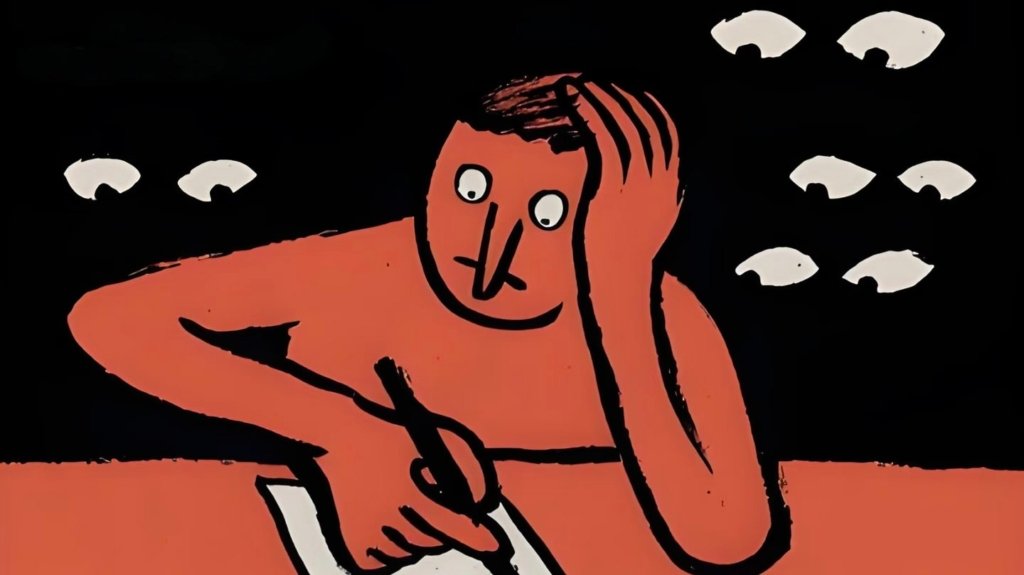
We’ve all been there. Staring at a pile of work, a challenging project, or a taxing problem, we often feel like a mouse facing a cat. We get the sinking sensation of being stuck between the proverbial rock and a hard place. The pull to retreat back into the comfort zone is too tempting to resist. Yet, what if I told you that your brain, your greatest weapon, could be tricked into tackling these challenges head-on?
我们都有过这样的经历。面对一堆工作、一个具有挑战性的项目或一个棘手的问题时,我们常常感觉自己就像一只老鼠面对一只猫。我们有一种进退两难的感觉。退回舒适区的诱惑实在太诱人了,让人无法抗拒。然而,如果我告诉您,您的大脑,您最强大的武器,可以被诱骗来正面应对这些挑战,您会怎么想?
The human brain is a complex, intricate marvel. It’s your most critical asset and sometimes, your biggest adversary. But the key is understanding that it can be trained, fine-tuned, and sometimes even tricked into executing tasks we might find too challenging or uncomfortable.
人类的大脑是一个复杂而精妙的奇迹。它是你最关键的资产,有时也是你最大的对手。但关键是要明白,它可以被训练、微调,有时甚至被骗去执行我们可能觉得太有挑战性或不舒服的任务。
Techniques that Defy the Odds — The “Salami Slice” Method
出乎意料的技巧——“萨拉米香肠切片”法
When faced with a mammoth task, our brains tend to freeze, overwhelmed by the magnitude of what lies ahead. This instinctual response can be pacified by breaking down the task into smaller, manageable ‘salami slices.’ Each slice is not as intimidating as the whole, encouraging your brain to take on one piece at a time.
当面临艰巨的任务时,我们的大脑往往会陷入僵局,被即将面临的艰巨任务所压倒。通过将任务分解成更小、更易处理的“香肠片”,可以平息这种本能反应。每一片并不像整片那么令人生畏,鼓励你的大脑一次处理一片。
It’s like eating a pizza, one slice at a time makes it doable and even enjoyable. The sense of achievement from completing each slice also serves as a positive reinforcement, tricking your brain into seeking more of these ‘victories.’
这就像吃披萨,一次吃一片,既可行又令人愉快。完成每一片食物的成就感也是一种积极的强化,诱使你的大脑去寻求更多这样的“胜利”。
The “2-Minute” Rule
“2分钟”规则
Another brain hack revolves around the “2-minute rule,” which suggests that if a task can be done in two minutes or less, do it immediately.
另一个大脑技巧围绕“2分钟规则”展开,该规则表明,如果一项任务可以在两分钟或更短的时间内完成,就立即完成。
But there’s a twist. You can also use this rule to trick your brain into starting larger tasks. Tell your brain you’ll only work on a task for “2 minutes.”
但还有一个问题。你也可以用这个规则来欺骗你的大脑,让它开始更大的任务。告诉你的大脑你只会花“2分钟”来完成一项任务。
Once you’ve started, the inertia is broken, and often you’ll find yourself working much longer. The hard part, as they say, is getting started.
一旦开始,惯性就会被打破,你常常会发现自己工作的时间更长。正如人们所说,困难的是开始。
Embracing the “Pomodoro Technique”
拥抱“番茄工作法”
The Pomodoro Technique, named after a tomato-shaped kitchen timer, encourages you to work on a task for 25 minutes (one “Pomodoro”), followed by a five-minute break. After four Pomodoros, take a longer, 15-minute break.
番茄工作法以番茄形状的厨房计时器命名,它鼓励你花25分钟(一个“番茄工作法”)完成一项任务,然后休息5分钟。四个番茄工作法之后,休息15分钟。
This method reinforces the idea that focus is cyclical and rest is integral to productivity.
这种方法强化了“专注是周期性的,休息是提高工作效率不可或缺的一部分”这一理念。
It also tricks your brain into starting tasks by presenting a manageable timeframe that limits the feeling of being overwhelmed.
它还会通过提供一个可控的时间范围来诱使你的大脑开始执行任务,从而限制不知所措的感觉。
Creating a “Reward System”
创建“奖励制度”
Our brains love rewards. Dopamine, the so-called “reward neurotransmitter,” plays a significant role in motivation and pleasure-seeking behaviors.
我们的大脑喜欢奖励。多巴胺,即所谓的”奖励神经递质”,在激励和寻求快乐的行为中起着重要作用。
You can exploit this by creating a reward system, where your brain gets a treat after accomplishing hard tasks.
你可以通过创建奖励系统来利用这一点,在完成艰巨的任务后,你的大脑会得到奖励。
The reward could be as simple as a five-minute break, a quick stretch, or a favorite snack. This technique turns the process into a game where your brain anticipates the reward and gets motivated to complete the task.
奖励可以是五分钟的休息、快速伸展或一份最喜欢的零食。这种方法将这个过程变成了一场游戏,你的大脑会期待奖励并有动力完成任务。
Becoming Your Own Cheerleader
成为自己的啦啦队长
Let’s face it; everyone enjoys a bit of flattery and praise, even your brain. Positive affirmations are statements that can help you challenge and overcome self-sabotaging thoughts.
让我们面对现实吧;每个人都喜欢一点奉承和赞美,甚至你的大脑也是如此。积极肯定会帮助你挑战和克服自我破坏想法的陈述。
When you repeat them often and believe in them, you start to make positive changes in your life and mindset. Every time you face a daunting task, remind yourself of your strengths. Phrases like, “I can handle this,” “I am productive,” or “I am capable,” work as a mental pep talk, bolstering your confidence and determination.
当你经常重复它们并相信它们时,你就会开始对你的生活和心态做出积极的改变。每次面临艰巨的任务时,都要提醒自己自己的优势。诸如“我能处理好这个问题”“我很有效率”或“我有能力”等话语可以起到精神鼓舞的作用,增强你的信心和决心。
Such positive reinforcement tricks your brain into believing in its ability to do hard things, helping you overcome procrastination and self-doubt.
这种积极的强化会欺骗你的大脑,让它相信自己有能力完成困难的事情,帮助你克服拖延和自我怀疑。
Takeaways
总结
Mastering your brain is no child’s play. It requires patience, perseverance, and a pinch of guile. The path to productivity and tackling hard tasks isn’t always about brute force and willpower. Sometimes, it involves a little cunning and the artful act of tricking your brain.
掌控大脑并非儿戏。它需要耐心、毅力和一点智慧。提高效率和解决困难任务的途径并不总是依靠蛮力和意志力。有时,它需要一点小聪明和巧妙地欺骗大脑。
After all, who said that the road to success doesn’t allow for a bit of crafty brain-hacking? So, the next time you’re faced with a formidable challenge, remember; you have the tools, you have the tricks, and most importantly, you have the brain to conquer it all. It’s time to start playing mind games-with yourself.
毕竟,谁说成功的道路上不允许有一些巧妙的思维呢?因此,当您下次面临艰巨的挑战时,请记住;您有工具,有技巧,最重要的是,您有智慧去征服一切。是时候开始和自己玩心理游戏了。
purfiles.com » 如何欺骗你的大脑勇于面对困难与挑战How to Trick Your Brain into Doing Hard Things


