
为什么人会害怕孤独Why Are People Afraid of Loneliness?
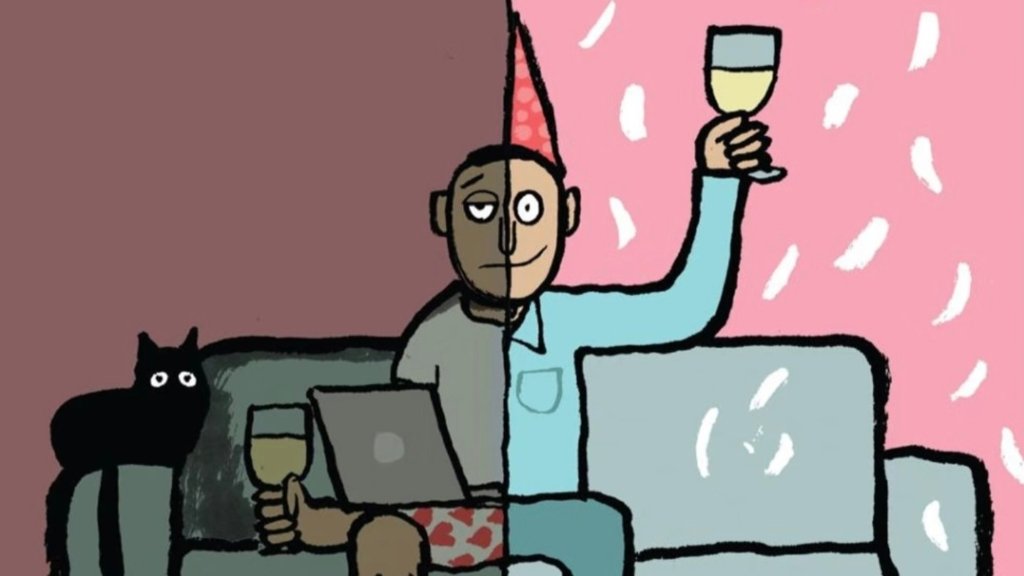
We can begin with a simple observation: it’s typically a lot worse to be on our own on a Saturday than on a Monday night, and a lot worse to be alone over the festive period than to be alone at the end of the tax year.
首先,我们简单做一项观察:一般来说,独自度过周六夜晚比独自度过周一晚上要难受得多,同样,独自过节比独自度过纳税年年底的那段日子感觉更糟。
The physical reality and the length of time we’re by ourselves may be identical, but the feeling that comes with being so is entirely different.
我们独自度过的物理现实与时间长度可能是相同的,但两种情况下的感受是完全不同的。
This apparently small observation holds out a clue for a substantial solution to loneliness.
这个小小的结论为我们摆脱孤独提供了一个可靠的线索。
The difference between the Saturday and the Monday night comes down to the contrast between what being alone appears to mean on the two respective dates.
周六夜晚与周一夜晚的区别在于在这两天的晚上独处分别意味着什么。
On a Monday night, our own company feels like it brings no judgement in its wake.
在周一晚上,独身一人日后说起也令人无可指摘。
It doesn’t in any way depart from the norms of respectable society.
也不会违背文明社会准则。
It’s what’s expected of decent people at the start of a busy week: we get back from work, make some soup, catch up on the post, do some emails, and order a few groceries without any sense of being unusual or cursed.
这是体面正派的人在一周伊始应有的样子:我们下班回家,煲个汤,收发信件,处理一些邮件,订购一些杂货,不带一丝异常感或不适感。
The next day, when a colleague asks us what we got up to, we can relate the truth without any hot prickles of shame.
翌日,若有同事问起我们那晚干了些什么,我们可以很坦然地说出事实。
It was, after all, just a Monday night.
毕竟,那是周一晚上。
But Saturday night finds us in a far more perilous psychological zone: we scan our phone for any sign of a last-minute invitation, flick through the channels in an impatient and disconsolate haze, are alive to our own tragedy as we eat tuna from a can, take a long bath at 8:30pm to try to numb the discomfort inside with scalding heat on the outside, and as we prepare to turn out the light just after ten, the high-spirited cries of revellers walking by our house seem to convey a targeted tone of mockery and pity.
但是,周六晚上会让我们陷入心理危险区:我们一遍又一遍地翻看手机,希望在下一秒就收到邀请;我们在烦躁与忧郁中快速浏览各个频道,清楚地意识到自己的悲剧,吃着金枪鱼罐头,从8点半开始花很长时间洗澡,试图用外部的热水麻木不安的内心。刚过10点,当我们准备熄灯入睡时,醉酒者兴致高昂的叫喊声从我们住宅外传来,我们似乎从中听出了嘲笑与怜悯。
From this, we conclude: being alone is bearable in relation to how “normal” that highly nebulous yet highly influential concept feels to us at any given point. It can either be a break from an honourably busy life or sure evidence that we are an unwanted, wretched, disgusting, and emotionally diseased being. This is tricky but ultimately very hopeful, for it suggests that if only we could work on what being alone means to us, we could theoretically end up as comfortable in our own skin on a long summer Saturday night as on the dreariest Monday in November.
综上,我们可以得出以下结论:孤独是可以忍受的,这取决于“正常”这一高度模糊却又至关重要的概念。孤独既可以是我们从体面忙碌生活中的一种休息,也可以证明我们是一个不被需要的、可怜的、令人厌恶的、心理有疾病的人。这很难办,但最终总是很有希望的,因为这表明只要我们能够搞清楚孤独对我们意味着什么,从理论上说,最终无论我们是在夏季漫长的周六夜晚,还是在11月份最闷的周一,我们都可以等同视之,泰然处之。
We could spend the whole holiday season by ourselves feeling as relaxed and as unself-conscious as we did when we were a child and hung out for days by ourselves, tinkering with a project in the floor of our bedroom, with no thought in the world that anyone would as a result think us sad or shameful. We may not, after all, need a new companion, something which can be hard to find in a panic. We just need a new mindset, which we can take care of by ourselves starting right now.
我们可以如小时候那般轻松自在、无忧无虑地度过整个假期,自己独身出去疯玩几天,坐在卧室里鼓捣一个项目,而完全不会认为世上会有人因此认为我们悲伤或者可耻。毕竟,我们并不需要新伴侣,惊恐之下也很难找到新伴侣,我们只是需要一个新的思维方式,而这个我们可以从现在起独自照料自己。
To build ourselves a new mental model of what being alone should truly mean, we might rehearse a few of the following arguments: Our solitude is willed. Despite what an unfriendly voice inside our heads might tell us, we are the ones who have chosen to be alone. We could, had we so wanted, been in all sorts of company. Our solitude is – though it may not feel like it – willed rather than imposed. No one ever needs to be alone so long as they don’t mind who they are with.
为了给自己培养新的思维模式,重新塑造独处的意义,我们可以排演以下一些论点:我们的孤独是心甘情愿的。尽管我们的大脑里会有不和谐的声音告诉我们,我们是一群被世界拒绝的人,但事实上,我们是选择了孤独。若我们愿意,我们可以拥有如云的宾客。我们的孤独完全是出于自愿而非他人强迫,虽然感觉并不如此。只要不介意身边陪伴的人是谁,人们就不会是孤独的。
But we do mind, and we have some very good reasons to do so. The wrong kind of company is a great deal lonelier for us than being by ourselves because it’s further from what matters to us and is more grating in its insincerity, more of a reminder of disconnection and misunderstanding than is the conversation we can have in the quiet of our own minds. It’s not that we have been rejected by the world; it’s that we’ve taken a good look at the available options and, with wisdom, done some rejecting ourselves.
但我们确实介意,而且我们有很好的理由这么做。不合适的伴侣只会让我们比自己独处时更加孤独,因为这种不真诚更突出,更像是在放大我们的形单影只与所遭受的误解,而不是我们在安静时产生的对话。我们并不是被世界拒绝,而是仔细评估了手中拥有的选择,并且在深思熟虑后主动拒绝了一些选择。
Beware the outward signs of companionship. It seems, from a distance, as if everyone is having an ecstatic time. The party we imagine in our darkest moments to be the unitary joyous social event from which we’ve been blocked grips our imaginations. We’ve passed restaurants and seen groups leaning back on their chairs, laughing uproariously, couples holding hands, families packing up for glorious holidays abroad. We know the depths of fun that they are all having. But we need to hold on to what we recognise in our sober moments as a more complicated reality: there is naturally going to be alienation at the restaurant, bitterness in the couples, and despair on the sunny island hotels.
警惕外部友谊的信号。在旁观者看来,好似人人都在狂欢,我们所想象的聚会是一场将我们排除在外的欢乐的社会性活动,禁锢了我们的想象。我们路过餐馆,看到一群人靠在凳背上肆无忌惮地大笑,看到夫妻们手牵手,一家人收拾行囊去国外度假,我们知道他们会有多快乐,但我们必须谨记,在清醒时分看到的是一个更复杂的现实:在餐馆里吃饭的人中自然也有相互疏远的,夫妻间也有苦楚,晴朗的海岛酒店也有阴霾。
We picture intimacy and communion, deep understanding, and the most sophisticated varieties of kindness. We are sure that “everyone” is having precisely what we understand by true love. But they are not. They will for the most part be together but still alone, talking but largely not heard. Isolation and grief are not unique to us; they are a fundamental part of the human experience, trailing every member of our species whether in couples or alone.
我们构画出的亲密和共融、深入交流以及各种最世故的友善,其实并不存在。我们很确定每个人都有我们所想的真爱方面的东西,但事实并非如此。他们大多数时间都在一起,但他们仍然很孤独,虽然他们嘴上说个不停,但却没人听。孤独与悲伤并不是我们独有的,它们是人类经历的基本部分,存在于我们人类中的每一员,无论我们是成群结队还是孤身一人。
We’ve chosen to experience the pains of existence by ourselves for now, but having a partner has never protected anyone from the void for very long. We should take care to drown our own individual sorrows in the ocean of a redemptive and darkly funny universal pessimism. No one is particularly enjoying the journey, which is not built that way. As we should never have allowed ourselves to forget in front of the steamed-up windows of restaurants, life simply is suffering for most of us for most of the time. We get statistics wrong and compound our errors by being the most hopeless statisticians. We should pin a notice to our kitchen wall reminding us of just this fact. We say that “everyone” is happy and “everyone” is in a couple, but we haven’t taken the first steps towards properly evaluating what’s actually going on in a factual sense. We are letting self-disgust, not mathematics, decide our vision of “normality.”
总体而言,人生是一件可憎且令人焦虑的事,我们选择体验当前独自生存带来的痛苦,但拥有一个伴侣从来不会长久地免除一个人的虚空。我们应当当心不要让自己的个人悲伤陷入一种救赎性的、富含黑色幽默的普遍悲观主义。没人会尤其享受这段旅程,生活就是磨难,对大多数的我们来说,大多数时候都是如此。我们得到错误的数据,加重我们的错误,我们是最无能的统计学家。我们应当在厨房的墙上挂个通知,提醒我们这一事实:我们说人人都是开心幸福的,人人都是成双成对的,但我们还没有迈出正确评估实际情况的第一步。我们让自我厌恶,而不是计算,左右了我们对“正常”的认知。
If we really surveyed the question and grew wings to examine the city, swooping in on bedrooms, offices, families in the park, and couples on dates, we’d see something altogether different: millions of others like us and far worse. This one is crying over a letter, that one shouting they’ve had enough, this one complaining they can’t be understood, that one weeping in the bathroom over an argument.
如果我们真正地调研过这个问题,如果我们能生出两翼,飞向高处,巡视这个城市,飞奔进这里的卧室、那里的办公室,那些在公园里游玩的家庭,那边约会的情侣,我们以一种全新的视角看待这一切,可以看到数百万同我们相似的人,这些人可能比我们还要糟糕:这个人因为一封信嚎啕大哭,那个人大叫着他们受够了,这个人抱怨无人理解他们,那个人因为一场争论在浴室悲伤流泪。
It is regrettable enough to be sad; we don’t need to compound the misery by telling ourselves through an absurd misunderstanding of statistics that it is abnormal to be so. There is nothing shameful in what we’re doing. Our images of being alone too often lack dignity. We need better role models. Those on their own aren’t always the cobwebbed, hunched figures of our nightmares. Some of the greatest people who have ever lived have chosen, for a variety of noble reasons, to spend a lot of time by themselves. For our own self-compassion, we need to keep the difference between enforced and willed solitude firmly in consciousness.
伤心本就很可悲,我们就不要再拿着认为上述行为反常的荒唐数据来加重这份痛苦。我们的行为没什么可耻的地方,我们对孤独的印象往往缺乏体面尊严,我们需要更好的行为榜样。那些孤独的人并不总是像我们噩梦中那样住在蛛网遍布的地方、身形佝偻。一些有史以来最伟大的人出于很多高尚的理由,选择大量的时间独处。要让自己好过点,我们需要牢牢地记住自愿孤独和强制孤独之间的区别。
Here is a world-renowned scientist spending twenty years on their own to finish a book that will change everything. Here is one of the most beautiful people nature has yet produced, alone in their room, playing the piano. Here is a politician who once led the nation, now preferring their own company. Those who are by themselves don’t comprise only the desperate cases; they number many of those one would feel most privileged to meet.
这是一位举世闻名的科学家,他独自生活了20年,完成了一本可以改变世界的书。这是迄今为止最漂亮的一位女人,独自在房间里弹奏钢琴。这是一位曾经领导过一个民族的政治家,如今他只愿一人独处。这些独处的人中,没有一个是伤心绝望的,他们这些人只要能见到一个,那也是三生有幸。
Understand your past. The sense of shame you might be experiencing at being in your own company is coming from somewhere very particular: your own childhood, and in particular, an unlovable vision of yourself that you picked up in the early years. Somewhere in the past, someone left you feeling unworthy, and now, whenever you suffer a reversal, the story is ready to re-emerge, confirming what you think is a fundamental truth about you: that you don’t deserve to exist. It’s not essentially that you’re afraid of being lonely; it’s that you don’t like yourself very much. For which the cure is immense sympathy and psychotherapeutic understanding, but not, it seems, the company of a partner you no longer care for or respect.
理解你的过去。孑然一身给你带来的羞耻感来自于非常特殊的地方:你的童年,尤其是童年某一个时刻,你认为自己不招人喜欢,那是你在早年形成的观念。过去某个时间,有人让你觉得你不值得被爱,而如今,每当你遭受一次挫折,这个故事就重新浮现在脑海中,一次次验证你的想法——你对自己的认知就是基本的事实:你不配活在这个世上。其实,你并不是害怕孤独,而是你并不喜欢自己。因此,治愈自己的方法是巨大的同情和心理疗法般的理解,而不是你不再关心和敬重的伴侣的陪伴。
Once we can like ourselves more, we won’t need to be so scared of friendship with ourselves. We will know that others aren’t laughing at us cruelly and that there is no delightful party we’ve been barred from. We’ll appreciate that we can be both on our own and a fully dignified, legitimate member of the human race. We’ll have conquered the terror of loneliness — and therefore at last be in a position to assess our options correctly and choose freely whether to stay in or leave any relationship we might be in.
一旦我们喜欢自己多一点,我们便不再需要担心我们所拥有的友谊。我们将知道,别人并没有恶意地嘲笑我们,我们也没有被排除在某个愉快的小团体之外。我们将感谢我们既能成为独立自主的人,又能成为一个完全有尊严、合法的人。我们将克服对孤独的恐惧,最终能够正确评估自己所做的选择,可以自己随心选择继续一段关系,或是放弃一段关系。


