
聪明人讨厌社交的7个原因7 Reasons Why IntelligentPeople Hate Socializin
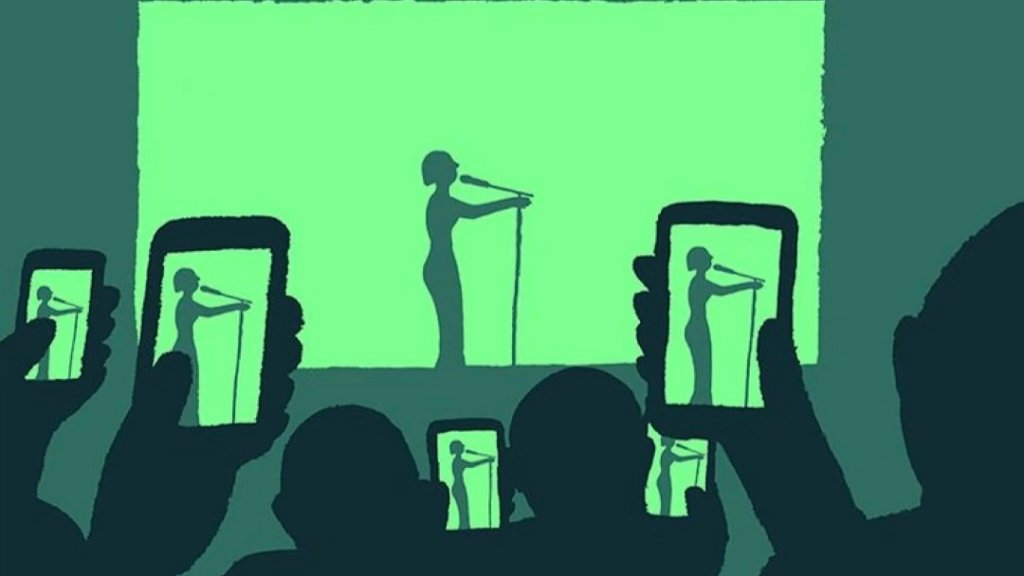
They value quality over quantity in their relationships, and most importantly, they understand that being alone isn’t lonely, it’s actually quite liberating.
他们在人际关系中重视质量而非数量,最重要的是,他们明白独处并不意味着孤独,实际上这相当自由。
7 Reasons Why Intelligent People Hate Socializing
聪明人讨厌社交的7个原因
Some people love socializing. They thrive in big crowds, enjoy mindless chit-chat, and can effortlessly navigate the maze of social norms like it’s a game they were born to play. Then there are those who look at the idea of socializing and think, “Do I have to?” If this sounds like you, you might just be too smart for your own social life.
有些人热爱社交。他们在人群中如鱼得水,享受毫无意义的闲聊,并且能毫不费力地遵循社交规范的复杂规则,就好像这是一场他们生来就会玩的游戏。而还有一些人一想到社交就会想:“我非得去吗?”如果你有这种想法,那可能是因为你太聪明了,以至于不适合你现有的社交生活。
Now, this has nothing to do with being anti-social or thinking you’re better than everyone else. It’s just that some people find socializing exhausting, unnecessary, or even downright annoying. And turns out intelligence has a lot to do with it, so let’s break it down.
现在,这与反社会或者认为自己比别人优越毫无关系。只是有些人觉得社交很累人、没有必要,甚至非常讨厌。事实证明,这与智力有很大关系,所以让我们来分析一下。
Here are seven reasons why intelligent people would rather spend their time doing other things.
以下是聪明人宁愿把时间花在做其他事情上的七个原因。
- To them, small talk feels like mental junk food.
- 对他们来说,闲聊就像精神垃圾食品。
Have you ever been trapped in a conversation where someone is talking, talking about the weather for way too long, or worse, gossiping about some influencer’s latest scandal like it’s breaking news? If you’re an intelligent person, this kind of conversation probably makes you want to chew off your own arm just to escape. Smart people crave depth. They want to discuss ideas, philosophies, existential crises, the meaning of life and death, and even why people insist on talking about the weather when we all have access to a weather app.
你有没有被困在一场谈话中,有人没完没了地谈论天气,或者更糟糕的是,像在说突发新闻一样八卦某个网红的最新丑闻?如果你是个聪明人,这种谈话可能会让你恨不得咬断自己的胳膊来摆脱。聪明人渴望深度。他们想讨论思想、哲学、生存危机、生死的意义,甚至想探讨为什么当我们都能使用天气应用程序时,人们还坚持谈论天气。
The truth is, most social situations require small talk. It’s the default way people connect. But for intelligent individuals, it’s more like a slow, agonizing death of brain cells. So they tend to avoid it as much as possible.
事实上,大多数社交场合都需要闲聊。这是人们建立联系的默认方式。但对聪明人来说,这更像是脑细胞缓慢而痛苦的死亡过程。所以他们往往尽可能避免闲聊。
- They see through social masks.
- 他们能看穿社交面具。
Ever been at a party and watch someone fake a laugh at a joke that wasn’t even remotely funny? Yeah, intelligent folks see through that nonsense instantly. A lot of social interactions are performances. People exaggerate their reactions, laugh when they don’t want to, agree with things that they don’t believe, and pretend to like people they don’t actually like. It’s all part of the game.
你有没有在派对上看到有人对一个一点都不好笑的笑话假笑?是的,聪明人能立刻看穿这种无意义的行为。很多社交互动都是一种表演。人们夸大自己的反应,不想笑的时候也笑,赞同自己并不相信的事情,假装喜欢自己实际上并不喜欢的人。这都是游戏的一部分。
But for the intelligent, this game is exhausting. They value authenticity, and when they see someone putting on a social mask, like faking enthusiasm, sugar-coating their words, or playing along with unwritten social scripts, it feels disingenuous. So instead of participating, they just sit back, observe, and internally cringe at the social gymnastics happening around them. Of course, this isn’t to say they never engage in polite conversation, but they do it sparingly, usually when there’s a clear purpose. Otherwise they’d rather just not bother.
但对聪明人来说,这个游戏很累人。他们重视真实,当他们看到有人戴上社交面具,比如假装热情、粉饰言辞,或者按照不成文的社交剧本行事时,会觉得很不真诚。所以他们不会参与其中,而是袖手旁观,观察着周围的社交表演,并在内心感到不舒服。当然,这并不是说他们从不进行礼貌的交谈,但他们会有节制地这么做,通常是在有明确目的的时候。否则,他们宁愿不去费这个劲。
- They have different priorities.
- 他们有不同的优先事项。
Here’s the thing, when most people view socializing as entertainment, intelligent people see it as an obligation. And if something feels like an obligation, it’s probably not their idea of fun.
事情是这样的,当大多数人把社交视为一种娱乐时,聪明人却把它看作一种义务。如果某件事感觉像是一种义务,那它很可能不是他们所认为的乐趣。
While others are out at brunch discussing the latest reality TV drama, intelligent individuals are at home reading, researching, writing, creating, or doing some kind of learning activity. They’d rather spend their time diving into a passion project or getting lost in a fascinating rabbit hole than making forced conversation. While they have no trouble mingling when they weigh it against what they could be doing instead, socializing rarely wins.
当其他人出去吃早午餐并讨论最新的真人秀剧情时,聪明人却在家里阅读、研究、写作、创作,或者进行某种学习活动。他们宁愿把时间花在深入钻研一个自己热爱的项目上,或者沉浸在一个迷人的知识领域中,也不愿进行勉强的交谈。虽然他们在社交时没有什么问题,但当他们把社交与自己本可以做的其他事情相比较时,社交很少会胜出。
- They often feel like outsiders.
- 他们常常觉得自己像局外人。
You ever feel like you’re speaking a different language, even when you’re using the same words as everyone else? That’s how intelligent people often feel in social settings. Their thoughts don’t always align with mainstream thinking. They tend to see patterns others don’t, question things most people accept as a given, and have perspectives that might seem weird, unconventional to the average person.
你有没有过这样的感觉,即使你和其他人用的是同样的词语,却好像在说不同的语言?这就是聪明人在社交场合中常常有的感觉。他们的想法并不总是与主流思想一致。他们往往能看到别人看不到的模式,会质疑大多数人认为理所当然的事情,并且他们的观点在普通人看来可能很奇怪、不传统。
This makes it hard for them to relate to others or for others to relate to them. It’s not a matter of thinking they’re above socializing, but they often feel like an alien trying to fit in among humans. And after a while they realize that forcing themselves to blend in isn’t worth the effort.
这使得他们很难与他人产生共鸣,或者让别人理解他们。这并不是说他们认为自己高于社交,而是他们常常觉得自己像一个试图融入人类的外星人。过了一段时间,他们意识到强迫自己融入并不值得。
- Crowded spaces and overstimulation are overwhelming.
- 拥挤的空间和过度的刺激让人难以承受。
If you’ve ever felt mentally fried after a night out, you know exactly what this is about. Social events, especially big ones, are full of stimuli. Multiple conversations happening at once, loud music, flashing lights, constant movement. For some people, this is exhilarating. For the intelligent, it’s more like chaos.
如果你曾经在外出一晚后感到精神疲惫,你就会明白这是怎么回事。社交活动,尤其是大型活动,充满了各种刺激因素。同时进行着多场对话、嘈杂的音乐、闪烁的灯光、持续的人员走动。对一些人来说,这很令人兴奋。但对聪明人来说,这更像是一片混乱。
Their brains are wired to pick up on details and process information deeply, so when they’re thrown into an environment with too much happening, like an overclocked computer about to crash, instead of feeling energized, they feel drained, overstimulated, and in desperate need of some quiet. That’s why many of them avoid social gatherings altogether. It’s not that they hate people, it’s just that their brain prefers calm, controlled environments where they can actually think.
他们的大脑天生就会注意到细节并深入处理信息,所以当他们置身于一个发生太多事情的环境中时,就像一台即将崩溃的超频运行的电脑,他们不会感到精力充沛,而是会感到疲惫、过度刺激,迫切需要一些安静的环境。这就是为什么他们中的许多人完全避免参加社交聚会。这并不是说他们讨厌人,只是他们的大脑更喜欢平静、可控的环境,在那里他们才能真正地思考。
- They simply don’t care about social hierarchies for a lot of people.
- 他们根本不在乎很多人的社交等级制度。
Socializing isn’t just about hanging out, it’s about positioning. Who’s important, who’s got influence? Who’s climbing the invisible social ladder? But none of that matters for intelligent people. They don’t see the point in networking for status or carefully curating friendships based on clout.
社交不仅仅是出去玩,还关乎地位。谁重要,谁有影响力?谁在攀登无形的社交阶梯?但这些对聪明人来说都不重要。他们看不到为了地位而建立人脉或者根据影响力精心挑选朋友的意义。
They aren’t interested in being part of the in-crowd or making sure they sit at the right table. Instead, they prioritize meaningful interactions and genuine relationships over social maneuvering. This can make them seem indifferent or even detached in social settings where everyone is subtly competing for attention. But the truth is, they’re not playing the game because they never signed up for it in the first place. They don’t care about being liked or noticed by everyone, and they measure success by their own standards, what they create, what they learn, and how they grow. Social hierarchies, they’re just background noise to people who have bigger things to focus on.
他们对成为圈内人或者确保自己坐在合适的位置上不感兴趣。相反,他们把有意义的互动和真诚的关系看得比社交手段更重要。在每个人都在暗暗争夺注意力的社交场合中,这可能会让他们显得冷漠甚至疏离。但事实是,他们不参与这个游戏,因为他们一开始就没有报名参加。他们不在乎是否被所有人喜欢或注意到,他们用自己的标准来衡量成功,比如他们创造了什么,学到了什么,以及自己是如何成长的。对于那些有更重要的事情要关注的人来说,社交等级制度只是背景噪音。
- They’re wired for independence.
- 他们天生独立。
Let’s be real, a lot of socializing is about group dynamics, fitting in, going along with the crowd, finding common ground, but intelligent people don’t like to be herded. They think independently, they form their own opinions, they don’t feel the need to agree with others just to keep the peace.
说真的,很多社交活动都关乎群体动态、融入群体、随大流、找到共同点,但聪明人不喜欢被人牵着走。他们独立思考,形成自己的观点,不觉得有必要为了维持和平而附和别人。
And they certainly don’t need social validation to feel good about themselves. This can make traditional socializing feel like a trap when people are expected to conform, compromise, or follow unwritten rules just to get along, intelligent individuals instinctively resist. They’d rather be alone than feel restricted by social expectations.
而且他们当然不需要社交认可来让自己感觉良好。当人们被期望为了和睦相处而顺从、妥协或者遵守不成文的规则时,传统的社交活动对聪明人来说就像是一个陷阱,他们会本能地抗拒。他们宁愿独处也不愿被社交期望所束缚。
To sum it up, intelligent people don’t hate people. They just hate the less exhausting, overstimulating, and often pointless aspects of socializing. That doesn’t mean they’re incapable of it, they just do it on their own terms. They prefer one-on-one conversations with depth over loud group outings. They value quality over quantity in their relationships, and most importantly, they understand that being alone isn’t lonely, it’s actually quite liberating.
总而言之,聪明人并不讨厌人。他们只是讨厌社交中那些更累人、过度刺激且常常毫无意义的方面。这并不意味着他们不会社交,他们只是按照自己的方式来。他们更喜欢有深度的一对一交谈,而不是喧闹的群体外出活动。他们在人际关系中重视质量而非数量,最重要的是,他们明白独处并不意味着孤独,实际上这相当自由。


