
中学生家长生存指南A Parent’s Guide to Surviving Middle School
About the Author: Russell Shaw is the head of school at Georgetown Day School in Washington, D.C.
关于作者:罗素·肖是华盛顿特区乔治城日间学校的校长。
Middle school is typically seen as something to be endured, a necessary if unfortunate way station on the road to adulthood.
初中通常被视为一种必须忍受的阶段,是孩子通向成年的一段必要却不太愉快的过渡期。
Middle school gets a bad rap—probably because many of us carry our own painful memories from that tumultuous time. (I know I do.) Metamorphosis is never easy, and early adolescence is a time of rapid and staggering change—second only to infancy.
初中往往名声不好——这可能是因为我们大多数人都带着自己那段动荡时光的痛苦记忆。(我也不例外。)蜕变从来不容易,早期的青春期更是变化迅速且令人目眩的时期——仅次于婴儿期。
Middle schoolers undergo a transformation that’s physical, cognitive, and social. Physically, their bodies are growing at unpredictable rates, leading to some clumsy moments—spilling drinks or tripping over their own feet because they haven’t quite adjusted to their longer limbs. Cognitively, they’re transitioning from concrete to abstract thinking.
初中生正经历着身体、认知和社交的三重转变。从身体上看,他们的身体以不可预测的速度在成长,导致一些笨拙的时刻——比如洒饮料或因为还没适应变长的四肢而绊倒自己。认知上,他们正在从具体思维过渡到抽象思维。
In English class, some students might read Animal Farm as an allegory for Stalinism, while others see it as a story about talking animals. Socially, they are hyperaware of their place in a group and are constantly trying on new identities as a result.
在英语课上,一些学生可能会把《动物庄园》视为斯大林主义的寓言,而另一些则把它当作是讲述会说话的动物的故事。社交上,他们对自己在群体中的位置高度敏感,并因此不断尝试新的身份。
In the same hallway, you might see a student who looks 9 walking next to one who looks 19. One carries a cartoon lunchbox; the other is shaving. This period of change can be disorienting for kids and their parents. One moment, your child wants to curl up on your lap, and the next, they’re slamming the door, shouting, “You don’t know anything!”
在同一走廊上,你可能会看到一个看起来像9岁的学生和一个看起来像19岁的学生并肩走。一个拿着卡通午餐盒,另一个却正在刮胡子。这个变化的时期对孩子们和家长来说都可能是让人迷茫的。有时候,孩子还想蜷缩在你的怀里,而下一刻,他们却狠狠关上门,喊道:“你什么都不懂!”
Although the middle-school years—typically ages 11 to 14—have always been challenging, they have gotten more so. Middle schoolers are now contending with phones and social media, which have taken the already complex social dynamics of this age group and introduced a volatile cocktail of public scorekeeping in the form of “likes” and comments, blurred lines between what’s private and public, and an expansive and sometimes treacherous terrain lacking adult oversight—all without fully developed frontal lobes.
虽然初中阶段——通常是11到14岁——从来都是充满挑战的,但现在更加如此。如今,初中生要面对手机和社交媒体的挑战,这些让这个年龄段已经复杂的社交动态变得更加不可预测,尤其是“点赞”和评论的公开评判、私人和公开界限模糊的情况,还有缺乏成人监管的广阔且有时危险的社交空间——这一切发生在他们的前额叶尚未完全发育的情况下。
Add in an upsurge in adolescent anxiety and depression, and the degree of difficulty is not for the faint of heart.
再加上青少年焦虑和抑郁的上升,挑战的难度可不是心脏脆弱的人能轻松应对的。
So, what is a parent to do? My own three children are now young adults, but I can easily conjure up the disequilibrium of their middle-school years. Drawing on my decades working with middle-school students, my own parenting experience, and contemporary research, I’ve gathered 10 practical tips for today’s middle-school parent.
那么,家长该怎么办呢?我的三个孩子现在已经是年轻人,但我依然能清楚地回忆起他们初中时期的困惑。结合我几十年与初中生工作的经验、自己的育儿经历以及当代研究成果,我总结了10条适用于今天初中家长的实用建议。
There’s No Such Thing as Normal.
没有所谓的“正常”。
Adolescent development is neither linear nor predictable. Every child follows their own timeline—physically, emotionally, and intellectually. They can’t help this. Middle schoolers have been described as popcorn kernels. They’ll pop eventually—it’s just hard to know when. And they are acutely conscious of the ways in which they are ahead—or behind. Boys who hit puberty early tend to be more self-confident. Girls, the opposite. Regardless, remember that your child is spending a lot of time wondering if they are “normal.” A vital part of a parent’s job is to help them to feel like they are. To this end, avoid comparing your child’s growth with that of their peers or even their siblings.
青少年的发展既非线性,也难以预测。每个孩子都有自己的发展时间表——无论是身体、情感还是智力方面。他们无法控制这一点。初中生常被形容为爆米花粒,最终会“爆开”,但何时爆开却很难预测。他们也非常清楚自己在某些方面是领先还是落后。早熟的男孩往往更加自信,而女孩则通常相反。无论如何,要记住,孩子们花费了大量时间在想自己是否“正常”。家长的重要职责之一,就是帮助他们感受到自己是正常的。为此,避免将孩子的成长与同龄人甚至兄弟姐妹做比较。
They’ll do this on their own. Instead, reassure them: “You’re exactly as tall as you’re supposed to be right now.”
孩子们自己会这样做。相反,安慰他们:“你现在的身高正好是你该有的高度。”
Don’t Get on the Roller Coaster.
不要跟着情绪过山车走。
Middle school is full of highs and lows. One day is thrilling, the next a catastrophe. Friends are devoted one moment, distant the next. An adolescent often wonders why the world seems to be conspiring against them. If parents aren’t careful, they can find themselves riding these emotional ups and downs alongside their child. This can be the result of watching one’s child struggle or the awakening of long-buried injuries from one’s own middle-school years. Regardless, parents are most helpful to their children when they resist the pull of the roller coaster. A parent’s job is to stay on the ground, providing stability and perspective when the ride slows down. As I’ve previously written, parents should be like a lighthouse—steady and reliable.
初中充满了高潮与低谷。一天可能令人兴奋,接下来却可能是一场灾难。朋友们一会儿是亲密无间,下一刻又变得疏远。青少年常常会感到,为什么世界似乎总是与他们作对。如果家长不小心,他们可能会发现自己也在与孩子一起经历这些情绪的起伏。这种情况可能是因为看到孩子在挣扎,或者是自己早年初中时期的创伤被唤醒了。无论如何,当父母能抗拒情绪过山车的诱惑时,他们对孩子的帮助才最大。家长的职责是保持冷静,站稳脚跟,在情绪逐渐平稳时提供稳定性和视角。正如我以前写过的,父母应该像灯塔一样——稳定而可靠。
Anchor With Routines.
用规律来稳固生活。
My 17-year-old daughter does her homework at the dining-room table. At 9 p.m., my wife or I deliver her six chicken nuggets, a second dinner that she welcomes when she’s hitting her evening stride. She loves not having to ask for them.
我的17岁女儿在餐桌上做作业。晚上9点,我或我的妻子会给她送去六个鸡块,这是她在晚上精力充沛时的第二顿晚餐,她很喜欢不需要自己去请求这些。
Routines offer a much-needed sense of predictability in an unpredictable world. These don’t have to be elaborate. A consistent family meal, a daily check-in about school, or reading together on Sunday mornings can ground a young person when the rest of their life feels profoundly in flux. Knowing what to expect—at least some of the time—is a source of stability and comfort. Teens can bridle against routine in the moment. But these practices often become more important over time, and they can be grounding for everyone.
规律为这个充满不确定性的世界提供了急需的可预测感。这些规律不必复杂。一个稳定的家庭晚餐、一日一问的学校情况回顾,或者周日上午一起阅读,都能在生活其他方面感到动荡时,给年轻人带来稳固感。知道什么时候能预期到什么——至少在某些时候——是一种稳定和安慰的来源。青少年可能会在当下反感规律,但这些习惯往往随着时间的推移变得越来越重要,并且能为每个人提供稳定感。
Remember That They Are Watching You.
记住,他们在观察你。
We are models for our children, whether we like it or not. They notice our every move. Our actions, even more than our words, shape who they’ll become. It is worth asking Who am I when I am with my children? Do I treat people with respect, even if I disagree with them? Do I run stop signs? Do I berate waiters if they screw up my order? Do I answer texts during dinner? Parents who speak critically about their children’s classmates—or their teachers, their coaches, or other parents—have kids who learn to be judgmental. Parents who are kind and empathetic are much more likely to have kind and empathetic kids themselves. Part of adolescence is finding fault with one’s parents—this is inevitable. Yet we don’t need to hasten this with our own bad behavior. Adolescents are quick to spot hypocrisy—if they see inconsistency in what we say and do, we risk losing their trust.
无论我们愿不愿意,我们都是孩子们的榜样。他们注意到我们的每一个举动。我们的行为,甚至比我们的言语更能塑造他们未来的模样。值得问问自己:我和孩子们在一起时,我是什么样的人?即使我不同意别人,我是否依然尊重他们?我是否闯红灯?如果服务员搞错了我的订单,我是否会斥责他们?我在吃饭时会回复短信吗?那些在孩子面前批评孩子同学、老师、教练或其他家长的父母,他们的孩子往往会变得很挑剔。而那些友善且富有同情心的父母,更可能养育出友善且富有同情心的孩子。青春期的一部分就是挑剔父母——这是不可避免的。然而,我们不需要通过自己的不良行为加速这一过程。青少年对虚伪非常敏感——如果他们发现我们言行不一致,就有可能失去他们的信任。
Challenge the “Everyone Else” Myth.
挑战“别人都可以”的迷思。
When your child says “But everyone else is allowed to sleep with their phone,” remember, “everyone” may in fact be one person. Or zero people. Don’t abandon your principles based on your child’s assertion of other families’ norms. Even if your child really is the last one allowed to do something that their friends are already doing, stand by your values, and trust that you’re making the right decision for your child.
当你的孩子说“但是大家都可以带手机睡觉”时,记住,“大家”实际上可能只是一个人,或者根本没有人。不要因为孩子提到其他家庭的规范就放弃你的原则。即使你的孩子真的是最后一个还不能做他们朋友已经做的事,坚守你的价值观,相信你正在为孩子做出正确的决定。
More Limits Online, More Freedom IRL.
网络上更多限制,现实生活中更多自由。
One of the great mysteries of modern parenting is why so many parents have radically restricted their children’s freedom in the physical world while giving them free rein in the virtual one. Our kids spend too much time staring at screens. (According to recent research cited by The New York Times, today’s average adolescent will eventually spend 17 years of their life online.) It makes them less physically fit, more anxious, less focused, more isolated. Slowing down their exposure to technology is one of the best things you can do for their long-term well-being. Send them outside instead.
现代育儿中的一个大谜题是,为什么这么多父母在现实世界中极大地限制了孩子的自由,却在虚拟世界中放任自流。我们的孩子花太多时间盯着屏幕看。(根据《纽约时报》引用的最新研究,如今的普通青少年最终会在网上度过17年时光。)这让他们的身体素质变差,焦虑增加,注意力不集中,更加孤立。减少他们接触科技的时间,是你能为他们的长期健康做的最好的事情之一。反而可以鼓励他们多去户外活动。
Don’t Interview for Pain.
不要主动询问痛苦。
If your child is having a hard time with their friends, don’t ask “So did they do anything mean today?” Instead, interview for competence and resilience. Ask “What’s something great that happened today?” If they do bring you a concern, ask neutral questions that neither escalate nor minimize it. Be responsive rather than leading. This means not proactively probing for emotional injuries—but rather reinforcing that you trust your child to navigate day-to-day difficulties, and that you are there to listen.
如果你的孩子在与朋友相处时遇到困难,不要问“今天他们做了什么坏事吗?”而是要询问他们的能力和韧性。可以问“今天发生了什么好事?”如果他们真的向你诉说了担忧,问一些中立的问题,既不要激化也不要轻视问题。要做一个反应型的倾听者,而不是引导者。这意味着不要主动探询情感上的创伤,而是要强化你对孩子应对日常困难的信任,并且让他们知道你在这里倾听。
Befriend Your School.
与学校建立良好关系。
A teacher will never know a student in the same way as their parent, who has years of history with their child. Educators do, however, have a distinct advantage when it comes to understanding a young person. A veteran eighth-grade teacher has spent time with thousands of 14-year-olds.
老师永远无法像家长那样了解学生,毕竟家长与孩子有着多年的共处历史。然而,教育工作者在理解年轻人方面确实有独特的优势。一位经验丰富的八年级老师已经和成千上万的14岁孩子共度时光。
They know what they’ll find funny, what will energize them, what can help put them at ease. And they know what’s in the range of normal behavior. If your child is struggling, reaching out to the school can help put these struggles in context. Ideally, home and school can collaborate on a path forward, one that draws on the unique insights that each party brings. Parents may not always realize that it is particularly important to communicate with the school when there’s been a disruption at home—a sick relative, a family trauma, a lost job. Schools can be better partners to parents, and can better support children, when they have more information.
他们知道什么会让学生觉得好笑,什么能激励他们,什么能帮助他们放松。而且,他们也知道什么行为是正常范围内的。如果你的孩子正在遇到困难,联系学校有助于将这些问题放在更大的背景中看待。理想情况下,家庭和学校可以共同合作,制定前进的道路,充分利用每一方的独特见解。当家里发生了变化——比如亲人生病、家庭创伤、失业等——家长可能没有意识到与学校沟通尤其重要。当学校掌握更多信息时,能够更好地与家长合作,并且能更好地支持孩子。
The home-school partnership is strengthened when both parties assume good intent, and take the time to check things out before leaping to conclusions. One of my favorite lines to share with parents is: “If you believe half of what they tell you about us, we’ll believe half of what they tell us about you.” Adolescents are wonderful. And they’re not always reliable reporters. When my daughter was in eighth grade, I came to check on her after dinner. “Would you mind picking up the wet towel on your floor?” I asked. As I left her room, I heard her get back on the phone with her friend. “Sorry,” she said. “My dad was just screaming at me.”
家庭和学校的合作关系在双方都假设对方有良好意图,并且在做出结论之前花时间核实情况时,会得到增强。我最喜欢和家长们分享的一句话是:“如果你相信他们告诉你关于我们的事情的一半,那我们也会相信他们告诉我们关于你的事情的一半。”青少年是非常棒的,但他们并不总是可靠的“记者”。当我女儿上八年级时,我晚饭后去她的房间查看情况。“你能把地上的湿毛巾捡起来吗?”我问。当我离开她的房间时,我听见她重新拿起电话和朋友说话。“抱歉,”她说,“我爸刚才在对我大吼。”
Adolescents are prone to hyperbole. Or, as I sometimes lovingly tell an upset parent who wonders if I know what happened in sixth grade today: “No, and neither do you.”
青少年容易夸张。有时,我会带着爱心对那些忧虑自己孩子发生了什么的家长说:“不,我不知道,您也不知道。”
Don’t Go It Alone.
不要独自承担。
Keep in touch with other parents, who can provide moral support, wisdom, and much-needed perspective. The group WhatsApp may be overwhelming and sometimes absurd, but other parents are a crucial source of information. They can tell you whether that party is actually chaperoned, or what’s needed for the upcoming field trip. Your child will also benefit from having a range of adults in their life. They certainly learn from the way they watch their friends’ parents interact with their friends. And they themselves will form important bonds with other parents, especially those they’ve known throughout their childhood. Sometimes, the parent of one of their friends can provide a listening ear when your child isn’t ready to talk to you. You may prefer to be your child’s confidant of choice, but knowing that your child may seek counsel from another trusted adult is typically preferable to them seeking it from their peers.
与其他家长保持联系,他们可以提供精神上的支持、智慧和急需的视角。群组里的WhatsApp消息可能会让人不堪重负,有时甚至荒谬,但其他家长是重要的信息来源。他们可以告诉你那个聚会是否真的有成人陪伴,或者即将到来的校外活动需要准备什么。你的孩子也会从生活中从多位成年人那里受益。他们当然会通过观察朋友的父母与朋友互动的方式学习。而且,他们自己也会与其他家长建立重要的联系,特别是那些他们从小就认识的家长。有时,他们朋友的父母可以在孩子还没准备好与你沟通时,提供一个倾听的耳朵。你可能更希望自己成为孩子首选的知己,但知道孩子可能会向其他可信赖的成年人寻求建议,通常比他们向同龄人寻求帮助更为可取。
Enjoy Your Middle Schooler.
享受和初中生的时光。
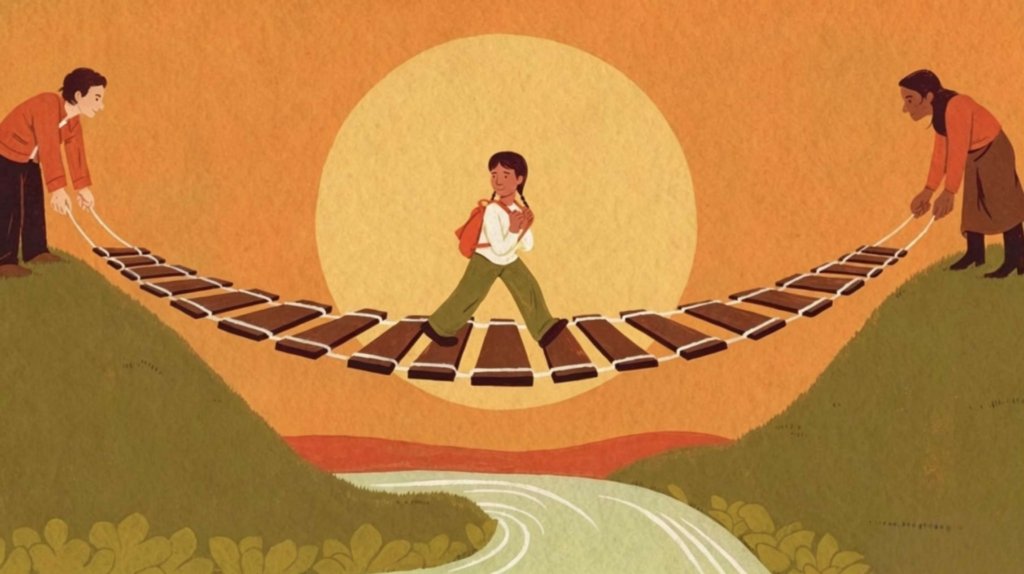
While they are sometimes maddening, middle schoolers can also be delightful. They are often funny, earnest, and passionate. If you maintain your sense of humor and perspective, you’ll be able to enjoy a remarkable stage of human development. Embrace this time—they’ll be cool high schoolers before you know it. Parenting a middle schooler is a balancing act. You have to be able to provide stability and safety while allowing them the space to figure things out on their own. No parent is able to heed all of the above advice all of the time (myself included). Still, if you can stay grounded, keep perspective, and remember that no phase lasts forever, you’ll find plenty of joy along the way.
虽然他们有时令人抓狂,但初中生也可以很讨人喜欢。他们常常风趣、真诚且充满激情。如果你保持幽默感和视角,就能享受人类发展中这一非凡的阶段。拥抱这段时光——不知不觉中他们就会成为酷高中生。养育初中生是一种平衡艺术。你必须能在提供稳定和安全的同时,给予他们独立思考的空间。没有家长能始终遵循以上所有建议(我自己也包括在内)。不过,如果你能保持踏实、保持视角,并记住没有哪个阶段是永恒的,你就会在这一路上发现许多乐趣。


