
你为什么不善于表达感受Why do you struggle to express how you truly feel
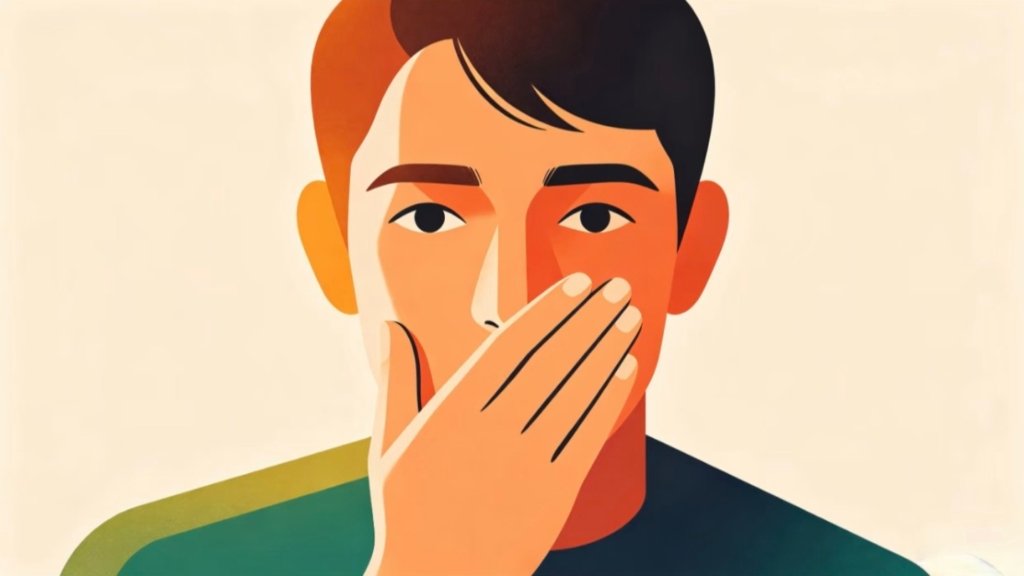
Expressing feelings is an innate human ability, yet it is gradually obscured as we grow up. Many people can describe events clearly but cannot articulate their emotions accurately.
表达感受是人类与生俱来的能力,却在成长过程中被层层遮蔽。很多人能清晰描述事件,却无法准确说出自己的情绪。
Research from the Harvard Emotion and Social Interaction Lab found that about 60% of adults have varying degrees of emotional expression disorders, which are closely related to long-term social and cultural discipline.
哈佛大学情绪与社会互动实验室研究发现,约60%的成年人存在不同程度的情绪表达障碍,这与长期的社会文化规训密切相关。
The original book Nonviolent Communication points out that mainstream culture generally advocates “strength” and “forbearance”, equating emotional outpouring with weakness, which is the core root of expression disorders.
《非暴力沟通》原著指出,主流文化普遍推崇”坚强”与”隐忍”,将情绪外露等同于软弱,这是表达障碍的核心根源。
This cultural discipline has obvious gender differences. Men are indoctrinated with the idea that “men do not cry easily” from childhood, and suppressing emotions becomes a symbol of gender identity.
这种文化规训存在明显的性别差异。男性从小被灌输”男儿有泪不轻弹”的观念,压抑情绪成为一种性别身份的象征。
Although women are allowed to express some emotions, excessive expression will still be labeled as “emotional” or “irrational”, and they also face boundary restrictions on expression.
女性虽然被允许表达部分情绪,但过度表达仍会被贴上”情绪化”、”不理性”的标签,同样面临表达的边界限制。
In addition to cultural factors, fear of vulnerability is another major obstacle. People worry that exposing their hearts will put them at a disadvantage and be exploited or hurt by others.
除了文化因素,对脆弱的恐惧是另一大阻碍。人们担心袒露内心会让自己处于劣势,被他人利用或伤害。
Our language habits also exacerbate this problem. Most people are better at evaluating others and events than describing their own inner experiences.
我们的语言习惯也加剧了这一问题。大多数人更擅长评价他人和事件,而非描述自己的内心体验。
Childhood experiences also have a profound impact. If expressing feelings was always ignored, denied or criticized in childhood, people will subconsciously close the emotional expression channel in adulthood.
童年经历同样影响深远。如果小时候表达感受总是被忽视、否定或批评,成年后就会下意识地关闭情绪表达通道。
To improve this situation, first learn to distinguish between feelings and thoughts. “I feel ignored” is a feeling, while “You don’t care about me at all” is a thought.
要改善这一状况,首先要学会区分感受和想法。”我觉得被忽视了”是感受,”你根本不在乎我”是想法。
Build your own vocabulary of feelings. Expand from basic words like “happy” and “sad” to more precise expressions like “relieved”, “disappointed” and “anxious”.
建立自己的感受词汇库。从”开心”、”难过”等基础词汇,扩展到”欣慰”、”失落”、”焦虑”等更精准的表达。
Start practicing with small things. Spend a few minutes every day recording your emotions and try to express them to someone you trust using the sentence pattern “I feel··· because···”.
从小事开始练习。每天花几分钟记录自己的情绪,尝试用”我感到···因为···”的句式向信任的人表达。
Accept your own vulnerability. Expressing feelings is not weakness, but a manifestation of sincerity and courage, and also the foundation for building deep interpersonal relationships.
接纳自己的脆弱。表达感受不是软弱,而是真诚和勇气的体现,也是建立深度人际关系的基础。


