
彻底毁掉你人生的最快方式The Fastest Way to Ruin Your Entire Life
Every trivial choice you make today, every lazy evasion you indulge in, is quietly shaping the life you will have tomorrow.
你今天做出的每一个微不足道的选择,每一次纵容自己的逃避与懈怠,都在悄悄塑造着你明天的人生模样。
Here’s another quick tutorial on how to ruin the rest of your life—not with grand mistakes, but with tiny, repeated habits that chip away at your potential, your relationships, and your sense of self-worth little by little.
那么,这是一份关于如何毁掉你余生的速成指南——毁掉人生的从不是惊天动地的错误,而是那些微小却反复的习惯,它们一点点侵蚀着你的潜力、你的人际关系,以及你对自我价值的认知。
Step One: Mastering closed body language
第一步:精通封闭的肢体语言
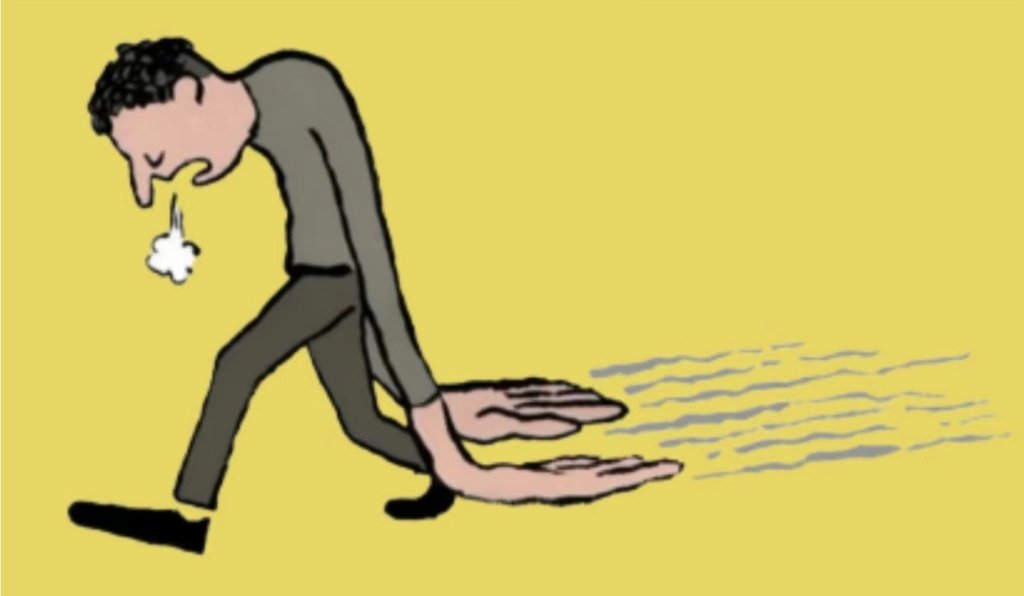
Go through life with a closed body language—slouch your shoulders, keep your head down, don’t make eye contact, and don’t give anybody the impression that you’re someone they can talk to or someone they can trust. Appearing socially unreceptive will reduce the number of friends you make and keep spontaneous human interaction to a minimum, which is great now. Hopefully, everyone can just get out of your way and leave you alone.
用一种封闭的姿态面对生活——含胸驼背、低头垂目、回避眼神交流,绝不给任何人留下“你是个可沟通、可信赖的人”的印象。表现出“社交拒斥”的状态,会大幅减少你交到朋友的几率,把偶然的人际互动降到最低,这可太“棒”了。要是每个人都对你避之不及、放任不管,那就最“完美”了。
But in the long run, this closed-off posture will trap you in a cycle of loneliness: you push others away, then complain that no one understands you, and gradually lose the ability to connect with the world.
但长期来看,这种封闭的姿态会把你困在孤独的循环里:你推开别人,然后抱怨无人理解,最终慢慢丧失与世界建立联结的能力。
Step Two: Phone as a shield
第二步:把手机当成挡箭牌
Check your phone when in doubt. Even if you don’t know why, always look occupied so you don’t have to interact with anybody you’re not comfortable interacting with. It could be awkward or unpredictable, so don’t risk it. Do it so often that you genuinely forget how people are supposed to interact, further solidifying this automatic behavior. What you’re avoiding is not just awkward conversations, but the opportunity to practice empathy, communication, and vulnerability—skills that are essential for a meaningful life.
一旦感到不舒服,就赶紧摸出手机。哪怕你根本不知道自己在刷些什么,也要永远装出一副忙碌的样子,这样就能躲开那些让你不适的社交。社交本就尴尬又充满变数,犯不着去冒这个险。频繁地用手机当挡箭牌,直到你真的忘了人与人之间该如何交流,彻底把这种逃避变成下意识的肌肉记忆。你逃避的从来不是尴尬的对话,而是练习共情、沟通与坦诚的机会——这些都是拥有有意义人生不可或缺的能力。
Step Three: Embrace tardiness
第三步:拥抱迟到
Be late, never be early for anything. Always tend to show up right on time or a few minutes late.
迟到吧,不管什么事,绝对别提前到。永远卡点现身,或者干脆晚个几分钟。
Don’t give anybody the impression that you’re prepared, diligent, or have decent time management skills. You don’t want to come across as too keen, plus being early is awkward. What if you have to talk with somebody you don’t really know? Like, what are you going to do—make a new friend? Tardiness is not just a sign of poor time management; it’s a silent declaration that you don’t value the other person’s time, and over time, it erodes trust and opportunities.
绝不要给任何人留下你准备充分、勤奋好学或时间观念强的印象。你可不想显得太积极,再说了,早到多尴尬啊。万一你得跟某个半生不熟的人聊两句怎么办?总不能当场交个新朋友吧?迟到从来不是简单的时间管理问题,它是一种无声的宣告——你不珍惜别人的时间,久而久之,也会慢慢消耗掉别人对你的信任,错失本该属于自己的机会。
Step Four: The art of excuses
第四步:找借口的艺术
When you do run late or make any kind of mistake in life, you should always make excuses and always have some sort of half-baked reason why you did a bad thing. Blame something or anything but never own up to your mistakes or try earnestly to correct them. Just cycle through a rotation of excuses and keep track of how recently you’ve used them. Every excuse you make is a missed chance to learn, to grow, and to become a more responsible person. Over time, you’ll convince yourself that you’re a victim of circumstances, not the master of your own life.
当你真的迟到了,或是在生活中犯了什么错时,一定要随时给自己找借口,对于自己搞砸的事情,必须准备好一套撇清关系的蹩脚理由。去怪某件事、怪任何东西,但绝不承认自己的错误,也绝不真诚地试着去弥补。你只需要把借口轮着用,记好最近用过哪几个就行。你说出口的每一个借口,都是一次错失成长、学会担当的机会。久而久之,你会彻底说服自己,你是环境的受害者,而非自己人生的掌控者。
Step Five: External locus of control
第五步:外控型人格
Develop an external locus of control and begin to actually believe that nothing is your fault. Choose to believe that everything in your life happens to you and nothing because of you and that you have no part to play in your misfortune. This mindset strips you of your power: you stop trying to change your situation, stop taking responsibility for your choices, and let life drift aimlessly. The truth is, even if you can’t control everything, you can always control how you respond – and that response is what defines your life.
培养一种“外控型”的心理,然后开始真心实意地相信:一切都不是你的错。选择去认定,你生活中的每一件事都是“被动遭遇”,没有一件事是你而起,你对自己身上的不幸毫无责任。这种心态会彻底剥夺你的力量:你不再尝试改变现状,不再为自己的选择负责,任由人生漫无目的地漂泊。而真相是,即便你无法控制所有事情,你也永远能控制自己的反应——正是这种反应,定义了你的人生。
Step Six: Steal the spotlight
第六步:永远抢风头
Always find a way to steer the conversation back to yourself. Whatever story you just heard isn’t as crazy as that thing that happened to you that one time. Never ask anybody how they’re doing and, if you do, out of courtesy, take the mic back as soon as possible. This self-centeredness makes you blind to the needs and feelings of others; you’ll never truly connect with anyone, because you’re always too busy talking about yourself.
永远想方设法把话题扯回自己身上。不管你刚听到了什么离谱的事,都绝比不上你某次亲身经历的哪件事疯狂。绝对不要去关心别人过得怎么样;即便出于客套问了,也要尽快把“麦克风”抢回自己手里。这种自我中心的心态,会让你无视别人的需求与感受;你永远无法与任何人建立真正的联结,因为你总是忙着谈论自己。
Step Seven: Detract and demean
第七步:贬低与抹黑
On the off chance that you’re not talking about yourself, make sure to talk about others in a negative light, especially if you can find someone else who shares your toxicity. Putting others down may make you feel superior temporarily, but it’s a sign of deep insecurity. When you spend your time criticizing others, you’re avoiding facing your own flaws and failures. Over time, this negativity will poison your mind, make you bitter, and push away everyone who cares about you.
万一你竟然没在谈论你自己,那就务必要把别人往坏了说,特别是如果你能找到一个跟你一样“有毒”的人一起吐槽,那就更“完美”了。贬低别人或许能让你暂时获得优越感,但这背后藏着的是深深的不安全感。当你把时间都花在指责别人身上时,你其实是在逃避自己的缺陷与失败。久而久之,这种负面情绪会侵蚀你的心智,让你变得刻薄,也会推开所有真正关心你的人。
Step Eight: Shape-shifting identity
第八步:变色龙般的人设
Say one thing, do another, and act one way in front of others and another way behind closed doors. This inconsistency erodes your self-integrity; you’ll never know who you truly are, because you’re always performing for others.
说一套做一套,人前一副面孔,关起门来又是另一副做派。这种言行不一的状态,会摧毁你的自我完整性;你永远不知道自己真正是谁,因为你总是在为别人表演。
Step Nine: Wishful thinking
第九步:痴心妄想
Never surrender yourself to the effort of planning or the humility of prayer; simply wish for things to be different. Wishful thinking is a form of self-deception: it makes you feel better temporarily, but it does nothing to change your reality. Dreams don’t come true through wishes—they come true through planning, effort, and persistence. When you replace action with wishful thinking, you’re condemning yourself to a life of regret and unfulfilled potential.
绝不去下苦功做规划,也绝不谦卑地去求索;就光是在脑子里空想着事情会发生转机。痴心妄想是一种自我欺骗:它能让你暂时获得心理安慰,却丝毫无法改变现实。梦想从来不是靠空想实现的——它需要规划、努力与坚持。当你用空想代替行动,就是在把自己推向充满遗憾、潜力无法兑现的人生。
Step Ten: Embrace weakness
第十步:拥抱软弱
Shrink regularly and participate in activities that steal your life; don’t engage in behaviors that make you feel strong. Weakness is not a fixed trait—it’s a choice to avoid discomfort and challenge.
习惯性地退缩,沉溺于那些消耗你生命的活动里;绝不去做任何能让你感到强大的事。软弱从来不是一种固定的特质——它是你选择逃避不适与挑战的结果。
When you live a life of pretense, you can never be truly happy or fulfilled—you’re constantly exhausted from keeping up with the masks you wear, and eventually, no one will trust the person you pretend to be.
当你活在伪装里,就永远无法获得真正的快乐与满足——你会为了维持各种面具而疲惫不堪,最终,没有人会相信你伪装出来的样子,也没有人会真正认识你。
Step Eleven: Embrace despair
第十一步:拥抱绝望
Despair—believe that you are unworthy of redemption, that somehow your flaws are unforgivable. Despair is not a sign of realism; it’s a choice to give up on yourself. No one is perfect, and every mistake, every flaw, is an opportunity to learn and grow. When you embrace despair, you close the door on all possibility—you convince yourself that you’re beyond saving, and in doing so, you rob yourself of the chance to heal, to change, and to live a meaningful life.
彻底绝望——深信自己不配得到救赎,认定自己的缺陷无论如何都不可饶恕。绝望从来不是现实的写照,而是你选择放弃自己的表现。没有人是完美的,每一次错误、每一个缺陷,都是一次学习与成长的机会。当你拥抱绝望,就是关上了所有可能的大门——你说服自己“无可救药”,也因此剥夺了自己治愈、改变、拥有有意义人生的机会。
Every time you shrink back, you give up a chance to grow stronger; every time you indulge in mindless, life-draining activities, you waste a piece of your precious time. Strength is built through struggle, and if you choose to embrace weakness, you’ll never know how capable you truly are.
每一次退缩,你都放弃了一次变得更强大的机会;每一次沉溺于无意义、耗生命的事情,你都浪费了自己宝贵的时间。强大是在挣扎中铸就的,如果你选择拥抱软弱,就永远不会知道自己真正有多厉害。
And there you have it, guys: 11 practical ways to ruin your entire life. It sounds funny, though—because none of these are irreversible. Every habit that chips away at your life can be unlearned; every choice that leads you down the wrong path can be reversed.
好了,朋友们,以上就是毁掉你人生的11个“实用”小妙招。听起来确实有点好笑——因为这些都不是不可逆转的。每一个消耗你人生的习惯,都可以被改掉;每一个带你走向歧途的选择,都可以被修正。
The question is not “what will you choose to ruin your life,” but “what will you choose to build it?” Your life is not defined by the mistakes you make, but by the choices you make to fix them, to grow, and to become the person you truly want to be.
真正的问题从来不是“你会选择用什么毁掉自己的人生”,而是“你会选择用什么去构建它”。定义你人生的,从来不是你犯过的错误,而是你选择如何去弥补错误、如何成长,以及如何成为那个你真正想成为的人。


