
当别人不尊重你时记住赫拉克勒斯效应 When others disrespect you remember the Hercules Effect
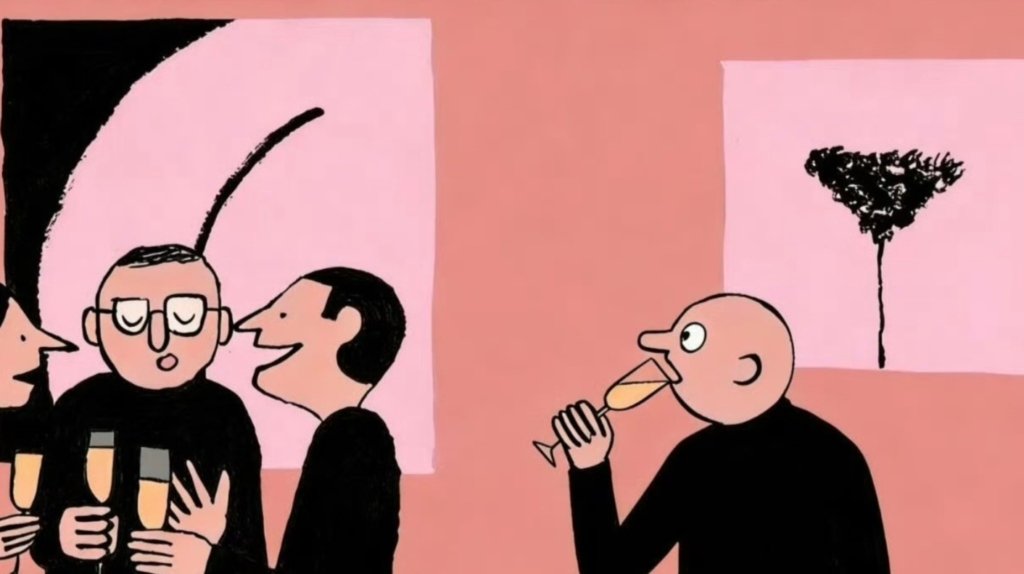
When others disrespect you, remember the Hercules Effect.
当别人不尊重你时,记住赫拉克勒斯效应。
When someone disrespects us, our most instinctive reaction is anger — we want to fire back immediately and “win” on the spot.
当有人冒犯我们时,最本能的反应就是愤怒 —— 我们总想立刻反击,当场 “赢” 回来。
But here’s what I want you to know: That reaction is exactly what gives them the upper hand. The more intensely you respond, the deeper you sink into a psychological trap that drains no one but yourself.
但我想让你明白:恰恰是这种反应,把主动权拱手相让。你回应得越激烈,就陷得越深,最终困在一个只会耗尽你自己的心理陷阱里。
In psychology, this trap has a name: the Hercules Effect. It describes how certain people project hostility and disrespect like a hook — dangled with one purpose only: to pull you down into a pit of negativity.
在心理学中,这个陷阱有一个专属名称:赫拉克勒斯效应。它描述了一类人如何将敌意与轻蔑化作鱼钩抛出 —— 抛出的目的只有一个:把你拖入负面情绪的深渊。
The moment you take the bait — the moment you get riled up and start arguing back — you’ve already lost. Because now you’re spending your time and your peace of mind playing a game they started, on their terms, designed from the beginning to cost you everything.
一旦你咬下诱饵、被激怒并开始反驳,你就已经输了。因为此刻,你正在用自己的时间与内心的平静,去玩一场由他们发起、按他们的规则运转、从一开始就注定让你满盘皆输的游戏。
When others disrespect you, remember the Hercules Effect.
当别人不尊重你时,记住大力神效应。
Respect is actually much easier to gain than I thought. Most people think you have to prove yourself, show your value, to earn respect. But those who truly command respect do something completely different: they’ve figured out a specific way of behaving that sends a clear, firm signal.
尊重其实远比我想象的更容易获得。大多数人以为,必须证明自己、彰显价值,才能换来他人的尊重。但那些真正能赢得尊重的人,做的是完全不同的事:他们摸索出了一套特定的行为方式,能传递出清晰而坚定的信号。
Psychologists have been studying it for decades. There’s a term for it: “non-defensive calm boundary holding.” Or better still, staying composed without justifying or over-explaining yourself.
心理学家已经对这个课题研究了数十年,并为它赋予了一个专业术语:非防御性冷静边界持守。说得更直白些,就是:不辩解、不过度解释,始终保持沉稳的姿态,守住自己的立场。
I’ve learned so much from psychologists on this human behavior. We’re all supposed to just figure it out. Respect is not reserved for the naturally charismatic. It’s a pattern. You can’t force respect, though. But people can feel psychologically compelled to give it.
在人类行为这个课题上,我从心理学家那里学到了太多。我们总以为尊重是靠自己悟出来的,但事实并非如此:尊重从来不是天生有魅力者的专属,而是一套可以习得的行为模式。你无法强迫别人尊重你,但你可以让他们在心理上自然而然地对你心生敬意。
It starts with the ability to stop competing for attention. And start owning it. That means you assume a “calm” composure.
这一切的起点,是停止争夺注意力,转而掌控注意力——也就是始终保持一种「沉稳」的姿态。
When others disrespect you,remember the Hercules Effect.
当他人不尊重你时,请记住海格力斯效应。
When you’re calm, you’re not given anything to argue with. You don’t give people something to react to. Calm doesn’t trigger a threat response. Researchers from the University of California, Berkeley found that when people experience what they called “low-arousal boundary setting,” their stress hormones decreased during the interaction.
当你保持冷静时,对方就找不到任何争辩的切入点,也没有可以反击的靶子。冷静不会触发对方的威胁应激反应。加州大学伯克利分校的研究人员发现,当人们以他们所称的「低唤醒度边界设定」与他人互动时,双方的压力激素水平都会在互动过程中下降。
The boundary-setter’s calm literally regulated the other person’s nervous system. They are then tempted to match the composure. That’s why calm boundary-setters experienced less pushback over time.
划定边界者的冷静,从生理层面直接调节了对方的神经系统,让对方不由自主地想要匹配这份沉稳。这也正是为什么,那些能冷静划定边界的人,随着时间推移会遭遇越来越少的反弹与抵触。
A calm boundary doesn’t trigger threat response. But our body language doesn’t just communicate to others. It communicates to ourselves. To complete the process, you have to physically calm too: open posture, steady breathing and relaxed facial muscles. That tells your brain, “I’m safe. I can handle this.” But calm boundaries are not so much about what you say. Words like “I need more time/space,” “I’m not available tonight,” are fine. What you do after is what changes and automatically commands respect.
冷静的边界不会触发威胁应激反应。但我们的肢体语言传递的信号,不只是给别人看的,同样也在对我们自己说话。要让这个过程完整,你的身体也必须真正放松下来:保持开放姿态、平稳呼吸、放松面部肌肉。这会向你的大脑传递信号:「我是安全的,我能应对这一切。」然而,冷静「边界」的核心并不在于你说了什么。「我需要多一点时间/空间」「我今晚没空」这类话本身没有问题,真正决定你能否赢得尊重的,是你说完之后的行动。
When others disrespect you,remember the Hercules Effect.
当他人不尊重你时,请记住海格力斯效应。
boundary, then immediately start undoing it. They try to justify themselves. Apologise for it. And even try to negotiate it.
很多人设定边界后,立即开始自我瓦解。他们试图自我辩解、为边界道歉,甚至还会讨价还价。
Now there are 3 parts to the “non-defensive calm boundary holding.”
「非防御性冷静边界持守」包含三个核心步骤。
Your words must be short. But not rude. “I’m not available for it right now.” That’s good enough. You don’t have to present a five-minute explanation of your schedule, your commitments, and why you really wish you could make it or be there. Short sends a “certainty” message.
第一,语言要简短,且不失礼貌。「我现在没空做这件事。」这句话就足够了。你不需要花五分钟解释自己的日程安排、承诺,也不必说明你本有多想成行或到场。言简意赅,传递的正是一种「笃定」的信号。
The tone has to be neutral. This is the hardest part, I think. You want to come across as nice. So you will try to emphasise. Or add more to prove you’re serious. But the sweet spot is right in the middle. You don’t need all the emotional tones.
第二,语气要保持中立。我认为这是最难做到的一环。你想让自己听起来友善,于是刻意加重语气,或是补充大量内容来证明自己的认真。但最佳分寸恰恰在于中间地带,你完全不需要掺杂任何情绪化的语调。
When others disrespect you,remember the Hercules Effect.
当他人不尊重你时,请记住海格力斯效应。
Don’t make it a negotiation. You are not being rude or inflexible. Just state your boundary with no loopholes.
第三,不要把边界变成谈判。你并非无礼,也不是固执己见,只需清晰表明自己的立场,不留任何可钻的漏洞。
“I can’t work late tonight, but maybe if you really need me, I could possibly…” You are undermining yourself. “I’m not available tonight. I can help you think through alternatives tomorrow morning.” In the second response, you are inviting a back-and-forth conversation. It closes a door while opening a different one. But even the second door is not up for debate.
「我今晚不能加班,但如果你真的需要我,也许我可以……」这样说,就是在自我拆台。换一种表达:「我今晚没空,明天早上我可以帮你一起想想替代方案。」第二种回应开启了对话空间,在关上一扇门的同时打开了另一扇,但即便这扇新门,也绝不容讨价还价。
All of these can help with getting respect. But people don’t practice them.
以上这些方法,都能帮你赢得尊重,可大多数人却从不付诸实践。
Calm boundaries can create tension. And tension feels like danger if you grew up being rewarded for being easy. Even if the cost is your self-respect. If you don’t know your own limits, forget getting respect from anyone.
冷静的边界会制造张力。如果你从小就因「好说话、好商量」而获得认可,这种张力就会让你如临大敌、不知所措,哪怕最终的代价是丧失自我尊严。如果你连自己的底线在哪里都不清楚,就别指望任何人会尊重你。
When others disrespect you,remember the Hercules Effect.
当他人不尊重你时,请记住海格力斯效应。
Of course, all this takes practice. And it’s not that simple. There are people in your life who won’t respond well, no matter how calm you hold a boundary. Some people are so used to you saying yes that any version of no feels like a personal attack.
当然,这一切都需要练习,也绝非易事。你生命中总有些人,无论你多么冷静地划定边界,都不会给出好的回应。有些人早已习惯了你永远说「好」,以至于任何形式的「不」,在他们眼中都像是人身攻击。
It will take time to change that. And if you grew up in a family where boundaries were seen as selfish or where you had to manage other people’s emotions to stay safe, this will feel scary. And terrifying. You will probably experience a genuine physiological stress response when you start practicing the “non-defensive calm boundary holding.”
改变这一切需要时间。如果你成长在一个将划界视为自私的家庭,或是从小就必须靠安抚他人情绪来换取安全感,那么这个过程会让你感到害怕,甚至恐惧。当你开始练习「非防御性冷静边界持守」时,很可能会出现真实的生理应激反应。
You are not being oversensitive. It’s your nervous system remembering that boundaries once came with real consequences. So if a “calm hold” feels impossible, it will take a lot of time to change that. Start small. Practice on low-stakes experiences. The subscriptions you don’t want or need. Cancelling on casual social invitations. Practice “calm” when nothing terrible will happen if it goes wrong.
这不是你太敏感,而是你的神经系统在记忆:它记得曾经划界会带来真实的代价。如果「冷静持守」对你来说遥不可及,改变它需要漫长的时间。从小处着手,在低风险的情境里练习:取消那些你不需要的订阅,婉拒无关紧要的社交邀约。在「就算搞砸了也没什么大不了」的场合,先练好这份冷静。
When others disrespect you,remember the Hercules Effect.
当他人不尊重你时,请记住海格力斯效应。
“The hardest thing about implementing boundaries is accepting that some people won’t like, understand, or agree with yours. Once you grow beyond pleasing others, setting your standards becomes easier. Not being liked by everyone is a small consequence when you consider the overall reward of healthier relationships,” says therapist and author Nedra Glover Tawwab.
治疗师兼作家内德拉·格洛弗·塔瓦布说:「践行边界最难的一点,是接受这个事实:有些人不会喜欢你的边界,也不会理解、认同它。一旦你超越了取悦他人的阶段,设定自己的标准就会变得容易。放眼健康关系带来的长远回报,不被所有人喜欢只是个微不足道的代价。」
Now, the respect part. People unconsciously look for signals about how to treat us. We rely heavily on “social proof” to make our next move. We take our cues about how to behave toward someone from how that person treats themselves.
再说回尊重。人们会在无意识中寻找信号,判断该如何对待我们。我们高度依赖「社会参照」来决定下一步的行动,而判断一个人该如何相处,往往看他如何对待自己。
When you set a calm boundary, it comes across as: “this is how I’m treated.” And most people, most of the time, will follow that lead.
当你冷静地划定边界时,传递出的信息就是:「这是我被对待的方式。」而绝大多数人,在大多数情况下,都会顺应这个信号。
You don’t have to raise your voice to be taken seriously. You don’t have to justify your limits to make them real. You just have to be willing to state what’s true for you and then, (this is the hard part) sit with the discomfort of letting that be okay. Most of the time, it is. People are just afraid it’s not.
想要被认真对待,不必提高嗓门;要让边界真的成立,也不必为自己的底线辩解。你只需要愿意说出对你真实的东西,然后(这才是最难的)坦然承受那份不适,接受事情就这样悬在那里的状态。大多数时候,其实是没问题的。人们只是害怕它会出问题。
When others disrespect you,remember the Hercules Effect.
当他人不尊重你时,请记住海格力斯效应。
Or they misinterpret as being rude. But the strange thing is, you earn respect by being your calm, respectful self. By being clear with who you are or what you want. Without apology or aggression.
别人或许会误解你的意图,甚至觉得你无礼。但奇妙的是,你恰恰是通过保持冷静、尊重的自我,清晰表达自己的身份与需求——不带歉意,也不带攻击性——来赢得尊重。
“People don’t know what you want. Your job is to make it clear. People instinctively recognize and respond to that. Some people still won’t like your boundaries. But you’ll start respecting yourself more. If you want to be respected by others, the great thing is to respect yourself. Only by that, only by self-respect will you compel others to respect you,” says Fyodor Dostoyevsky.
「别人不会知道你想要什么,你的职责就是把这一切说清楚。人们会本能地感知并回应这份清晰。依然有人不会接受你的边界,但你会因此更加尊重自己。若想赢得他人的尊重,最重要的是尊重自己。唯有如此,唯有自我尊重,才能令他人对你心生敬意。」——费奥多尔·陀思妥耶夫斯基
Calm holds are not mean, unkind, or selfish. A boundary isn’t a wall. It’s a door with a lock. You can still let people in. You just stop letting them barge in all the time. People push because they think there’s a hidden door. Your calm but confident response teaches them there is no hidden door.
冷静地持守边界,绝非刻薄、冷漠或自私。边界不是一堵墙,而是一扇装了锁的门。你依然可以让人走进来,只是不再任由他们随时闯入。人们之所以不断试探,是因为他们以为存在一扇暗门。而你冷静而笃定的回应,会让他们明白:根本没有暗门。
When others disrespect you,remember the Hercules Effect.
当他人不尊重你时,请记住海格力斯效应。
Words like, “No, I’m not doing that,” “That doesn’t work for me,” “I’m not available,” “I can’t commit to that,” “I’m not discussing this right now.” “If you keep speaking to me like that, I’m leaving,” are complete responses.
「不,我不会做那件事。」「这对我行不通。」「我没空。」「我无法承诺这件事。」「这个话题我现在不谈。」「如果你继续用这种方式和我说话,我就离开。」——这些,本身就是完整的回答。
Your “non-defensive holds” are the clarity you need to start commanding respect. When you say what you mean and follow through, you become socially “safe.” And predictable. Even if people don’t like your boundary, they trust your consistency. And trust creates respect.
你的「非防御性持守」,正是你开始赢得尊重所需要的那份清晰。当你言出必行,你在社交层面就会变得「安全」、变得可预期。就算有人不喜欢你的边界,他们也会信任你的一贯性。而信任,正是尊重的根基。
You also stop falling for guilt, urgency, or the confusion people use to get what they want. When you consistently “hold your calm,” those tools don’t work. So they stop using them.
你也会不再被罪恶感、紧迫感,或是那些用来操控你的混乱所左右。当你持续地「保持冷静」,这些手段便会失效,人们自然也就不再使用它们。
You don’t need to fake confidence to make people respect you. You just need to adjust a few small things. The way you hold a boundary. How you respond when someone interrupts. What you do with silence. People are withholding respect because you haven’t shown them where the line is.
你不需要伪装出一副自信的样子来赢得尊重。你只需要调整几个小小的细节:你持守边界的方式,当有人打断你时你如何回应,以及你如何对待沉默。人们之所以对你不够尊重,是因为你从未让他们看清你的底线在哪里。
When others disrespect you, remember the Hercules Effect.
当别人不尊重你时,记住海格力斯效应。
Start drawing the calm line. Hold your boundaries. They’ll respect it. And if they don’t? Well, that tells you something useful too. But whatever you do, try it. Say what you want or your response, like you’re stating a fact.
开始划出那条冷静的线吧,守住你的边界。他们会尊重它的。如果他们不呢?那本身也是一个有价值的信号。但无论如何,先去试试。像陈述一个事实一样,说出你的立场与回应。
purfiles.com » 当别人不尊重你时记住赫拉克勒斯效应 When others disrespect you remember the Hercules Effect


