
喜欢宅在家的人背后令人惊讶的心理学The Surprising Psychology Behind People Who Love Staying at Home
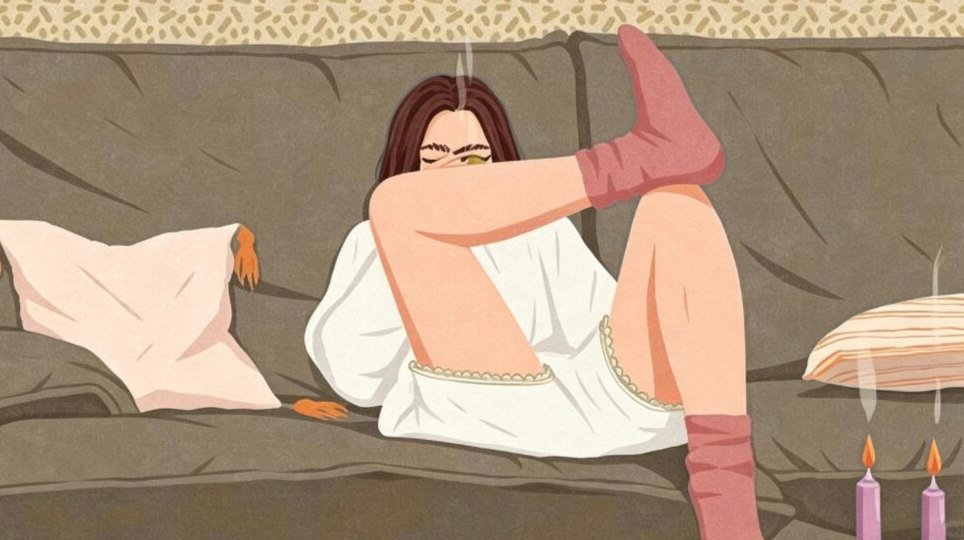
Everybody who truly loves to stay home on the weekends, rather than going out, knows the first rule of being a homebody: You don’t talk about how much you love being a homebody.
所有真正喜欢周末宅家而非外出的人,都懂宅家党的第一条准则:别念叨自己有多爱宅家。
In recent years, the majority of headlines about solitude have focused on those who seemingly have too much of it and are experiencing a loneliness epidemic.
近年来,大多数关于独处的新闻标题都聚焦于那些似乎独处过多,正遭遇孤独流行病的人。
Many people in modern culture, particularly since the COVID pandemic, do struggle with loneliness. But what can we learn from a certain subset of people who seemingly choose to be alone – and thrive on being so?
现代社会中很多人,尤其是新冠疫情以来,确实在与孤独作斗争。但从那些看似主动选择独处,且能在独处中过得充实的特定人群身上,我们能学到什么?
How healthy alone time can be good for us
健康的独处时光如何有益于我们
Psychologists are finally turning their attention to “homebodies”: people who feel better when they’re at home, in their own environments.
心理学家们终于开始关注“宅家党”:那些在自己熟悉的家中环境里会感觉更舒适的人。
Although their more extroverted and action-oriented friends and family members might worry that homebodies are lonely, shy, or otherwise fear leaving their home or engaging with others, researchers are now finding that many homebodies are none of those things.
尽管他们那些更外向、更爱行动的亲友可能会担心,宅家党们是孤独、害羞,或是出于某种原因害怕出门、不愿与人交往,但研究人员如今发现,很多宅家党其实完全不是这样。
People who prefer solitude or their home environment might, in fact, harbor some of the strongest mental health habits around.
事实上,偏爱独处或自家环境的人,或许拥有一些最健康的心理健康习惯。
These habits can include “strong self-awareness,” emotional independence, and a strong bent toward creativity.
这些习惯可能包括“强烈的自我认知”,情绪独立,以及浓厚的创造力倾向。
Strong self-awareness is defined as the ability to be alone with one’s thoughts and feelings and to examine them with honesty and understanding. This type of self-awareness has been shown to be a component in the development of emotional intelligence, which is defined as a “set of skills that help us recognize, understand, and manage our own emotions” as well as understanding the emotions of others.
强烈的自我认知被定义为能够独自面对自己的想法和感受,并以诚实和理解的态度审视它们。这种自我认知已被证实是情商发展的一个组成部分,而情商则被定义为“一组帮助我们识别、理解和管理自身情绪”以及理解他人情绪的技能。
In addition to having emotional intelligence, many homebodies also cultivate the skill of emotional independence. This means that they do not depend on other peoples’ or external reassurances that their lives have value. They often naturally, deeply believe in their own worth as an individual, and this can lead to better emotional stability.
除了具备情商,很多宅家党还培养了情绪独立的能力。这意味着他们不依赖他人或外界的认可来证明自己的人生有价值,往往会自然而然地深深相信自身的个体价值,而这有助于实现更稳定的情绪状态。
People who thrive on alone time also frequently state that they experience their most creative ideas and impulses during quiet times. Experiencing solitude in an intentional way often allows homebodies to mentally “wander” and think their most creative thoughts.
善于在独处中成长的人也常表示,自己最有创意的想法和灵感都出现在安静的时光里。有意识地享受独处,往往能让宅家党们在精神上“自由漫游”,迸发最具创造力的思考。
How healthy alone time can be good for others
健康的独处时光如何有益于他人
Learning how to love healthy solitude is not only good for individuals who practice such skills. It can also be good for larger groups of people.
学会享受健康的独处,不仅对践行这种生活方式的个人有益,也能给更广泛的群体带来积极影响。
Sometimes there is still a stigma attached to the desire to stay home rather than frequently going out with friends or relatives. But while it has been noted that people who love solitude do tend to have fewer relationships with others, those relationships often tend to be stronger, deeper ones. Or, as one writer described the people who value depth over number of friendships: “People who prize it[relationship depth] tend to be the friends who show up at 3 a.m. and remember your dog’s adoption date.”
想要宅家而非频繁与亲友外出的想法,有时仍会背负污名。但尽管有人指出,热爱独处的人往往拥有的人际关系较少,这些关系却通常更牢固,更深厚。或者就像一位作家对那些重交情深度而非数量的人的描述:“珍视交情深度的人,往往是那些凌晨3点会赶来帮忙,还能记得你家狗狗领养日期的朋友。”
Other researchers have found that people who love being in their home environments also tend to make them sanctuaries and places of safety for themselves and those they live with. That focus on the home and the private environment means that those who draw strength from solitude can also help others learn how to set and communicate healthy boundaries.
其他研究人员发现,喜欢待在自家环境中的人,也倾向于将家打造成自己和同住者的避风港与安全之地。这种对家庭和私人空间的重视,意味着那些从独处中汲取力量的人,也能帮助他人学会如何设定并表达健康的边界。
Anybody who has ever had to politely decline a friend’s or relative’s strident invitations or social expectations knows it is not easy to say no with kindness or grace. But doing so is a skill that can be developed. Learning how to stand up for one’s own needs can provide a powerful example to others that they, too, should be honest about their preferences and boundaries.
任何曾不得不礼貌拒绝亲友强硬邀约或社交期待的人都知道,友善又体面地说“不”并不容易。但这是一项可以培养的技能。学会为自己的需求发声,能给他人树立有力的榜样,让他们也敢于坦诚自己的偏好和边界。
Being home alone isn’t for everyone, but we can all learn from those who practice it best. Researchers also note that not everyone who likes to stay home does so because they enjoy solitude or are emotionally secure.
独自宅家并非适合所有人,但我们都能从那些深谙此道的人身上学到东西。研究人员还指出,并非所有喜欢宅家的人都是因为享受独处或情绪稳定。
Sometimes other, less healthy, reasons do conspire to keep us from going out with others. Sometimes we might feel social anxiety, or the fear of being judged or feeling that we don’t fit in.
有时,一些不太健康的因素会共同作用,让我们不愿外出与人交往。比如我们可能感到社交焦虑,或是害怕被评判,担心自己融入不进去。
Other times, being home alone can feel less like a choice and more like a condition imposed on us by a society that increasingly interacts through screens.
还有些时候,独自宅家更像是一种被动状态,而非主动选择,这是由一个越来越依赖屏幕互动的社会所强加给我们的。
But whether we love our solitude, or would like to get back to a better state of balance where we’re alone just enough but not too much, we can all learn positive traits from true homebodies.
但无论我们是热爱独处,还是希望回归一种更平衡的状态——独处恰到好处,不多不少,我们都能从真正的宅家党身上学到积极的品质。
Endeavor to know and like yourself as a person, search out ways to let your creativity flow, and strive to make any environment you are in a supportive, loving one. You may find yourself enjoying both your solitude and your social times more than you ever thought possible.
努力去了解并接纳自己,寻找能让创造力自由流淌的方式,尽力让你所处的任何环境都成为支持性、充满爱的地方。你或许会发现,自己对独处和社交时光的喜爱,远超以往的想象。
purfiles.com » 喜欢宅在家的人背后令人惊讶的心理学The Surprising Psychology Behind People Who Love Staying at Home


