
五个策略帮你记住80%的阅读内容Five Strategies to Help You Remember 80% of What You Read
Five Strategies to Help You Remember 80% of What You Read
Five Strategies to Help You Remember 80% of What You Read
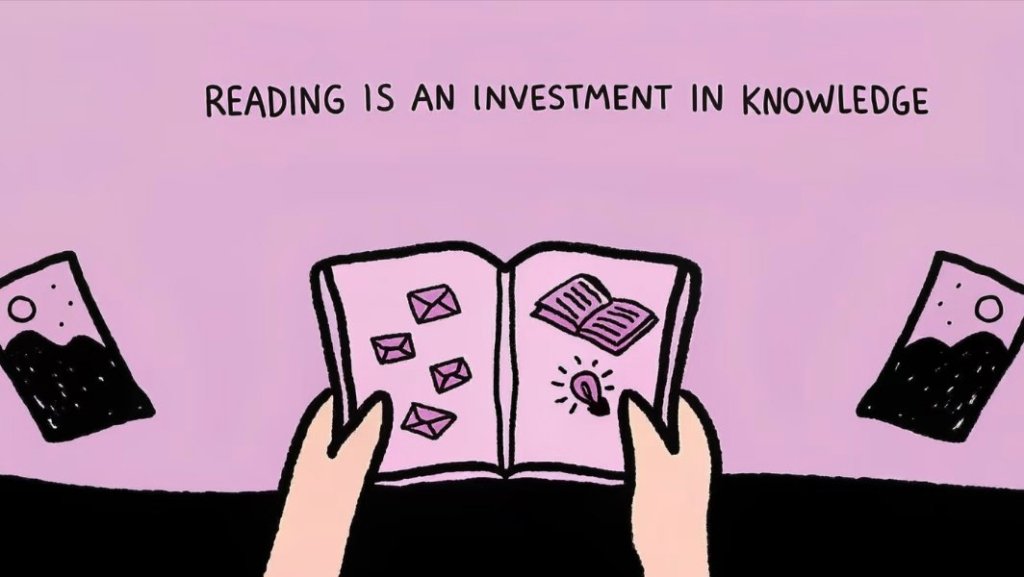
It happens all the time… You read an amazing book such as Outlive by Peter Attia or Atomic Habits by James Clear. But then when you try to have a conversation about the book with someone, you can’t seem to remember anything about it. You just spent a whole month reading this book and it turns out that what you thought was an investment in knowledge turned out to be mere entertainment. You start to think that maybe you just have a bad memory. But here’s the thing about memory: forgetting most of what you read is normal. Our brains are not designed to store everything. The problem is not with your memory; the problem is with how you approach reading.
这是不是很常见?你读了一本很棒的书,比如彼得·阿提亚的《Outlive》或詹姆斯·克利尔的《原子习惯》。但当你试图和别人聊起这本书时,却几乎想不起什么内容。你花了整整一个月看完这本书,本以为这是知识上的投资,结果却只是消遣。于是你开始怀疑,可能是自己记忆力太差。但事实是:忘记大部分阅读内容是正常的。大脑本来就不是为了存储一切而设计的。问题不在于记忆,而在于你对待阅读的方式。
Why We Forget Books
Memory works on repetition, association, and emotional impact. Most books don’t provide enough of any of these on their own.
为什么我们会忘记书中的内容
记忆依赖于重复、联想和情感冲击。但大多数书本身并不能满足这些条件。
The Solution: Active Reading
Active reading means engaging with the material instead of passively consuming it. Highlighting, note-taking, and summarizing in your own words force your brain to process the information more deeply. Visualization—turning concepts into mental images or stories—also helps.
解决方案:主动阅读
主动阅读意味着与内容互动,而不是被动接受。划重点、做笔记、用自己的话总结,能迫使大脑更深入地处理信息。把概念转化为画面或故事的“可视化”也非常有效。
Teach to Learn
One of the most effective ways to remember what you read is to teach it to someone else.
通过教来学
记住所读内容最有效的方法之一是教给别人。
When you explain a concept, you identify gaps in your understanding and reinforce what you know. Even pretending to teach —— by writing a summary for an imaginary audience —— can solidify the material.
当你解释一个概念时,不仅能发现自己理解的空白,还能强化已掌握的内容。即使是假装教学——比如写一篇面向假想读者的总结——也能让记忆更牢固。
Space It Out
The forgetting curve shows that memory decays rapidly unless reviewed. Spaced repetition is a proven method to combat this. Instead of rereading the whole book, review your notes briefly a day later, then a week later, then a month later. Each review strengthens the memory.
间隔复习
遗忘曲线表明,记忆如果不复习会很快衰退。间隔重复是一种经过验证的方法。与其重读整本书,不如在一天后、一个星期后、一个月后,简要回顾一下笔记。每次复习都能加固记忆。
Apply It
Knowledge sticks when it connects to real life.
应用所学
当知识与现实生活挂钩时才会牢固。
If you read a book about habits, choose one small habit to implement immediately. Application transforms abstract ideas into lived experience, making them far harder to forget.
如果读的是习惯相关的书,就立刻尝试养成一个小习惯。实践能把抽象的概念转化为真实体验,从而更难忘记。
Focus on Fewer Books
You don’t need to read 50 books a year to grow. It’s better to read fewer books deeply and actually integrate the lessons than to skim hundreds and remember nothing.
少读但精读
你不需要一年读50本书来成长。比起囫囵吞枣地看几百本,深度读几本并真正吸收要更有价值。
Reading is not about entertainment or speed; it’s about transformation.
阅读的意义不是娱乐或速度,而是转变。
The point of reading is to expand your thinking and change your actions. Books are tools for building a better life, but only if you engage with them actively.
它的目标是拓展思维、改变行动。书籍是通往更好生活的工具,但前提是你要主动与之互动。
If you struggle to remember what you read, it’s not because you’re bad at learning. You simply need a better system.
如果你发现自己记不住所读内容,并不是学习能力差,而是缺乏方法。
Practical System for Remembering More
- Preview before reading. Skim the table of contents and chapter summaries to create a mental framework. 阅读前先浏览目录和章节摘要,建立思维框架。
- Take brief notes. Jot down key ideas and questions in your own words. 简要记笔记,用自己的话写下关键点和问题。
- Visualize concepts. Turn abstract ideas into concrete mental images. 把抽象概念转化为具体画面。
- Summarize after each chapter. Write a few sentences capturing the essence. 每章结束后写几句话总结核心。
- Teach it. Share insights with a friend or write about them online. 把收获讲给朋友听,或写出来分享。
- Review with spaced repetition. Revisit your notes over days and weeks. 通过间隔复习定期回顾笔记。
- Apply one idea immediately. Anchor the knowledge in real life. 立即实践一个想法,把知识落实到生活中。
purfiles.com » 五个策略帮你记住80%的阅读内容Five Strategies to Help You Remember 80% of What You Read


