
过于友善的人所面临的问题the problem with over-friendly people
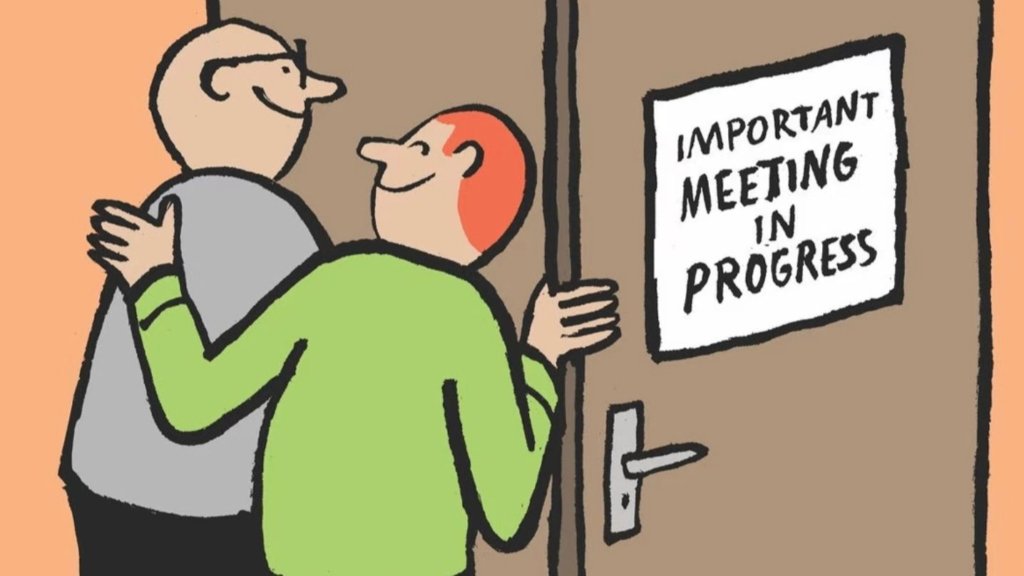
There’s a particularly poignant way one can be a social disaster: through over-friendliness. A pattern of behaviour driven by the very best of motives which ends up feeling as irritating as outright rudeness. We meet the over-friendly at the office, laughing at the jokes of the senior management; behind the desk at the hotel, wishing Sir or Madam a highly enjoyable stay and across the table on a first date, lavishly endorsing their would-be partner’s every opinion about recent books and films.
这是一种格外令人尴尬的社交灾难:过分友好。过分友好虽然出于最良善的动机,结果却像赤裸裸的粗鲁一样令人恼火。我们在办公室里遇到这种人,他们对着高管的笑话哈哈大笑;在酒店前台,他们祝先生或女士“入住愉快”;在第一次约会的餐桌对面,他们夸张地附和潜在伴侣对近期书籍和电影的所有观点。
The over-friendly are guilty of three large errors:
过度友好的人往往犯下三大错误:
Firstly, they believe they must agree on everything. If the other says the world is going to the dogs, they immediately nod in consent. If a second later, there’s a prediction of a utopian technological future, they’ll agree just as much. When we say something clever, they’re thrilled. When we say something equally daft, they like it no less. Their ritual approval may seem attentive. In truth, it’s a version of not listening at all.
第一,他们坚信自己必须事事赞同。如果对方说世界正走向衰败,他们立即点头称是;一转头又有人预言科技将带来乌托邦式的美好未来,他们同样连连附和。我们说一句机智的话,他们欣喜若狂;我们下一秒冒出同样愚蠢的念头,他们依旧照单全收。他们这套程式化的认可看似专注,实则等于什么都没听进去。
Secondly, their praise is ill-targeted. Plenty of nice things are being said, but they’re not the ones that we happen to value. They claim to love our umbrella, our credit card is from their favourite bank, our chairs are deeply beautiful, we apparently have a nice way of holding our fork… but none of this counts for us if it isn’t connected up with our own sense of meaning and achievement. Everyone loves being praised, but to be praised inaccurately is its own kind of insult.
第二,他们的赞美总是打偏靶心。好话一箩筐,却都不是我们真正在乎的东西。他们会夸我们的雨伞好看、信用卡来自他们“最喜欢的银行”、椅子“美极了”、拿叉子的姿势“真优雅”……可只要这些溢美之词没触到我们自己认定的意义与成就,就统统失效。人人都爱被称赞,但如果称赞得驴唇不对马嘴,反倒成了一种别样的冒犯。
Thirdly, their friendliness is remorselessly upbeat. They point out how well we look, how impressive our job sounds, how perfect our family life seems. They want to make us feel good, but they dangerously raise the cost of revealing any of the lonelier, darker, more melancholic aspects of our characters.
第三,他们一味“强行乐观”的友好。他们会连连称赞我们气色多好、工作听起来多厉害、家庭生活多美满。他们本想让我们开心,却无形中抬高了袒露孤独、阴暗或忧伤一面的代价,于是只好把孤独和苦涩都藏起来。
By contrast, the less ardently friendly and therefore properly pleasing person will keep three things closely in mind:
相反,恰到好处地让人喜欢、却不一味过分友好的人,首先会记住三件事:
Firstly, that disagreement isn’t necessarily or always terrible, that it may be exhilarating to be contradicted when we don’t feel that our dignity is at stake and that we’re learning something valuable at the hands of a combative interlocutor.
第一,分歧并不总是坏事;当我们不觉得尊严受威胁时,被人反驳反而可能令人兴奋——因为在一场针锋相对的对话里,我们往往能学到珍贵的东西。
Secondly, that people only want to be complimented on things that they are actively proud of. The value of the currency of praise depends entirely on it not being spent too freely and so the truly pleasing person knows they must pass over many things in discreet silence, so that when they eventually do bestow a blessing, their words can have a proper resonance.
第二,人们只想在自己真正引以为傲的事情上被称赞。赞美的价值取决于稀缺性;因此,真正让人喜欢的人懂得对大多数事情保持克制的沉默,只在关键处落下一语,让赞美发出应有的回响。
Thirdly, that we are cheered up not so much by people who say cheery things, as by people who appear to understand us, which usually means, sympathise with our sorrows and show willingness to travel with us to the anxious, hesitant or confused parts of our psyches.
第三,真正让我们感到宽慰的,并不是嘴上说开心话的人,而是真正理解我们的人,他们通常懂得同情我们的苦楚,并愿意陪我们走进内心那些焦虑、犹豫或困惑的角落。
What enables the pleasing person to please is their capacity to hold on in social encounters, even with rather intimidating and alien-seeming people, to an intimate knowledge of what satisfies them. They instinctively use their own experience as a base for thinking about the needs of others. By contrast, the over-friendly person allows themselves to forget their own likes and dislikes, under the pressure of an excessive humility which suggests to them that anyone impressive could not possibly share in the principles that drive their own psychology.
真正让人舒服的人之所以能够取悦他人,是因为即使在面对令人生畏、格格不入的对象时,他们仍能牢牢记得自己曾被怎样对待才会感到满足;他们本能地以自己的经验为基准,去揣摩他人的需求。反观那些过度友好的人,在一种夸张的谦卑驱使下,会把自己好恶全盘抛诸脑后,仿佛任何令人敬畏的人物都不可能与他们内心的原则产生共鸣。
At the core of the pleasing person’s charm is a metaphysical insight: that other people cannot, deep down, ever be very ‘other’ and therefore that, in core ways, what one knows about oneself will be the master-key to understanding and getting along with strangers; not in every case, but enough of the time to make the difference.
真正让人感到舒服的人,其魅力来自一条“形而上的洞见”:说到底,别人并不真的与我们完全不同。因此,我们对自己的了解,就是理解和亲近陌生人的万能钥匙。虽然并非次次奏效,但足以在大多数时候扭转局面。
Over-friendliness isn’t just a feature of one-to-one encounters; it’s an entrenched flaw within modern consumer society more generally. This explains why the airline exuberantly wishes us a perfect day upon landing in a new city, or why the waiter hopes we’ll have a truly wonderful time around the first course and why the attendant in a clothes shop pulls such a large smile along with their suggestion that we try on a new pair of trousers. Here too, the cause of an asphyxiating friendliness is a sudden modesty and loss of confidence around using oneself as a guide to the temperament and needs of a stranger.
过度友好并非只出现在一对一的场合,早已成为现代消费社会的痼疾。正因如此,飞机刚降落,空乘便热情洋溢地祝我们在陌生城市拥有完美的一天;服务员在第一道菜上桌时就希望我们“用餐愉快到极致”;服装店的导购在建议试穿新裤子时,嘴角几乎咧到耳根。在这些地方,令人窒息的友好背后,同样源于一种突如其来的谦逊:人们不再敢以自己的感受为坐标,去揣摩陌生人的脾性与需求。
Companies become over-impressed by the apparent ‘otherness’ of their clients and thereby overlook how many aspects of their own selves are being tramped upon in a service context. They sidestep the knowledge that just after landing back home after a trip abroad, we may feel horrified at the thought of our responsibilities in the family; or that moods of introversion and sadness can accompany us even inside a clothes boutiques. They behave as if they were cheerful Martians encountering broken, complex humans for the very first time.
商家被顾客表面上的“陌生”唬住,结果忽视了:在服务过程中,自己的真实感受也被践踏。故意不去想——刚结束长途旅行、拖着箱子回家的人,一想到家里堆积的责任就头皮发麻;即使走进光鲜的时装店,人也照样会陷入内向和低落。于是,这些商家摆出一副兴高采烈的火星人模样,仿佛第一次撞见脆弱复杂的人类,只会一味傻乐,却不懂对方真正的情绪和需求。
The fault of the excessively over-friendly person can, in the end, be traced back to a touching modesty: They are guilty of nothing more than a loss of confidence in the validity of their own experiences as a guide to the pleasure of others. The failure of the over-friendly types teaches us that in order to succeed at pleasing anyone, we must first accept the risk that we might well displease them through a candid expression of our being.
说到底,过度友好的毛病不过是一种令人动容的谦逊:他们只是一度失去了信心,不再相信自己的经验足以指引他人的愉悦。这些“过分友好”的人的失败提醒我们:如果想真正取悦任何人,就必须先接受一个风险——我们也许会因为坦率地做自己,而不小心冒犯别人。
Successful charm relies on an initial secure sense that we could survive social failure. Rehearsing how it would in the end be OK to make a hash of seducing someone is perhaps the best way to seduce them properly and confidently. We must reconcile ourselves to the risk of not making friends to stand any chance of actually making any.
真正迷人的前提是“我不怕失败”。先在心里演练“就算搞砸也死不了”,反而能让你更笃定、从容地去吸引别人。想交到朋友,就得先接受可能交不到的风险。


