
心怀善意的人终将被好运找到Goodness in heart will eventually be found by fortune
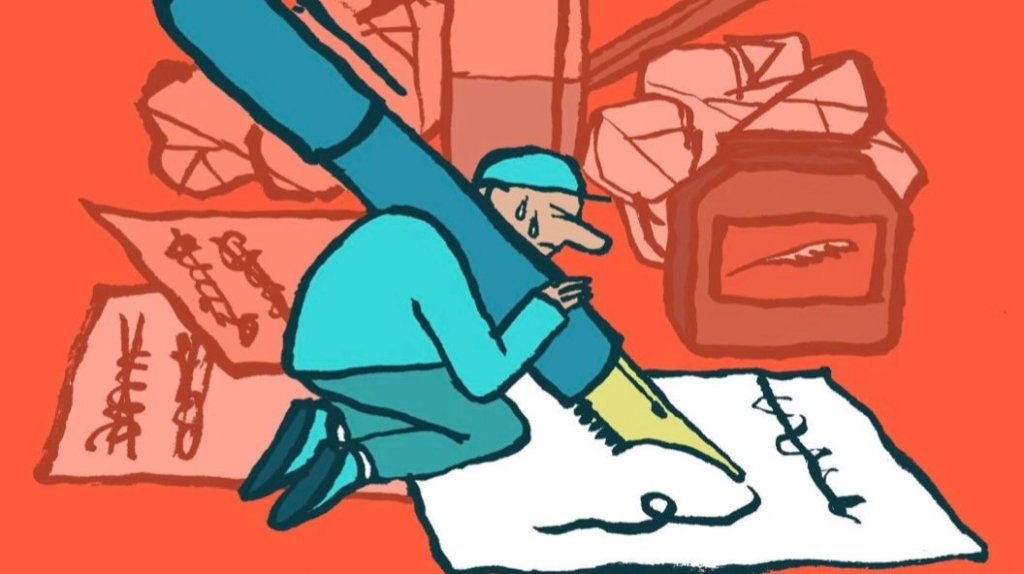
Lady Fortune is the giver and taker of gifts. Prosperity is often viewed as the time when we receive gifts from her, and adversity as the time when we lose them. Prosperous times can inflate us and make us feel as if we’re flying over the entire world. Adversity can deflate us and make us feel like the weight of the whole world is on our backs.
命运女神既是礼物的馈赠者,也是收回者。顺风顺水的时候,像是得到了她的馈赠,一路顺遂,仿佛脚下生风,能飞越整个世界;而当遭遇挫折的时候,好像礼物被无情地夺走了,整个人瞬间萎靡,仿佛整个世界的重量都压在了肩上。
Seneca, a Stoic philosopher, believes that this prosperity/adversity dichotomy is an illusion. Prosperity isn’t always good. It can inflate you so much that, like Icarus, you fly too close to the sun and ultimately fall towards doom when your wings melt off. Adversity isn’t always bad. Carrying a little bit of weight can strengthen you, and like the Greek titan Atlas, you do a lot of good for others by bearing what they can’t. A little bit of prosperity can give way to adversity, and a little adversity to prosperity.
斯多葛派哲学家塞涅卡认为,我们通常所说的“顺境”和“逆境”这种对立的划分,是一种错觉。顺境并不总是好事,顺境会让你飘飘然,就像伊卡洛斯飞得离太阳太近,翅膀被融化,最终坠入毁灭的深渊。而逆境也不总是坏事,适度的负重反而能让你变得更强大,就像希腊神话中的泰坦神阿特拉斯,他用自己的肩膀扛起了世界,为他人承担了他们无法承受的重担,也因此成就了自己的伟大。顺境和逆境之间并没有绝对的界限,顺境可能会突然变成逆境,而逆境也可能孕育着新的顺境。
Seneca wants us to see the world more clearly and overcome this illusion, which begins by understanding the Stoic concepts of Nature, Fortune, and virtue. You can imagine the world as a giant organism called Nature, which we’re all tiny pieces of. You’re simultaneously a part of Nature and apart from it, like a circle within a circle. There’s you and everything that’s not you. You’re always in a negotiation with the rest of Nature: you both give and take from each other. You act on it, and it acts on you. Lady Fortune oversees the negotiation between the two of you. What she gives to you, she takes from the rest of Nature, and what she takes from you, she gives back to the rest of Nature.
塞涅卡希望我们能更透彻地看清这个世界,打破那些虚幻的错觉,而这一切要从理解斯多葛哲学中的“自然”“命运”和“美德”这几个概念开始。你可以把世界想象成一个巨大的生命体,叫作“自然”,我们每个人都是它身上微不足道的一小块拼图。你既属于自然,又和它保持着某种独立性,就好像一个圆圈嵌套在另一个更大的圆圈里。有“你”,也有“非你”的一切。你和自然的其他部分始终在相互博弈:你从它那里索取,同时也向它奉献。你对它产生影响,它也反过来影响你。命运女神就像是这场博弈的仲裁者。她给你的,是从自然的其他部分拿来的;而她从你这里拿走的,又会归还给自然的其他部分。
Regardless of how we intend to act, the way our actions manifest themselves in the world is dependent on Fortune. We can aim our bow perfectly, but the wind can still blow our arrow away from the target. Even the fruits of our labor are subject to the winds of Fortune. Sometimes, they blow right past us into the hands of another. Fortune is chaotic, impulsive, and unpredictable. She brings things into and out of our lives, and often, we don’t know why.
无论我们的计划多周全,我们的行动最终会在世界上以怎样的方式呈现,都掌握在命运的手中。就好比我们把弓拉得再满、瞄准得再精准,一阵风却可能把箭吹偏,让箭偏离目标。我们辛苦努力得来的成果也是一样,随时可能被命运的风刮走,甚至直接落在别人手里。命运就是这样,混乱、冲动、难以捉摸。她会把东西带到我们生活中,也会把它们带走,很多时候,我们根本搞不清楚到底是为什么。
The Stoic realizes that anything that can be given or taken by Fortune was never theirs in the first place, merely rented out to them. If we get too attached to specific gifts that were given, we’ll feel poorer when she takes them back. The Stoic must learn to be indifferent to the whims of Fortune and focus on what’s truly valuable: their relationship with the rest of Nature. Everywhere we go, the rest of the universe is there. Our relationship with Nature is constant but dynamic, like a marriage that we can’t get out of. We always have the ability to take what we’ve been given to improve the world around us.
斯多葛主义者深知,命运可以随意给予或夺走的东西,本来就从未真正属于过我们,只是暂时借给我们用用而已。如果我们对命运赐予的某些东西过于依依不舍,当它们被收回的时候,我们就会觉得自己一下子变得一无所有。所以,斯多葛主义者要学会对命运的那些反复无常的举动保持一种“不care”的态度,把精力放在真正重要的事情上——那就是我们和自然其他部分的关系。不管我们走到哪里,宇宙的其他部分都在那里。我们和自然的关系就像一场无法离婚的婚姻,是恒定的,但又充满了变化。我们永远都有能力把命运给我们的东西,变成改善周围世界的工具。
As a citizen of the world, what’s truly good for it is also good for us. When we can’t improve the world, we’re challenged to improve ourselves. What truly benefits us also benefits the world. Remember, in the Stoic view, we’re all a part of a greater whole called Nature, and we’re all interconnected. By making their relationship with Nature their highest value, the Stoic can actually overcome Fortune by seeing everything that she does as a gift.
作为世界的一分子,真正对世界好的东西,对我们自己也一定是好的。如果暂时没办法去改变世界,那就先努力提升自己,因为让自己变得更好,其实也是在为世界添砖加瓦。反过来也一样,真正对我们有益的东西,最终也会让世界变得更好。就像斯多葛哲学说的,我们都是自然这个大家庭的一部分,彼此之间紧密相连。斯多葛主义者把与自然的关系当作最重要的价值,就能真正战胜命运的捉弄,把命运送来的一切,不管是顺境还是逆境,都当作一份礼物来接受。
Even if she were to take a loved one or all of our wealth, a gift is still given: misery. Misery is a bitter medicine, a violent surgery required to save the whole body. Misery can cure us of deceptive thoughts and incorrect ways of viewing the world. It’s a chance to rethink our core beliefs and approach life with a better perspective, to overcome ourselves. Once we overcome our own misery, we may be able to help others do the same.
哪怕命运女神夺走了我们最爱的人,或者拿走了我们所有的财富,她其实还是给了我们一样东西:痛苦。痛苦就像一剂苦涩的药,是一种为了拯救整个人生而不得不做的激烈手术。痛苦能帮我们摆脱那些自欺欺人的想法和错误的世界观。痛苦给了我们一个重新审视内心信念、用更好的眼光看待生活的机会,让我们有机会战胜自己。当我们战胜了自己的痛苦,也许就能去帮助别人战胜他们的痛苦。
The Stoics encourage us not to place too much value on the gifts of Fortune: they’re always in flux. But wherever you go, two things always remain: your character and the universe around you. You can always act on the world to improve it, and it can always act on you to improve you, but that’s only if you allow it to.
斯多葛主义者提醒我们,不要过于看重命运的馈赠,因为馈赠总是在变来变去。但不管我们走到哪里,有两样东西是永远不会变的:一是我们自己的品格,二是我们所处的这个世界。我们随时都可以用自己的行动去改变这个世界,让它变得更好;这个世界也随时可以反过来影响我们,让我们变得更好。不过,这一切的前提是,我们得愿意接受这种相互影响。
The person who can turn everything Fortune gives them, even when it’s misery, into a benefit for themselves and the world around them, is virtuous. The virtuous person overcomes Fortune. No such thing as a loss can exist for them. Everything that they’ve been given becomes everything that they need to better themselves and the world around them. In a sense, the one who overcomes Fortune becomes Fortune and gains the ability to create their own good luck.
能把命运给的一切,哪怕是痛苦,都变成对自己和周围世界有益的东西的人,才是真正的有德之人。这样的人能够超越命运的摆布,对他们来说,根本不存在“损失”这回事。命运给他们的,都成了他们提升自己和改善世界的资源。从某种意义上说,能够战胜命运的人,最终掌握了命运的主动权,拥有了创造自己好运的能力。
purfiles.com » 心怀善意的人终将被好运找到Goodness in heart will eventually be found by fortune


