
精疲力尽且独自沉浸于亲密之中 Exhausted and Alone in Intimacy
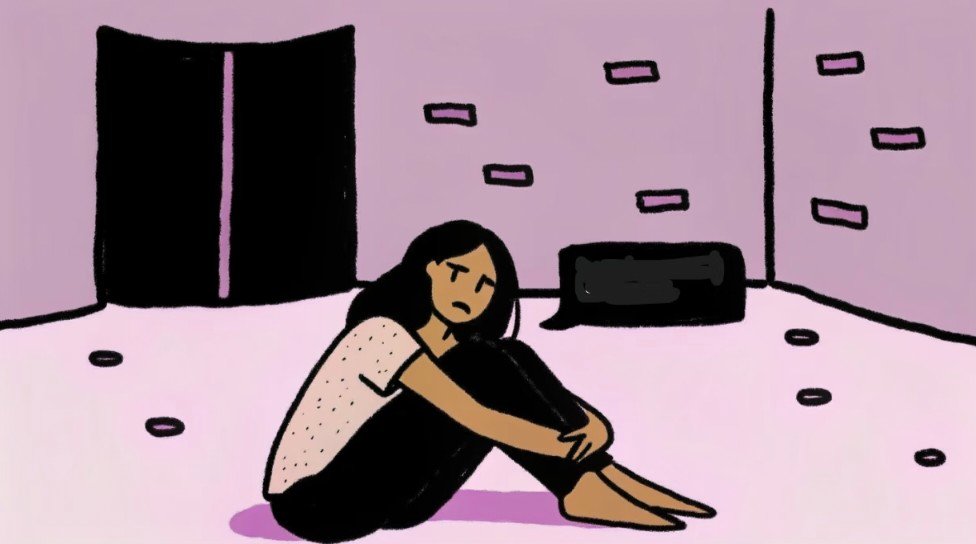
In contemporary discussions of romantic relationships, many women describe a paradoxical experience: being emotionally exhausted while still feeling profoundly alone.
在当代关于浪漫关系的讨论中,许多女性描述了一种看似矛盾的体验:她们在情感上极度疲惫,却依然感到深刻的孤独。
This sense of isolation does not stem from the absence of a partner, but from the uneven distribution of relational work.
这种孤独感并非源于伴侣的缺席,而是源于关系中劳动分配的不均。
To understand this dynamic, this article draws on philosopher Ellie Anderson’s concept of hermeneutical labor and connects it to the broader notion of emotional labor in intimate relationships.
为了理解这种动态,本文借鉴了哲学家埃莉·安德森(Ellie Anderson)提出的“诠释学劳动”概念,并将其与亲密关系中更广义的“情感劳动”联系起来。
Ellie Anderson introduces hermeneutical labor to describe the ongoing interpretive work required to make oneself understood and to understand others within social relationships.
埃莉·安德森提出“诠释学劳动”这一概念,用以描述在社会关系中,为了让自己被理解、也为了理解他人而持续进行的解释性工作。
This labor involves explaining one’s feelings, clarifying intentions, translating emotional experiences into shared language, and repairing misunderstandings.
这种劳动包括解释自己的感受、澄清意图、将情绪体验转化为可被共享的语言,以及修复误解。
Crucially, hermeneutical labor is not evenly distributed. Members of marginalized groups often bear a heavier burden, because dominant frameworks fail to adequately capture their lived experiences.
关键在于,诠释学劳动并非被均等地分配。由于主流理解框架无法充分涵盖其生活经验,边缘化群体往往承担着更沉重的诠释负担。
As a result, they must repeatedly interpret, justify, and rearticulate their inner lives in order to be recognized.
因此,她们必须反复解释、辩护并重新表述自己的内在经验,才能获得他人的理解与承认。
Within romantic relationships, hermeneutical labor overlaps significantly with what is commonly called emotional labor.
在浪漫关系中,诠释学劳动与我们通常所说的“情感劳动”高度重叠。
Here, emotional labor refers to all efforts aimed at maintaining intimacy: initiating difficult conversations, managing conflicts, anticipating a partner’s emotional needs, soothing tension, and ensuring that both partners feel emotionally secure.
这里的情感劳动,指的是一切为了维系亲密关系而付出的努力:开启艰难的对话、处理冲突、预判伴侣的情感需求、缓解紧张氛围,以及确保双方在情感上感到安全。
While these tasks are often framed as expressions of care or love, they nonetheless constitute work—work that requires time, energy, and emotional regulation.
尽管这些行为常常被视为关怀或爱的表达,但它们本质上仍然是一种劳动——一种需要时间、精力与情绪调节能力的劳动。
Empirical research and everyday experience suggest that women perform a disproportionate share of both emotional and hermeneutical labor in heterosexual romantic relationships.
实证研究与日常经验都表明,在异性恋浪漫关系中,女性承担了不成比例的情感劳动与诠释学劳动。
Women are more likely to monitor the emotional climate of the relationship, notice dissatisfaction, articulate problems, and propose solutions.
她们更有可能去感知关系中的情绪氛围、察觉不满、表达问题并提出解决方案。
They frequently find themselves explaining why something hurts, what they need, and how their partner’s behavior affects them.
她们常常需要解释:为什么某件事会让自己受伤、自己真正需要的是什么,以及伴侣的行为是如何影响自己的。
When this interpretive labor is met with indifference, defensiveness, or minimal engagement, the result is not only frustration but a deep sense of emotional abandonment.
当这种解释性劳动遭遇冷漠、防御或敷衍回应时,带来的不仅是挫败感,更是一种深刻的情感被抛弃感。
This imbalance helps explain a persistent finding in relationship research: women, on average, report lower levels of satisfaction in romantic relationships than men.
这种失衡有助于解释关系研究中一个长期存在的发现:总体而言,女性在浪漫关系中的满意度低于男性。


