
自律能力较强的人是否更快乐Are People with More Self-Discipline Happier?
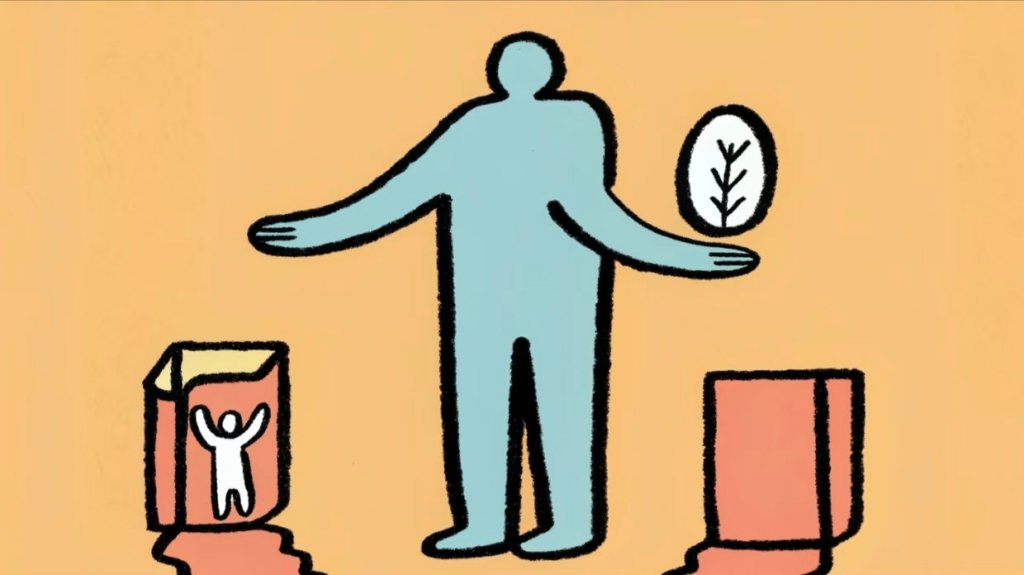
Self-discipline seems like a devil’s bargain. In the long run, this bargain allows you to accomplish more tasks, but at the cost of not being able to indulge today. When we think of people who accept this bargain, we imagine puritanical ascetics who accomplish a great deal at the expense of never finding pleasure. Cultivating high self-control seems like a distant goal, with only moral rewards. However, this may be a misconception with serious implications.
自律似乎是一笔魔鬼的交易。从长远来看,这项交易可以让您完成更多的任务,但代价是今天无法享受放纵。当我们想到接受这笔交易的人时,我们会想象清教徒式的苦乐者,他们以永远找不到乐趣为代价完成了大量工作。培养高度的自我控制似乎是一个遥远的目标,只不过是道德回报。然而,这可能是一个具有严重影响的误解。
In 2013, a study by professor William Hofmann and others was published in the Journal of Personality focusing on the relationship between happiness and self-control.
2013年,威廉·霍夫曼教授等人发表在《人格杂志》上,重点关注幸福与自我控制之间的关系。
Define self-control as, “the ability to override or change one’s inner responses, as well as interrupt undesired behavioral tendencies (such as impulses) and refrain from acting on them,” the researchers hoped to find out if our stereotype of the miserable self-disciplined puritan was true or not.
研究人员将自我控制定义为“超越或改变内心反应的能力,以及中断不受欢迎的行为倾向(例如冲动)并不对其采取行动”,希望弄清楚我们对悲惨的自律清教徒的刻板印象是否属实。
The study consisted of three experiments designed to see how happiness was affected by the trait of self-control (TSC) over both the short and long run.
该研究由三个实验组成,旨在了解自我控制特质(TSC)在短期和长期内如何影响幸福感。
The first test had 414 test subjects deciding how well certain statements described them (e.g. “I do certain things that are bad for me, if they are fun”) and then filling out a report explaining how happy they were at that moment and how satisfied they were with their lives overall.
第一次测试有414名测试对象,决定某些陈述对他们的描述程度(例如“我做了某些对我不利的事情,如果它们有趣的话”),然后填写一份报告,解释他们当时有多快乐以及他们对整体生活的满意程度。
The subjects’ responses hinted at a correlation between not only self-control and life satisfaction, but also between self-control and “positive affect,” which includes positive emotions, sentiments, and experiences experienced on a daily basis.
受试者的反应暗示,不仅自我控制和生活满意度之间存在相关性,而且自我控制和”积极影响”之间也存在相关性,”积极影响”包括积极的情绪,情感和日常经历。
So much for the idea that self-control makes you unhappy.
自我控制会让你不快乐的想法到此为止。
The second experiment, which had fewer participants, had the test subjects carry around specially programmed smartphones which would ask them questions at random times to determine if they were currently experiencing a desire. If they answered “yes” more questions would follow. These questions focused on the details of the desire, how intense it was, if the subject acted on it, if that desire conflicted with another goal they had, and how much stress it caused them.
第二个实验的参与者较少,让测试对象随身携带经过特殊编程的智能手机,这些智能手机会在随机时间向他们询问问题,以确定他们目前是否有欲望。如果他们回答”是”,就会出现更多问题。这些问题的重点是欲望的细节、欲望有多强烈、受试者是否采取行动、欲望是否与他们的另一个目标发生冲突,以及它给它们带来了多大的压力。
The results reinforced the notion that “people with higher TSC had more positive and fewer negative emotions overall.”
结果强化了这样的观点:“总体而言,TSC较高的人积极情绪较多,消极情绪较少。”
Inspired by the related finding that the desire-goal conflict leads to substantial stress in people with low self-control, researchers investigated the phenomenon further with a third experiment.
受相关发现的启发,即欲望与目标的冲突会导致自制力较低的人承受巨大的压力,研究人员通过第三个实验进一步调查了这一现象。
The last test asked participants to answer questions about three regular goal-desire conflicts in their lives. The questions included inquiries into how severe the conflicts were, how often they occurred, and the morality of the choices available to them. They were then asked to fill out a survey on their life satisfaction and self-control tendencies.
最后一次测试要求参与者回答有关生活中三个常见的目标欲望冲突的问题。这些问题包括调查冲突的严重程度、发生的频率以及可供选择的道德性。然后,他们被要求填写一份有关生活满意度和自我控制倾向的调查表。
The results surprised the researchers, as people with higher levels of self-control reported fewer desire-goal conflicts overall than those with lower self-control.
结果令研究人员感到惊讶,因为自我控制水平较高的人总体上报告的愿望与目标冲突比自我控制水平较低的人更少。
The conflicts they did face were also less likely to be conflicts of choosing a virtuous option or an enjoyable vice.
他们确实面临的冲突也不太可能是选择良性选择或愉快恶习的冲突。
It was also found that when the conflicts did arise, people with higher self-control were better at choosing the better option than those with lower self-control, as one might expect.
研究还发现,正如人们所预料的那样,当冲突确实出现时,自制力较高的人比自制力较低的人更善于选择更好的选择。
What does this all mean?
这一切意味着什么?
Each test showed that people with higher levels of self-control were not only more satisfied with life overall, but also had more positive emotions on a day to day basis.
每次测试都表明,自我控制水平较高的人不仅对整体生活更满意,而且日常情绪也更积极。
As the authors of the study phrased it: “high self-control does make you happy.”
正如该研究的作者所说:“高度的自制力确实会让你快乐。”
While the types of happiness that people with high levels of self-control experience might be different from the kinds that people with low self-control experience, the long run results are clear. Self-control helps lead to a more satisfying life.
虽然自我控制水平高的人的幸福感类型可能与自我控制水平低的人不同,但长期结果是明确的。自我控制有助于带来更满意的生活。
Our idea of self-disciplined people as self-denying and unhappy is false; they’re happier than the rest of us. By better avoiding impulses, choosing virtue over vice, and balancing their desires and goals, they have more good moods and higher levels of life satisfaction. Anybody can improve their self-control by taking simple steps today.
我们认为自律的人克己、不快乐的想法是错误的;他们比我们其他人更快乐。通过更好地避免冲动、选择美德而不是恶习、平衡自己的欲望和目标,他们会拥有更好的心情和更高的生活满意度。任何人都可以通过今天采取简单的步骤来提高自己的自制力。


