
稀缺如何劫持你的大脑When less leaves you with less of yourself
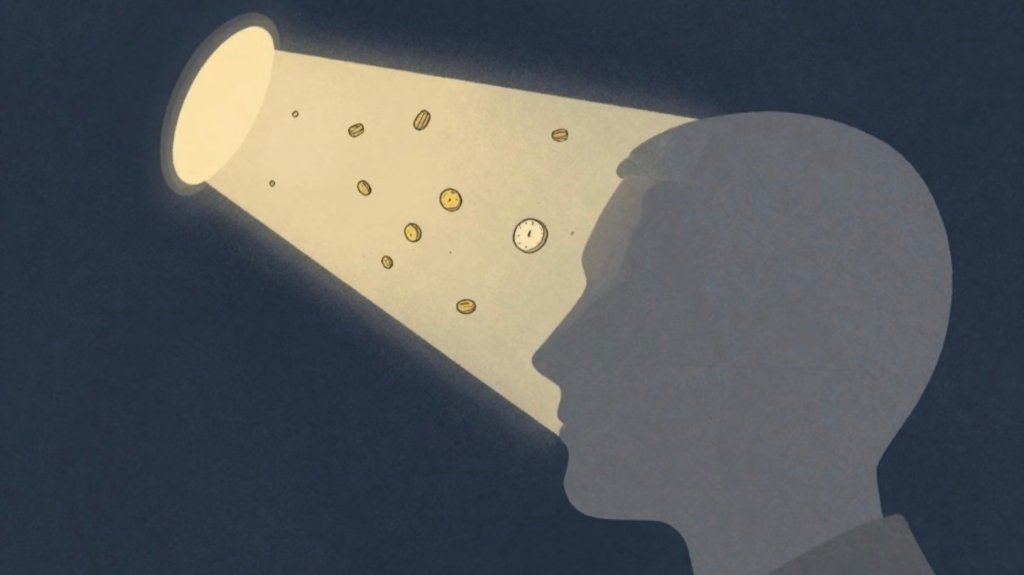
Scarcity narrows your focus and shrinks your capacity to care — here’s how to break the loop.
稀缺会锁死你的注意力,也悄悄掏空你的共情力,这篇文章教你如何跳出这个怪圈。
How Scarcity Hijacks Your Brain (And What You Can Do About It)
You know that feeling. You’re staring at your bank account. Or your deadline. Or your empty inbox after sending out the 40th job application. Your chest tightens. Your vision narrows. All you can think about is the thing you don’t have enough of. Here’s the part nobody tells you: It’s not weakness. It’s neuroscience.
你了解那种感觉。你盯着自己的银行账户、截止日期,或是发送了第40份求职申请后空空如也的收件箱。你的胸口发紧,视线变窄,脑子里全是“你缺乏的东西”。没人告诉你的是:这不是软弱,这是神经科学在作祟。
In 2013, behavioral economist Sendhil Mullainathan and psychologist Eldar Shafir published a landmark book, Scarcity: Why Having Too Little Means So Much. Their central finding? Scarcity creates tunnel vision. When your brain detects a shortage — money, time, social connection, sleep — it shifts into emergency mode.
2013年,行为经济学家森迪尔·穆莱纳桑和心理学家埃尔达·沙菲尔出版了里程碑式著作《稀缺:为什么拥有太少意味着如此重要》。他们的核心发现是:稀缺感会产生“隧道视野”。当大脑检测到不足——金钱、时间、社交或睡眠——它会切换到紧急模式。
All cognitive resources get hijacked and thrown at the immediate problem. It’s called the bandwidth tax. Your IQ effectively drops by 13 points, roughly the equivalent of losing a full night’s sleep. Here’s the cruel irony: The more you need clear thinking, the less your brain can deliver it.
所有认知资源都被劫持,并投入到眼前的紧迫问题上。这被称为“带宽税”。你的智商会有效下降13点,大约相当于失去一整夜睡眠的水平。残酷的讽刺在于:你越需要清晰思考,你的大脑就越难以实现。
Mullainathan uses a powerful example: firefighters. Before a call, they check their gear. They check the truck. They mentally rehearse the route. But researchers found that when firefighters tunnel on getting to the fire fast, they sometimes forget to buckle their seatbelts. The very focus that saves lives in one moment kills in another.
穆莱纳桑举了一个有力的例子:消防员。出警前,他们检查装备,检查卡车,并在脑海中预演路线。但研究人员发现,当消防员专注于快速到达火灾现场时,他们有时会忘记系安全带。在某一刻挽救生命的专注,在另一刻却可能致命。
You’re not bad at managing your life. Your brain is just working exactly as evolution designed it—it’s just that this design was built for surviving a predator, not surviving rent.
你并非不擅长管理生活。你的大脑只是完全按照进化的设计在运作——只不过这种设计是为了应对捕食者,而非应对房租。
And it gets worse. A 2023 study published in Social Cognitive and Affective Neuroscience by Li, Meng, and Cui found something unsettling: when people are primed with a scarcity mindset, their brain literally shows reduced neural response to others’ pain.
情况还会更糟。Li、Meng和Cui在2023年发表于《社会认知与情感神经科学》的一项研究发现了一个令人不安的现象:当人们被稀缺心态“启动”时,他们的大脑对他人痛苦的神经反应会“字面上地”减少。
Scarcity doesn’t just blind you to your own future. It blinds you to other people. You cancel coffee with a friend because you’re “too stressed.” You snap at your partner. You stop checking in on your parents. You’re not becoming a bad person. Your brain has decided there’s no bandwidth left for empathy.
稀缺感不仅会让你对自己的未来视而不见,还会让你对他人的境况充耳不闻。你因为“压力太大”而取消了与朋友的咖啡约会,你对伴侣大发脾气,你不再关心父母。你并非变成了坏人,只是你的大脑决定不再为同情心分配带宽。
But here’s what the researchers also found: scarcity is a psychological state, not a permanent character trait. It can be induced. Which means it can be reversed.
但研究人员还发现:稀缺是一种心理状态,而非永久性的性格特质。它可以被诱导,这也意味着它可以被逆转。
Let me share something that changed how I see this. Kristina Rodulfo, a Filipina writer in her 30s, grew up watching her mom obsessively count every peso. Save every scrap. Refuse help. She thought it was just “family culture.” It took her years to realize it was a scarcity mindset passed down like an invisible inheritance.
让我分享一个改变我看法的故事。三十多岁的菲律宾作家克里斯蒂娜·罗德尔福,从小看着妈妈痴迷地计算每一比索,节省每一分钱,拒绝帮助。她曾以为那只是“家庭文化”,却花了多年才意识到,那是一种像无形遗产般代代相传的稀缺心态。
Her breakthrough moment? She stopped trying to “think positively” and started building slack-Mullainathan’s term for leftover resources that buffer against shocks. Slack isn’t luxury. It’s oxygen. Here’s what that looks like in practice:
她的突破性时刻是什么?她不再试图”积极思考”,而是开始建立”弹性冗余”(slack)——穆莱纳桑用来描述缓冲冲击的剩余资源的术语。弹性冗余不是奢侈品,它是氧气。实际操作中它是什么样的呢?
The next 24 hours: Name your scarcity. Is it money? Time? Loneliness? Just writing it down reduces its grip. Studies show labeling an emotion dampens amygdala activity.
接下来的24小时:说出你的稀缺是什么?是金钱?时间?还是孤独?仅仅是写下来就能减轻它的控制。研究表明,给情绪贴标签能抑制杏仁核的活动。
The next 7 days: Build one pocket of slack. Open a savings account with automatic $5 transfers. Block a recurring 30-minute “do nothing” window. Send one text to an old friend. Not everything. Just one.
接下来的7天:建立一个”弹性冗余”小口袋。开一个自动转账5美元的储蓄账户。每周预留一个30分钟的”什么都不做”时间段。给一个老朋友发一条短信。不是所有事情都做,只做”一件”即可。
The next 30 days: Find your “firefighter seatbelt.” That one small thing you neglect when you’re tunneling-sleep? Hydration?That daily 5-minute walk?-and protect it like your life depends on it. Because your bandwidth does.
接下来的30天:找到你的“消防员安全带”。当你陷入“隧道视野”时,你忽略的那个小细节——睡眠?水分补充?每天5分钟的散步?——像生命攸关般地保护它。因为你的带宽确实如此。
The scarcest resource isn’t money. It’s not time. It’s the attention you give yourself.Scarcity isn’t a mindset you choose. It’s a mechanism that happens to you. That’s not a platitude. That’s a strategy.
最稀缺的资源不是金钱,也不是时间,而是你给予自己的关注。稀缺并非是你选择的心态,它是一种发生在你身上的机制。这不是一句空泛之词。这是一种策略。
But mechanisms can be understood. And what you understand, you can outsmart. You are not broken. You are not lazy. You are not selfish. You are just operating with a hijacked brain. And the first step to taking it back? Breathe. Name it. Build one small piece of slack.
但机制是可以被理解的。你所理解的,你就能智胜。你没有崩溃,你不是懒惰,你也不是自私。你只是在大脑被劫持的状态下运作。而夺回控制权的第一步是什么?呼吸。命名它。建立一小块弹性冗余。


