
啤酒花的苦味竟是肠道重置开关Bitter taste heals your gut without a drink
You have no taste buds in your gut. And that’s precisely why this works. Let’s be honest. You’ve tried the diets. You’ve tried the intermittent fasting apps. You’ve watched the clock, counted the calories, and felt that familiar 3 PM slump where your brain screams feed me something -anything -right now. And you caved.
你的肠道里没有味蕾。这正是它起作用的原因。说实话,你尝试过各种饮食,试过间歇性禁食应用。你盯着时钟,计算着卡路里,感受着下午3点那种熟悉的疲惫,那时你的大脑会尖叫着“现在给我吃点什么-任何东西都行”。然后你妥协了。
Here’s what nobody tells you: the problem isn’t your willpower. It’s the fact that your hunger hormones have been running the show, and you didn’t even know the backstage door existed.
没人告诉你的是:问题不在于你的意志力。而是你的饥饿激素一直在主导一切,而你甚至不知道幕后入口的存在。
Most young adults live in what scientists call hedonic eating-eating driven by pleasure,not survival. Your brain releases dopamine before you even take the first bite. And once the signal fires? Good luck fighting it with “discipline.” But here’s the cognitive restart button: Your gut has taste buds that don’t care about flavor. They care about function.
大多数年轻人生活在科学家所说的“享乐性饮食”中-即由愉悦而非生存驱动的进食。在你吃第一口之前,大脑就会释放多巴胺。一旦信号发出?祝你好运,想靠“纪律”来对抗它。但这里有一个认知重启按钮:你的肠道有味蕾,它们不在乎味道,它们只在乎功能。
In 2024, researchers at the University of Auckland published a study in Physiology & Behavior that quietly flipped the script on appetite science. They gave a group of healthy young women a bitter hop extract called Amarasate-concentrated from New Zealand hops, with zero alcohol-during a 24-hour water-only fast.
2024年,奥克兰大学的研究人员在《生理学与行为》杂志上发表了一项研究,悄然改变了食欲科学的认知。他们让一群健康的年轻女性在24小时纯水禁食期间,服用了一种名为Amarasate的苦味啤酒花提取物-它从新西兰啤酒花中浓缩而来,不含酒精。
The result? Hunger scores dropped by 25%. Food cravings collapsed. The women reported feeling full without eating a single thing. Here’s the mechanism your fitness influencer won’t tell you about. Scattered along your stomach and small intestine are specialized cells called enteroendocrine cells.
结果如何?饥饿评分下降了25%。食物渴望消失了。这些女性报告说,她们没有吃任何东西却感觉饱了。以下是你的健身网红不会告诉你的机制。沿着你的胃和小肠散布着一种特殊细胞,叫做肠内分泌细胞。
They’re covered in T2R bitter taste receptors — the exact same type of proteins on your tongue, but these ones don’t send signals to your brain about flavor. Instead, they act like radar dishes. When bitter molecules from hops (alpha acids, beta acids, and a prenylflavonoid called xanthohumol) dock onto these T2Rs, your gut responds by releasing three hormones: GLP-1 — the same hormone Ozempic targets, but naturally triggered. CCK — tells your gallbladder to release bile, signals “I’m done eating”. PYY — the “brake” hormone that slows gastric emptying. Your gut just told your brain: We’re good. No food needed. And this happens in minutes — not hours.
它们表面覆盖着T2R苦味受体——与你舌头上的蛋白质类型完全相同,但这些受体不会向大脑发送关于味道的信号。相反,它们就像雷达天线。当来自啤酒花的苦味分子(α-酸、β-酸和一种名为黄腐酚的异戊烯基黄酮)与这些T2R结合时,你的肠道会释放出三种激素作为回应: GLP-1——与Ozempic针对的激素相同,但自然触发。CCK——告诉你的胆囊释放胆汁,发出“我吃饱了”的信号。PYY——减缓胃排空的“刹车”激素。你的肠道刚刚告诉你的大脑:我们很好,不需要食物。而这发生在几分钟内,而不是几小时。
Not all studies agree. A 2023 review in Frontiers in Endocrinology found that while bitter compounds reliably activate T2Rs in petri dishes, human trials show mixed results for GLP-1, CCK, and PYY spikes. Some people respond. Some don’t. The difference? Delivery method matters more than dosage.
并非所有研究都达成一致。2023年《内分泌学前沿》的一篇综述发现,虽然苦味化合物在培养皿中能可靠地激活T2R,但人体试验显示,GLP-1、CCK和PYY水平上升的结果不一。有些人有反应,有些人则没有。区别在哪里?给药方式比剂量更重要。
The 2024 Auckland study succeeded because they used an enteric-coated capsule — releasing the hop acids directly into the lower intestine, bypassing your tongue’s disgust reflex entirely. This is the key insight: bitter compounds work when they reach the right zip code in your gut. But there’s another layer to this story that almost broke my understanding of gut health.
2024年的奥克兰研究之所以成功,是因为他们使用了肠溶胶囊——将啤酒花酸直接释放到小肠下部,完全绕过了舌头的厌恶反射。这是关键的见解:苦味化合物只有到达肠道中的“正确区域”时才能起作用。但这个故事还有另一个层面,它几乎完全颠覆了我对肠道健康的理解。
Meet Anthony, a 26-year-old software engineer from Portland who spent three years battling chronic bloating and a “leaky gut” diagnosis. He tried probiotics, elimination diets, and even gave up coffee. Nothing stuck.
认识一下安东尼,一位来自波特兰的26岁软件工程师,他与慢性腹胀和“肠漏”诊断抗争了三年。他尝试了益生菌、排除饮食,甚至戒掉了咖啡。但没有任何方法奏效。
Then he stumbled onto a study from 2024 published in the Journal of Agricultural and Food Chemistry: non-alcoholic beer consumption significantly increased gut microbiota diversity — more than its alcoholic counterpart. The polyphenols in hops acted as prebiotics, feeding beneficial bacteria while reducing markers of inflammation.
后来,他偶然发现2024年发表在《农业与食品化学杂志》上的一项研究:无酒精啤酒的饮用显著增加了肠道微生物群的多样性——甚至超过了含酒精的啤酒。啤酒花中的多酚充当益生元,滋养有益细菌,同时减少炎症标志物。
Six months later, Anthony drinks one non-alcoholic IPA 20 minutes before his largest meal. His bloating dropped by 70%. His energy curve flattened. And he lost 11 pounds without counting a single calorie.
六个月后,安东尼在吃大餐前20分钟喝一罐无酒精IPA。他的腹胀减少了70%。精力曲线趋于平稳。他甚至没有计算任何卡路里就瘦了11磅。
Here’s the science behind his story. Xanthohumol, the compound unique to hops, has been shown in 2024 research to reduce macrophage infiltration in gut tissue — essentially calming the immune soldiers that cause chronic low-grade inflammation. Meanwhile, the bitter acids trigger the release of gastric acid and digestive enzymes, essentially giving your stomach a pre-meal warm-up.
这是他故事背后的科学依据。2024年的研究表明,啤酒花中特有的化合物黄腐酚可以减少肠道组织中的巨噬细胞浸润——这本质上是安抚了导致慢性低度炎症的免疫细胞。同时,苦味酸会触发胃酸和消化酶的释放,这基本上是给你的胃在正餐前进行“热身”。
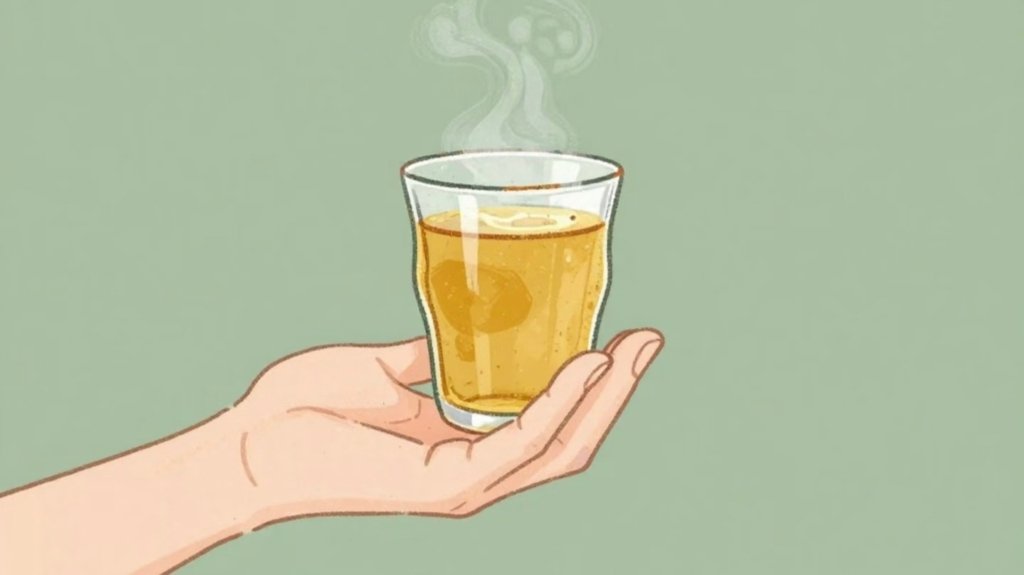
The 24-Hour Shift: Buy one bottle of non-alcoholic IPA (look for high IBU — International Bitterness Units — above 40). Drink 100ml (about 3 oz) 20 minutes before your largest meal. Notice: does your first bite feel different? Less urgent?
24小时转变:买一瓶无酒精IPA(寻找高IBU值,即国际苦度单位,高于40)。在吃最大一餐前20分钟喝100毫升(约3盎司)。注意:你的第一口食物感觉有不同吗?不那么急迫了吗?
The 7-Day Experiment: Keep a 1-10 hunger rating before and after the bitter pre-load. Track cravings frequency — most users report a 40% drop by day 4. If bloating is your issue, switch to a non-alcoholic stout (higher polyphenol content).
7天实验:在苦味预加载前后记录1-10分的饥饿评分。追踪渴望频率——大多数用户报告在第4天下降了40%。如果腹胀是你的问题,可以改用无酒精世涛啤酒(多酚含量更高)。
The 30-Day Reset: Layer in other bitter foods: arugula, dandelion greens, endive, or gentian tea. Take a 2-minute “bitter pause” before eating — smell, look, then sip. Blood sugar note: several users reported steadier glucose readings by week 3.
30天重置:加入其他苦味食物:芝麻菜、蒲公英叶、菊苣或龙胆茶。饭前进行2分钟的“苦味暂停”——闻一闻,看一看,然后小口品尝。血糖提示:几位用户报告说,到第三周时血糖读数更稳定了。
You don’t need to hate your cravings. You just need to talk to them in a language your gut understands. Your body has been waiting its whole life for someone to speak to it in bitter. The receptor is there. The molecule is ready. The only question is: will you keep fighting your hunger with brute force, or finally pick up the phone?
你不需要憎恨你的渴望。你只需要用你的肠道能理解的语言与它们对话。你的身体一生都在等待有人用苦味与它沟通。受体在那里。分子已准备就绪。唯一的问题是:你还会继续用蛮力对抗饥饿,还是最终拿起电话?
The reset button is in your gut. And it tastes nothing like you expected.
重置按钮就在你的肠道里。而且它的味道和你想象的完全不同。
One last thing: If you try nothing else, taste something bitter — truly bitter — 20 minutes before your next meal. Not coffee. Not dark chocolate. Something that makes you wince. Then pay attention to how you feel at the table. That wince? That’s a dormant conversation starting up again.
最后一点:如果你什么都不尝试,至少在下一餐前20分钟尝点苦的东西——真正苦的。不是咖啡。不是黑巧克力。是那种让你皱眉的东西。然后注意你在餐桌上的感觉。那一下皱眉?那是沉睡的对话再次开启。


