
一个奇妙小技巧让你更放松One Weird Trick to Feel More Relaxed at Home
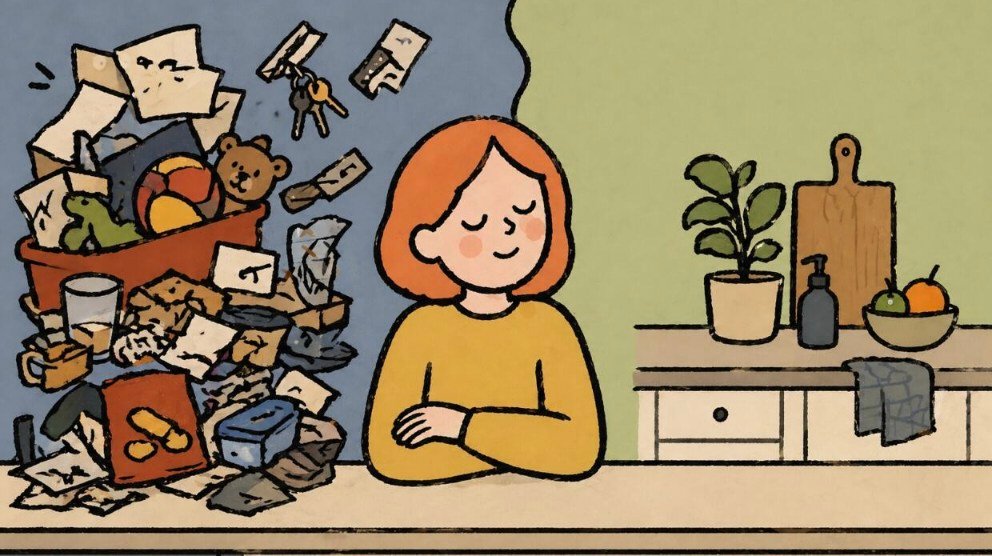
The beginning of the year is a time heavy with pressure to clean your home. The Northern Hemisphere’s colder months seed a desire to stay in and get cozy, but home is where the mess is, and it’s staring you in the face, judging you (perhaps following the example of critical family members who came over for the holidays). On top of that, the self-improvement resolution energy of the New Year rudely reminds you that you should be doing better in every domain, so why haven’t you organized all of your snacks into clear plastic containers, like those TikTokers do? The last thing anyone needs is more of this pressure.
新年伊始,居家清洁的压力沉重得让人喘不过气。北半球寒冷的冬日播下了想要宅家过舒适生活的种子,但“家”往往也是乱象丛生之地。这些杂物盯着你,仿佛在审视你,或许还在效仿假期登门拜访的挑剔亲戚,对你无声地评头论足。此外,新年计划带来的那种“自我提升”的紧迫感也在粗鲁地提醒:你应该在各方面都做得更好。你甚至会自我怀疑:为什么我还没像那些网红一样,把所有的零食都整整齐齐地码进透明收纳盒里呢?大家最不需要的就是这种额外的压力。
But my duty is to report the facts, and so I must inform you that, according to research, clutter in the home is associated with reduced well-being, and seems to get in the way of actually feeling at home. But the clutter, you may say, it just keeps coming! The junk mail, the kids’ toys and art projects, the half-finished water glasses. And by the way, I am very busy. I hear you. I empathize. I am busy too. But I also have a very modest proposal—a quick, easy solution that I swear will have the highest emotional payoff for the least physical effort: Clear your countertops.
但我的职责是陈述事实,所以我必须告知你:研究表明,家中的杂物与幸福感降低有关,而且似乎会阻碍你获得真正的“归属感”。但你可能会说,杂物就是源源不断啊!垃圾邮件、孩子的玩具和艺术手工、喝了一半的水杯等等等等。而且顺便说一句,我也很忙。我听到了,我也深有同感,因为我也一样忙。但我有一个非常小巧且诚恳的建议——一个我发誓能以最少的体力投入换取最高情绪回报的方案:清理你的台面。
That’s all. Clutter lives rent-free not only in my home but in my mind and heart. More than a crumb-covered rug or an overflowing laundry hamper, what bothers me is stuff accumulated on surfaces. When I see piles on the counters, I begin walking around in a huff, muttering that we live in filth. I’m not always even aware that counter clutter is what’s bothering me until Tupperware is returned to its drawer, keys are hung back on their hooks, Amazon packaging gets recycled, and expired coupons are thrown away. I realize then that removing those few items from my visual field has unclenched my shoulders and soothed my rage.
杂物不仅占据了我的物理空间,也侵蚀着我的内心和精神。比起落满碎屑的地毯或堆积如山的脏衣篮,最让我心烦的是那些平面上堆积的东西。每当看到台面乱成一团,我就会愤愤不平地走来走去,咕哝着我们生活在污垢之中。有时我甚至意识不到台面杂物才是烦恼的根源,直到收纳盒归位、钥匙挂回钩子、快递包装被回收、过期的优惠券被扔掉。我才惊觉,仅仅是将那几件物品移出视线,就足以让我的肩膀放松,平复心中的怒火。
People have different tolerance levels for messiness, and mine is probably quite low. But Sophie Woodward, a University of Manchester sociologist, told me that clutter is fraught for most people, in part because “having less stuff is seen as morally good.” Woodward said that in interviews for her research, almost all of her subjects express a desire for a more minimalist home. “Unless you are unbelievably on top of things,” she said, “clutter will accumulate to a point where it bothers people.” Counters are clutter magnets. When you’re holding a random item and don’t know where to put it, the allure of a wide, hip-level surface is too much to resist. Just drop it there and deal with it later, the devil on your shoulder whispers.
每个人对混乱的忍耐力不同,我的忍耐力显然很低。但社会学家苏菲·伍德沃德告诉我,杂物对大多数人来说都意味着心理负担,部分原因在于“拥有更少的东西被视为一种道德上的优越”。伍德沃德说,在她的研究访谈中,几乎所有受访者都渴望拥有一个更极简的家。她说:“除非你极度自律,否则杂物总会堆积到一个让人烦躁的临界点。”台面简直是杂物的磁铁。当你拿着一件不知该放哪儿的小物时,那平坦、齐腰高的表面简直诱人犯罪。你肩膀上的恶魔总是在耳边低语:先放那儿吧,以后再处理。
But this is a trap. “Putting the clutter at eye level, where you’re going to see it most naturally, is going to bother you more because you can’t avoid seeing it,” Daniel Oppenheimer, a psychologist at Carnegie Mellon University, told me. Counters tend to be in high-traffic areas, such as kitchens and bathrooms, that you’re likely to pass through several times a day. In the open-plan homes that have been all the rage in the U.S. for some time now, kitchen and living areas are not separated, which can make mess feel inescapable. My house is like this, so when I’m trying to relax on the couch, clutter stares at me from the kitchen island. Counters are meant to be functional, but when they are covered with stuff, they become useless.
但这是一个陷阱。心理学家丹尼尔·奥本海默告诉我:“把杂物放在视线平齐、自然可见的地方会更让人心烦,因为你避无可避。”台面通常位于厨房或浴室等高频使用区域,你每天都会经过好几次。在时下流行的开放式住宅中,厨房与客厅连为一体,这让凌乱感无处遁形。我的家就是这种设计,每当我想在沙发上休息,中岛上的杂物就会直勾勾地看着我。台面本应具备功能性,但当上面堆满东西时,它们就变得毫无用处。
Ideally, the solution to counter clutter is to put all that stuff where it belongs: neatly organized in a cabinet, perhaps, or directly in the trash. Woodward said that what makes clutter upsetting is less the items themselves, and more the fact that they’re out of place. So storing items will probably relieve clutter anxiety most effectively. But if all you can manage to do is scoop up the pile and shove it in a drawer to be dealt with later, that’s still a win. Once you clear the piles, the stuff won’t be taunting you anymore, and the counter will be newly available. Eventually, you will have to face the clutter. But not today! Today, just clear the counters, and know peace.
理想的方案是将所有物品归位:要么整齐地收进柜子,要么直接扔进垃圾桶。伍德沃德说,杂物之所以让人心烦,不在于物品本身,而在于它们“放错了地方”。因此,妥善收纳确实能最有效地缓解焦虑。但如果你此时只能做到把它们一股脑扫进抽屉,眼不见为净,那也是一种胜利。一旦清理了堆积物,那些东西就不再挑衅你,台面也焕然一新。迟早你得面对那些杂物,但不是今天!今天,你只需要清理掉台面,享受宁静。


