
如何通过三个问题识破谎言?How to Spot a Liar in 3 Questions
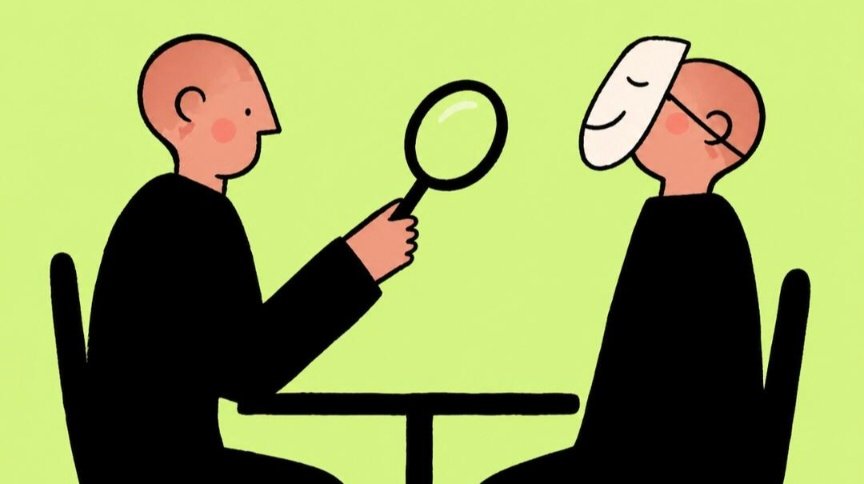
The best liar I ever met didn’t look like a liar. He didn’t fidget. He didn’t look away. He stood across from me, looked me dead in the eye, and wept. I’m not talking about a single tear. I’m talking about a full-blown, snot-running-down-the-nose breakdown. He was terrified, heartbroken even. And I bought it. I remember feeling sorry for him and thinking, ‘This guy just needs a break.'” I was a new cop and it was a simple traffic stop – but he had drugs on him. Two days later, I figured out that he had given me his brother’s identity, and he had done it with a level of cold calculation that forever changed the way I interacted with people…I didn’t miss the lie because I was stupid. I missed it because I was looking for humanity, and he was giving me a performance.
我遇到过最完美的骗子,看起来根本不像在说谎。他没有局促不安,也没有眼神躲闪。他就站在我面前,直勾勾地盯着我的眼睛,声泪俱下。我说的可不是默默流下的一滴眼泪,而是那种涕泪横流的彻底崩溃。他看起来惊恐万分,甚至透着几分心碎。而我,竟然信了。我还记得当时心里泛起的同情,暗想:”这家伙只是被生活逼到了死角,放他一马吧。”那时的我还是个初出茅庐的新警官,这本是一次普通的交通盘查–但他身上带着毒品。两天后,我查明他当时报的是他哥哥的身份。他在撒谎时那种冷酷无情的算计,彻底改变了我此后与人打交道的方式……我没能识破那个谎言,并非因为愚蠢。而是因为我试图在他身上寻找残存的人性,而他,只是在给我表演。
That was the day I stopped looking for nervousness and started looking for cognitive load. Think of cognitive load as the mental effort or brainpower needed to process information, limited by your working memory. Lying, is exhaustive work. To tell a successful lie, the human brain has to run a marathon. The liar must: 1. Invent a story that is plausible. 2. Ensure the story doesn’t contradict what the listener already knows. 3. Monitor their own body language. 4. Monitor your reaction. 5. Suppress the truth. This is what psychologists call cognitive load. A liar’s brain is operating at 99% CPU usage. An honest person is coasting at 20%. Because the liar is maxed out mentally, they have very little processing power left for the unexpected.
也就是说从那天起,我不再试图寻找“紧张”的蛛丝马迹,转而开始关注“认知负荷”(Cognitive Load)。你可以将它理解为处理信息所需的脑力劳动或“算力”,它受限于你的记忆。说谎是一项极其耗费精力的工作。为了编造完美的谎言,大脑简直要跑一场马拉松。说谎者必须:1.编造一个合情合理的故事。2.确保故事不与已知事实冲突。3.监控自己的肢体语言。4.观察对方的反应。5.压抑住真相。这就是心理学家所说的认知负荷。一个说谎者的大脑CPU占用率高达99%,而诚实的人只在20%轻松运转。正因为说谎者的大脑已经超载,他们几乎没有剩余的“算力”来应对突发状况。
If you ask standard questions (“Did you do it?”, “Where were you?”), they are fine because they rehearsed those answers. But if you ask questions that increase the cognitive load, their system crashes.
如果你只是问些常规问题(“是你干的吗?”“你当时在哪儿?”),他们能应对自如,因为早就排练过答案了。但如果你问出能增加认知负荷的问题,他们的系统就会崩溃。
Question 1: The Timeline Lock
“Walk me through the 30 minutes before this happened, step-by-step.”
问题一:锁定时间线
“请你一步一步带我回顾一下,这起事件发生前30分钟里的每一个细节。”
When people invent a lie, they focus on the “Main Event.” They rarely rehearse the boring, mundane details leading up to it. Our memories are associative streams. When you tell the truth, you remember the context. When you lie, you have a script.
当人们编造谎言时,通常会把精力集中在核心事件上,极少排练琐碎细节。我们的记忆是充满联想的意识流。当你说实话时,你会记得当时的背景。而当你说谎时,你只有剧本。
What to watch for: Look for “The Bridge.” A liar will try to skip the unscripted time as fast as possible. They will use phrases like: “I was just doing normal stuff, and then…” If they bridge over the 30 minutes prior with a generic sentence, that is a red flag.
要观察的危险信号:警惕“话语桥梁”。说谎者会试图尽快跳过没有剧本的时间段。他们会使用“我当时就在做平时常做的事,然后……”这样的话术。如果他们试图用一句含糊其辞的话一笔带过,这就是个危险信号。
Question 2: The Sensory Curveball
“In that moment you just described, what could you hear in the background?”
问题二:感官突击
“在你刚刚描述的那个瞬间,背景里传来了什么声音?”
This is the question that usually breaks the script. A liar builds their story in 2D – facts and events. A truth-teller remembers in 3D – sights, sounds, smells, and feelings. When you ask a liar about sensory details, you force them to generate new data on the fly. Their overloaded brain has to pause to “render” this new part of the world.
这个问题通常能直接粉碎他们的剧本。说谎者构建故事是二维的——只有事实和事件。而说实话的人,记忆是三维的——包含视觉、听觉、嗅觉和感受。当你询问感官细节时,是在迫使他们当场“生成”新数据,超载的大脑不得不暂停来“渲染”这部分新的世界。
What to watch for: The Stall: They repeat the question to buy time. (What did I hear? Hmm…) The Attack: They snap at you out of frustration. (Why does that matter?) The Void: They give an answer devoid of detail. (Just coffee shop sounds.)
要观察的危险信号:拖延战术:他们会通过重复问题来拖延时间。(“我听到了什么?嗯……”)恼怒攻击:因为大脑死机带来的挫败感而发火。(“这有什么关系吗?”)空洞无物:给出一个没有细节的敷衍答案。(“就是咖啡馆该有的声音。”)
Question 3: The Hypothetical Evidence
“If I were to check the logs/cameras/records from that time, is there any reason they wouldn’t match what you just said?”
问题三:假设性证据
“如果我去查看那个时间段的监控或记录,有什么原因会导致它们与你刚才说的不一致吗?”
You don’t need to actually have the evidence. You just need to introduce the possibility of it. This triggers a psychological state known as “bargaining”. When a liar thinks an objective fact might contradict them, they panic and try to create an “escape hatch.”
你并不需要真的掌握这些证据,只需抛出这种可能性即可。这会触发一种名为“讨价还价”的心理状态。当说谎者认为客观事实可能拆穿他们时,他们会陷入恐慌,并立刻尝试为自己留一条“退路”。
What to watch for: The Hedge. An honest person is defiant: “Go ahead. It’ll prove I’m right.” A liar will start to soften their statement to allow for error: “Well, I’m pretty sure that’s what happened, but I might have been five minutes off.” The moment you hear the Hedge, you know they are unsure of their own lie.
要观察的危险信号:警惕预留退路。诚实的人会表现出不屈服的底气:“去查吧,正好能证明我是对的。”而说谎者会开始软化说辞留有余地:“嗯,我很确定是那样的,但时间上我可能会记错五分钟。”当你听到这种留退路的言辞时,就知道他们对自己撒的谎心里没底了。
Conclusion-The Goal Isn’t a Confession
If you use these questions and spot these indicators-the Bridge,the Stall,or the Hedge-do not slam your hand on the table and yell“Gotcha!”
Real life isn’t a movie.The goal isn’t to extract a tearful confession;it is to get to the truth so you can make a decision.When you see the cognitive load spike,simply slow down. Ask more open-ended questions. Say, “Help me understand that part again.” Usually, the person will realize the mental effort isn’t worth it, and the truth will quietly surface.
Deception is heavy. The truth is light. If you know how to ask the right questions,you don’t need to be a human lie detector – you just need to let them drop the weight.
结论–目的并非逼供
如果你发现了上述的蛛丝马迹(话语桥梁、拖延战术或是预留退路)–千万别一巴掌拍在桌子上大吼:“抓到你了!”现实生活不是电影。你的目标不是逼出一场声泪俱下的忏悔;而是探寻真相,以便做出决定。当你观察到对方的“认知负荷”飙升时,只要放慢节奏就好。多问一些开放式的问题:“帮我再理顺一下那部分。”通常情况下,对方会意识到继续耗费脑力圆谎根本不划算,真相自然就会浮出水面。谎言总是沉重,而真相永远轻盈。如果你懂得如何问对问题,你就不需要成为一台人形测谎仪一一你只需要看着他们因为不堪重负,主动放下伪装。


