
期待是一种微妙的暴力Expectation Is a Subtle Violence.
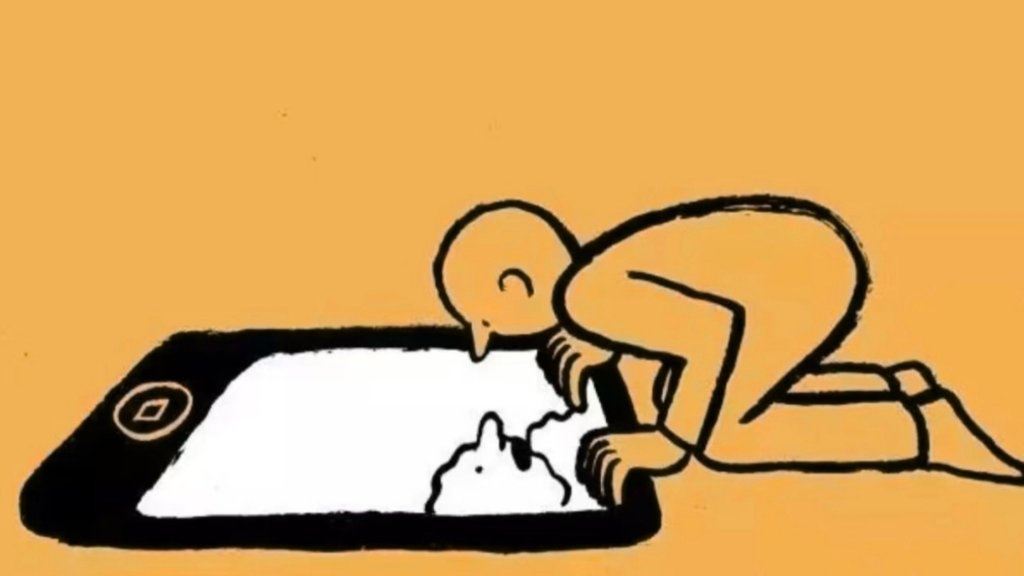
In 1975, Kodak engineer Steve Sasson built the first digital camera. The executives saw it and understood the implication: this could transform photography. Kodak was not just a company. It was a story: the film company. That story carried immense expectations. So they shelved the future they had just invented. Not because they lacked imagination, but because they were trapped by what they believed they had to remain.
1975年,柯达工程师 Steve Sasson 发明了第一台数码相机。高管们看到了它,也立刻意识到其中的含义:这项技术可能会彻底改变摄影行业。柯达不只是一个公司,它还是一个故事——胶卷公司的故事,而这个故事承载着巨大的期待。于是,他们将自己刚刚创造出的未来搁置起来,并不是因为缺乏想象力,而是被他们必须成为什么的信念所困。
By the time they committed to digital, they were playing catch up in a market they created. In 2012 they filed for bankruptcy. The failure was not ambition. It was expectation. They could not betray the identity they thought they owed the world.
等到他们真正投入数码领域时,已经在自己开创的市场中落后追赶。2012年,柯达申请破产。失败的原因不是野心,而是期待。他们无法背叛自己以为必须对世界承担的身份。
Before anything else, you have to see the expectations you are obeying. Psychologists call it reference dependence. Our perception of outcomes depends not on absolute value but on deviation from what we expected. A product growing 10% month over month feels like success if you expected 5%, and failure if you expected 20%.
在做任何事情之前,你必须先看清自己正在服从哪些期待。心理学家称之为“参照依赖”:我们对结果的感受,并不取决于绝对值,而取决于它与预期之间的偏差。一个产品如果月增长 10%,当你原本只期待 5% 时,这会被视为成功;但如果你期待的是 20%,同样的结果就会被视为失败。
The reality is identical. The suffering is entirely constructed. Expectation becomes violent when its source is unexamined. Is it coming from genuine constraints, from users, from the market, or from a story you absorbed about what someone like you must achieve? Pip never questions where his expectations come from. Kodak never questions who decided they must remain a film company. The first step is simply to see the script you are running.
现实完全相同,痛苦却是被建构出来的。当期待的来源未经审视时,它就会变得具有暴力性。它究竟来自真实的限制、用户、市场,还是你内化的一种关于像你这样的人必须取得什么成就的故事?Pip从未质疑过自己的期待从何而来,柯达也从未质疑是谁决定他们必须永远是一家胶卷公司。第一步,只是看见你正在运行的那套脚本。
Once you see the expectations, the next move is to return to the problem itself. Pip’s life is quietly dictated by the identity “gentleman.” Kodak’s strategy is quietly dictated by the identity “film company.”
一旦你看清了这些期待,下一步就是回到问题本身。Pip的人生悄然被“绅士”这一身份所支配,柯达的战略也同样被“胶卷公司”这一身份所支配。
In both cases, the label starts to matter more than the underlying purpose. What problem do we exist to solve, independent of any labels we have collected? Kodak’s true purpose was simple: help people capture and preserve memories.
在这两种情况下,标签开始比底层目的更重要。抛开我们积累的所有身份标签,我们究竟是为了解决什么问题而存在的?柯达真正的使命其实很简单:帮助人们记录并保存记忆。
If they had let that problem define them more than the “film” identity, digital imaging would have been an obvious continuation, not a betrayal. When you allow inherited identity to dominate, curiosity shrinks. You stop exploring and start preserving an image.
如果他们让这个问题而不是“胶卷”身份来定义自己,数码影像本该是顺理成章的延续,而不是一种背叛。当继承而来的身份占据主导,人的好奇心就会萎缩,你不再探索,而是开始维护一种形象。
Once you are re-centered on the problem, you can decide what you are actually committed to. Expectation says: you must become this, or you are insufficient. Commitment says: you choose this direction because it aligns with what matters.
当你重新以问题为中心,就可以决定自己真正投入和承诺的是什么。期待在说:“你必须成为这样,否则你就不够好。”而承诺在说:“你选择这条路,是因为它与你真正重视的东西一致。”
Companies governed by expectation chase trends and measure every release by how well it performs as a signal of success. Companies governed by commitment ask whether a move deepens the usefulness or integrity of the product. That is the difference between performance and purpose. Kodak’s decisions were anchored to performance narratives about being a film giant. A commitment to the core problem would have made digital feel like fidelity, not treason.
被期待驱动的公司追逐趋势,用每一次发布的表现来证明成功与否;被承诺驱动的公司则会问,这个决定是否让产品变得更有用、更有完整性。这就是绩效与使命之间的区别。柯达的决策锚定在“胶卷巨头”的绩效叙事上,如果他们真正承诺的是核心问题,数码化会显得是忠于使命,而不是背叛。


