
土壤疗法细菌重塑大脑防衰退Soil whispers secrets to youraging brain
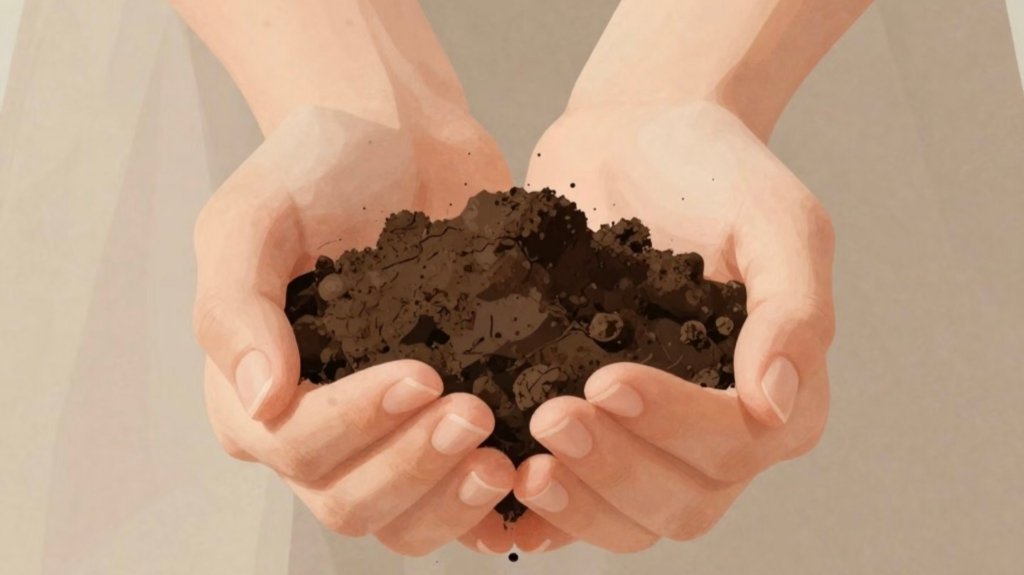
The Soil Prescription: How Getting Dirty Can Rewire Your Anxious Brain
你正在凌晨三点再次刷着「末日滚动」,胸口感到熟悉的压抑。世界吵闹不堪,思绪杂乱无章,未来充满不确定。如果我告诉你,解药不在另一个冥想应用或心理治疗中,而是在你脚下的泥土里,你会怎么想?
You’re scrolling through another 3 AM doomscroll session, feeling that familiar tightness in your chest. The world feels too loud, your thoughts too scattered, your future too uncertain. What if I told you the antidote isn’t in another meditation app or therapy session, but in the dirt beneath your feet?
你正在凌晨三点再次刷着「末日滚动」,胸口感到熟悉的压抑。世界吵闹不堪,思绪杂乱无章,未来充满不确定。如果我告诉你,解药不在另一个冥想应用或心理治疗中,而是在你脚下的泥土里,你会怎么想?
Your brain isn’t broken—it’s just missing a specific bacteria that’s been evolutionarily programmed to calm it down. Meet Mycobacterium vaccae, the microscopic hero living in healthy garden soil.
你的大脑并没有坏——它只是缺少了一种在进化过程中被编程来使其平静的特定细菌。认识一下牛型分枝杆菌,这种微观英雄生活在健康的园土中。
When researchers at the University of Colorado discovered this bacterium in 2022, they found something remarkable: it stimulates serotonin production in the brain with the same efficiency as antidepressants, but without the side-effects. This isn’t just “nature feels good” pseudoscience—it’s neurochemistry.
2022年,科罗拉多大学的研究人员发现这种细菌时,他们有了一个惊人的发现:它能以与抗抑郁药相同的效率刺激大脑中的血清素产生,而且没有副作用。这并非简单的“亲近自然感觉良好”的伪科学,而是神经化学。
Consider Aja Yasir, a 28-year-old who turned to urban farming after her corporate job left her with crippling anxiety. “I started with one pot of basil on my fire escape,” she shares. “Within three months, I had transformed an abandoned lot into a community garden. The soil literally grounded me when nothing else could.”
以28岁的阿贾·亚西尔为例,她的企业工作让她饱受严重焦虑症的困扰,之后她转向了都市农耕。“我从消防通道上的一盆罗勒开始,”她分享道。“不到三个月,我就把一块废弃的空地变成了一个社区花园。当其他一切都无效时,土壤实实在在地让我安定下来。”
The dementia prevention statistic you’ve heard—50% risk reduction—comes from a 2023 longitudinal study tracking 800 older adults for 15 years. But here’s what they don’t tell young people: the benefits start immediately. Gardening works through two parallel pathways:
你听说过的预防痴呆症统计数据——风险降低50%——来源于2023年一项为期15年、追踪800名老年人的纵向研究。但他们没有告诉年轻人的秘密是:这些益处是立竿见影的。园艺通过两条平行的途径发挥作用:
- Physical Flow: The rhythmic motions of digging, planting, and weeding increase blood flow to the prefrontal cortex by 15-20%, the same region responsible for executive function and emotional regulation. This isn’t just “exercise”—it’s targeted brain irrigation.
- 身体律动:挖土、种植和除草的节奏性动作能将血液流向前额叶皮层增加15-20%,该区域负责执行功能和情绪调节。这不仅仅是“锻炼”——它是对大脑的靶向灌溉。
- Microbial Rewiring: When Mycobacterium vaccae enters your system (through skin contact or inhalation), it activates the microbiome-gut-brain axis. Think of it as installing a software update for your nervous system—one that reduces cortisol spikes and enhances neuroplasticity.
- 微生物重塑:当牛型分枝杆菌进入你的身体(通过皮肤接触或吸入)时,它会激活微生物-肠-脑轴。把它想象成给你的神经系统安装一个软件更新——一个能减少皮质醇峰值并增强神经可塑性的更新。
Tim Ford, a 24-year-old who battled pandemic-induced depression, describes it this way: “Gardening gave me what therapy couldn’t—a tangible cycle of growth and decay. Watching seeds become plants taught my brain that progress isn’t linear, and that’s okay.”
24岁的蒂姆·福特曾与疫情引起的抑郁症抗争,他这样描述道:“园艺给了我治疗无法给予的东西——一个切实的生长与衰败的循环。看着种子长成植物,我的大脑明白进步并非线性,这也没关系。”
Here’s the cognitive dissonance we need to address: We spend billions on mental health apps and supplements while ignoring the free, scientifically-validated therapy in every patch of soil. A 2024 study from the University of Edinburgh found that young adults who gardened regularly showed 40% lower anxiety scores than their non-gardening peers—and the effects were measurable within eight weeks.
这是我们需要解决的认知失调:我们花费数十亿美元在心理健康应用和补充剂上,却忽视了每一块土壤中免费且经过科学验证的疗法。爱丁堡大学2024年的一项研究发现,经常园艺的年轻人比不园艺的同龄人焦虑评分低40%——而且这些效果在八周内即可衡量。
24-Hour Reset: Find one square foot of earth. It could be a park, a community garden, or even a potted plant from the hardware store. Spend 20 minutes with your hands in it. Don’t garden “perfectly”—just be present with the texture, the smell, the life.
24小时重置:找一平方英尺的土地。它可以是一个公园、一个社区花园,甚至是五金店里的一盆土。花20分钟把手伸进去。不要追求“完美”的园艺——只需感受泥土的质地、气味和生命。
7-Day Rewiring: Plant something that grows fast—radishes or microgreens work perfectly. Each day, check its progress. You’re not just growing plants; you’re training your brain to notice incremental change, a skill that counteracts the “all-or-nothing” thinking common in anxiety.
7天重塑:种一些快速生长的植物——萝卜或微型蔬菜都很合适。每天检查它的生长进度。你不仅仅是在种植植物;你是在训练你的大脑去留意渐进式变化,这项技能可以对抗焦虑症中常见的“全有或全无”思维。
30-Day Transformation: Join or start a community gardening project. The social connection combined with soil exposure creates what researchers call the “triple benefit effect”—physical activity, microbial benefits, and social bonding all working synergistically.
30天蜕变:参加或启动一个社区园艺项目。社交联系与土壤接触相结合,创造了研究人员所称的“三重益处效应”——体力活动、微生物益处和社交联系协同作用。
Mycobacterium vaccae doesn’t just prevent cognitive decline in old age—it builds cognitive resilience right now. In a world that constantly demands you optimize, produce, and achieve, soil offers the radical permission to simply be. The bacteria aren’t fixing you; they’re reminding your nervous system of its original programming: to thrive in connection with the earth.
牛型分枝杆菌不仅能预防老年认知衰退,它现在就能建立认知韧性。在一个不断要求你优化、产出和实现的世界里,土壤提供了一种彻底的许可,让你能够简单地存在。这些细菌不是在修复你;它们是在提醒你的神经系统其原始程序:与大地连接,茁壮成长。
Your next antidepressant might not come in a prescription bottle, but in a bag of potting soil. The question isn’t whether you have time to garden—it’s whether you can afford not to, when the alternative is a brain starved of the very microbes it evolved with. The soil is waiting. Your serotonin receptors are ready. All that’s missing is your hands, getting deliberately, wonderfully dirty.
你的下一剂抗抑郁药可能不会装在药瓶里,而是在一袋盆栽土中。问题不在于你是否有时间园艺,而在于你是否能承受不园艺的代价,因为不园艺的替代方案是一个大脑会缺乏它所进化的微生物。土壤在等待。你的血清素受体已准备就绪。缺的只是你的双手,去刻意地、美妙地沾染泥土。


