
隐形习惯正在主宰你的生活Invisible Habits Are DrivingYour Life
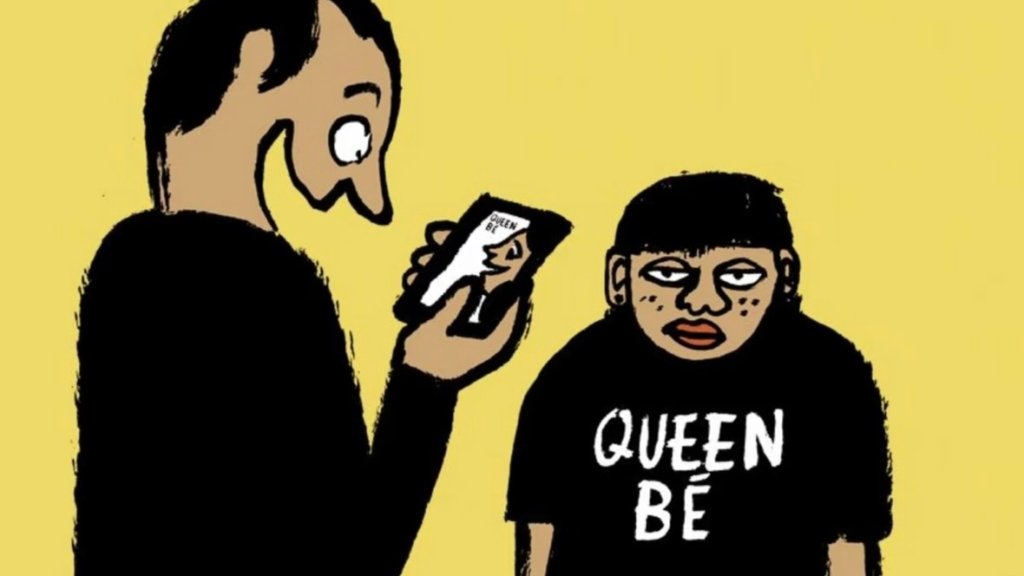
You probably remember when you took your last shower, but if I ask you to examine your routine more closely, you might discover some blank spots. Which hand do you use to pick up the shampoo bottle? Which armpit do you soap up first?
你或许记得自己上次洗澡是什么时候,但如果我让你更仔细地审视自己的洗澡流程,你可能会发现一些记忆空白点。你会用哪只手拿起洗发水瓶子呢?你会先洗哪个腋窝呢?
Bathing, brushing your teeth, driving to work, making coffee—these are all core habits. In 1890, the psychologist William James observed that living creatures are nothing if not “bundles of habits.” Habits, according to James’s worldview, are a bargain with the devil. They make life easier by automating behaviors you perform regularly. (I would rather attend to what I read in the news on a given morning, for example, than to the minutiae of how I steep my daily tea.) But once an action becomes a habit, you can lose sight of what prompts it, or if you even like it very much. (Maybe the tea would taste better if I steeped it longer.)
洗澡、刷牙、开车上班、冲咖啡——这些都是核心习惯。1890年,心理学家威廉·詹姆斯观察到,生物无非就是”习惯的集合体”。在詹姆斯的世界观里,习惯是与魔鬼的交易。它们通过将我们经常进行的行为自动化,让生活变得更轻松。(例如,在某个早晨,我更愿意关注新闻里的内容,而不是关注我每天泡茶的细枝末节。)但一旦某个行为变成了习惯,你可能就会忽略是什么促使你这么做的,甚至都不清楚自己是否还很喜欢这么做。(也许我把茶泡久一点,味道会更好呢。)
Around the new year, countless people pledge to reform their bad habits and introduce new, better ones. Yet the science of habits reveals that they are not beholden to our desires.
每到新年之际,无数人都会承诺改掉自己的坏习惯,养成新的、更好的习惯。然而,习惯科学显示,习惯并不受我们意愿的支配。
“We like to think that we’re doing things for a reason, that everything is driven by a goal,” Wendy Wood, a provost professor emerita who studies habit at the University of Southern California, told me. But goals seem like our primary motivation only because we’re more conscious of them than of how strong our habits are.
“我们往往认为自己做事情是有缘由的,认为一切行为都是受目标驱动的,”在南加州大学研究习惯的荣休教务长教授温迪·伍德对我说。但目标似乎只是我们的主要动机,因为相较于习惯的强大影响力,我们对目标的感知更为明显。
In fact, becoming aware of your invisible habits can boost your chances of successfully forming new, effective habits or breaking harmful ones this resolution season, so that you can live a life dictated more by what you enjoy and less by what you’re used to.
事实上,在这个立下新年决心的时节,意识到自己那些无形的习惯能够增加你成功养成新的、有益习惯或者改掉有害习惯的几率,这样你就能过上更多由自己喜爱之事而非习惯之事所支配的生活。
James was prescient about habits, even though he described them more than 100 years ago.
詹姆斯对习惯很有先见之明,尽管他早在100多年前就对其进行了描述。
Habitual action “goes on of itself,” he wrote. Indeed, modern researchers have discerned that habits are practically automatic “context-response associations”—they form when people repeat an action cued by some trigger in an environment. After you repeat an action enough times, you’ll do it mindlessly if you encounter the cue and the environment. “That doesn’t mean that people have no recollection of what they did,” David Neal, a psychologist who specializes in behavior change, told me. “It just means that your conscious mind doesn’t need to participate in the initiation or execution of the behavior.”
他写道,习惯性行为 “会自行延续”。的确,现代研究人员已经发现,习惯实际上是自动的 “情境—反应关联” —— 当人们在某个环境中因某种触发因素重复某个行为时,习惯就形成了。当你将某个行为重复足够多次后,只要遇到相应的提示以及处于特定环境中,你就会下意识地做出该行为。“这并不意味着人们不记得自己做了什么,”专门研究行为改变的心理学家大卫·尼尔对我说,“它只是意味着你的有意识思维无需参与行为的发起或执行过程。”
Our conscious goals might motivate us to repeat a particular behavior, and so serve as the spark that gets the habit engine going. In fact,
我们有意识的目标可能会激励我们重复某个特定行为,从而成为启动习惯引擎的火花。事实上,
“people who are best at achieving their goals are the ones who purposefully form habits to automate some of the things that they do,” Benjamin Gardner, a psychologist of habitual behavior at the University of Surrey, told me. He recently enacted a flossing habit by flossing each day in the same environment (the bathroom), following the same contextual cues (brushing his teeth). “There are days when I think, I can’t remember if I flossed yesterday, but I just trust I definitely did, because it’s such a strong part of my routine,” he said.
“最善于实现目标的人是那些有意养成习惯,将自己所做之事中的一部分自动化的人,”萨里大学习惯行为心理学家本杰明·加德纳对我说。他最近养成了用牙线清洁牙齿的习惯,每天都在相同的环境(浴室)中,遵循相同的情境提示(刷牙)来使用牙线。“有些时候我会想,我都不记得昨天有没有用牙线了,但我就是相信自己肯定用了,因为这已经成了我日常惯例中很牢固的一部分了,”他说。
But even habits that are deliberately begun are worth reevaluating every so often, because once they solidify, they can break away from the goals that inspired them. If our goals shift, context cues will still trigger habitual behavior.
但即便是刻意养成的习惯也值得时不时地重新审视,因为一旦它们稳固下来,就可能会脱离当初激发它们形成的目标。如果我们的目标发生了变化,情境提示仍会触发习惯性行为。
A 1998 meta-analysis found that intentions could predict only actions that are done occasionally, such as getting a flu shot, and not actions that were repeated regularly, such as wearing a seat belt.
1998年的一项元分析发现,意图只能预测偶尔为之的行为,比如接种流感疫苗,而无法预测经常重复的行为,比如系安全带。
In one study from 2012, students who often went to a sports stadium raised their voices when they saw an image of that stadium, even if they didn’t intend to.
在2012年的一项研究中,经常去体育场的学生看到那个体育场的图片时,即便他们没这个打算,也会提高说话音量。
And scientists have shown that habitual behaviors and goal-directed behaviors involve different pathways in the brain.
而且科学家已经表明,习惯性行为和目标导向行为在大脑中涉及不同的神经通路。
When an action becomes a habit, it becomes more automatic and relies more on the sensorimotor system.
当一个行为变成习惯后,它就变得更加自动,更多地依赖感觉运动系统。
When scientists damage the parts of animals’ brains that are related to goal-directed behavior, the animals start behaving more habitually. (There remains some debate, however, about whether any human action can truly be independent from goals.)
当科学家破坏动物大脑中与目标导向行为相关的部分时,动物就会开始更多地依照习惯行事。(不过,关于人类的任何行为是否真的能独立于目标,仍存在一些争议。)
And yet, people tend to explain their habitual behavior by appealing to their goals and desires. A 2011 study found that people who said they’d eat when they got emotional weren’t actually more likely to snack in response to negative feelings; eating behaviors were better explained by habit. In a 2022 study, Wood and her colleagues asked people why they drank coffee. The participants said they did so when they were tired, but in fact, when they logged their coffee drinking, it was only weakly correlated with their fatigue. “They didn’t have a desire to drink coffee,” Wood said. “It was just the time when they typically did during the day.”
然而,人们往往会通过诉诸自己的目标和愿望来解释自己的习惯性行为。2011年的一项研究发现,那些声称自己在情绪激动时会吃东西的人,实际上并不会更倾向于在负面情绪下吃零食;饮食行为用习惯来解释更为合理。在2022年的一项研究中,伍德及其同事询问人们喝咖啡的原因。参与者表示他们在疲倦时会喝咖啡,但实际上,当他们记录自己喝咖啡的情况时,发现喝咖啡与疲劳之间的关联性很弱。“他们并没有喝咖啡的欲望,”伍德说,“只是到了一天中他们通常会喝咖啡的那个时间点而已。”
Habits also maintain their independence by not being as sensitive to rewards. If you don’t like something the first time you try it, you probably won’t repeat the experience. But habits can persist even if their outcome stops being pleasing. In one study Wood worked on with Neal and other colleagues, people with a habit of eating popcorn at the movies ate more stale popcorn than those without the habit. Those with a popcorn habit reported later that they could tell the popcorn was gross, but they just kept eating it. “It’s not that they are totally unaware that they don’t like it,” Wood said. “The behavior continues to be triggered by the context that they’re in.” It’s not so terrible to endure some stale popcorn, but consider the consequences if more complex habitual actions—ones related to, say, work-life balance, relationships, or technology—hang around past their expiration date.
习惯还通过对奖励不那么敏感来保持其独立性。如果你第一次尝试某样东西时不喜欢它,那你很可能就不会再重复那种体验了。但习惯即便其结果不再令人满意,也可能会持续存在。在伍德与尼尔及其他同事合作开展的一项研究中,有在电影院吃爆米花习惯的人,比没有这一习惯的人吃了更多不新鲜的爆米花。那些有吃爆米花习惯的人后来表示,他们能分辨出爆米花很难吃,但就是继续吃下去了。“并不是说他们完全没意识到自己不喜欢,”伍德说,“而是所处的情境会持续触发这种行为。”吃点不新鲜的爆米花倒也不算太糟糕,但想想看,如果更复杂的习惯性行为 —— 比如与工作生活平衡、人际关系或者科技相关的习惯 —— 过了有效期还继续存在,那后果可就严重了。
In the face of invisible habits, awareness and attention are powerful weapons.
面对无形的习惯,觉察和关注是有力的武器。
In a recent study, Gardner asked people who slept fewer than six hours a night to describe their bedtime routines in detail. Doing so revealed pernicious bedtime habits they weren’t aware of before. James Clear, the author of Atomic Habits, has similarly suggested making a “Habits Scorecard,” a written list of all of your daily habits that includes a rating of how positively, negatively, or neutrally they affect your life.
在最近的一项研究中,加德纳让每晚睡眠不足六小时的人详细描述他们的睡前惯例。这么做揭示了他们此前未曾意识到的有害睡前习惯。《掌控习惯》的作者詹姆斯·克利尔也提出了类似的建议,即制作一份”习惯记分卡”,将你所有的日常习惯列成书面清单,并对它们如何积极、消极或中性地影响你的生活进行评级。
Neutral habits, such as the timing of my yoga session, can be hardest to take stock of. And if they’re just humming along making your life easier, identifying them might feel pointless. But because habits won’t always have your latest intentions in mind, it’s worth keeping an eye on them to make sure they don’t start working against you. Like it or not, people are destined to be bundled up with habits.
中性习惯,比如我做瑜伽的时间安排,可能是最难评估的。而且如果它们只是平稳运行,让你的生活更轻松,识别它们可能会感觉没什么意义。但由于习惯并不会总是顾及你最新的意图,所以留意它们以确保它们不会开始对你不利还是很有必要的。不管喜欢与否,人们注定与习惯紧密相连。
But knowing how they work—simply becoming aware of how unaware of them we can be—can help get you to a life with as little stale popcorn as possible.
但了解习惯的运作方式——仅仅是意识到我们可能对习惯有多么浑然不觉——就能帮你过上尽可能少出现“不新鲜爆米花”情况的生活。


