
史上伟大思想家的11句幽默语录11 of the Funniest Quotes From the Greatest Thinkers in History
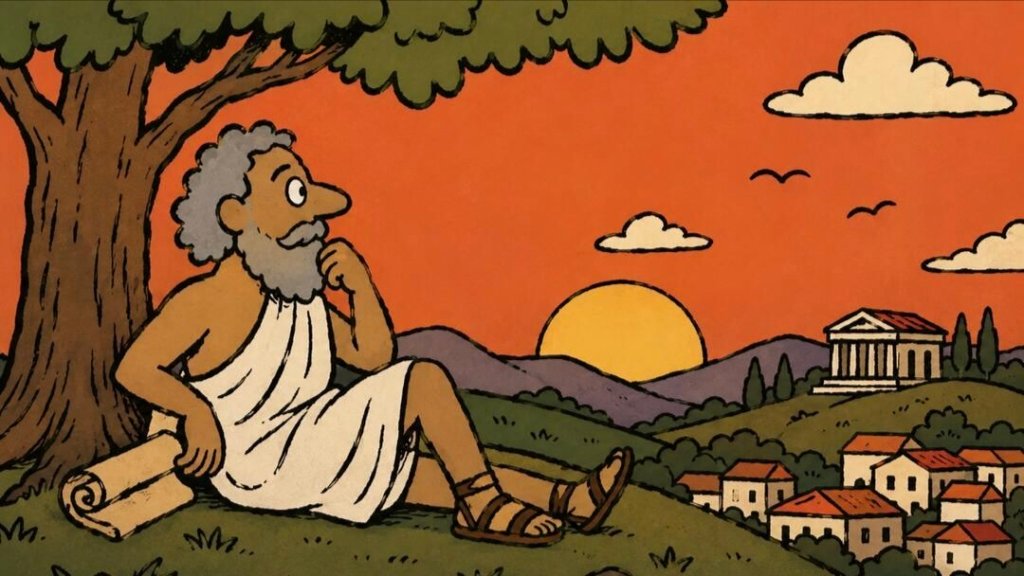
“The old believe everything, the middle-aged suspect everything, the young know everything.” — Oscar Wilde. Wilde’s statement humorously critiques the characteristic attitudes of three stages of life, naivety, cynicism, and arrogance.
“老年人轻信一切,中年人怀疑一切,青年人什么都懂。”——奥斯卡·王尔德。王尔德的这句话,以极其幽默的方式精准抨击了人生三个阶段的典型态度:天真、愤世嫉俗与狂妄自大。
We evolve from youthful overconfidence and the feeling of intellectual invincibility, to the skepticism and doubt of middle age, to the trusting gullibility of old age. The young lack the life experience to realize how much they don’t actually know. The middle-aged have enough experience to know they can be deceived, leading to a state of constant questioning. And the old lack the energy required to maintain skepticism, readily accepting many falsities as the truth.
我们从年轻时的盲目自信和自认无所不知,演变到中年时的多疑与摇摆,最后走向老年时易受蒙骗的轻信。年轻人因为缺乏阅历,意识不到自己的无知;中年人由于见识了太多的欺瞒,从而陷入不断质疑的状态;而老年人则缺乏保持怀疑所需的精力,往往顺从地将许多谬误当作真理。
“To succeed in life, you need two things: ignorance and confidence.” — Mark Twain. Why is it that some of the most ignorant people seem to be the most confident? Probably because they don’t know that they don’t know and see no reason to doubt themselves. Knowledge often brings awareness of obstacles while ignorance allows a person to bypass many of the paralyzing fears that come from imagined “what if” scenarios. And with confidence as an engine for action, there is no limit to what a fearless person can accomplish.
要在生活中获得成功,你只需要两样东西:无知与自信。——马克·吐温。为什么有些极其无知的人反而看起来自信满满?或许是因为他们根本不知道自己一无所知,自然也找不到自我怀疑的理由。知识往往会让人看清前方的障碍,而无知则能帮人绕开那些由“万一怎样”的假想所带来的瘫痪性恐惧。只要将自信作为行动的引擎,一个无所畏惧的人所能取得的成就是无可限量的。
“By all means, marry. If you get a good wife, you will be happy. If you get a bad one, you will be a philosopher.” — Socrates. One of the wisest men in history, Socrates was known for not taking himself too seriously and often used self-deprecating humour to make light of life’s challenges.
无论如何都要结婚。如果娶到一位好妻子,你会很幸福;如果娶到一位悍妇,你会成为哲学家。——苏格拉底。作为历史上最充满智慧的人之一,苏格拉底从不端着架子,他经常用自嘲式的幽默来化解生活中的难题。
His wife, Xanthippe, was notorious for her harsh temper. According to legend, after she finished a particularly long shouting match and dumped a bucket of water over his head, Socrates simply wiped his face and said, “I knew that after so much thunder, there would eventually be rain.”
他的妻子赞西佩以脾气暴躁而闻名。相传,在结束了一场漫长的咆哮后,她直接把一桶水泼在了苏格拉底的头上,而他只是淡定地抹了把脸说:“我就知道,雷声大作之后必有倾盆大雨。”
“Only two things are infinite, the universe and human stupidity, and I’m not sure about the former.” — Albert Einstein. Einstein actually struggled with the question of whether the universe was infinite or finite but unbounded, like the surface of a sphere, which has no end but isn’t infinitely large. The humour of the quote actually aligns with this uncertainty, jokingly suggesting that human stupidity is boundless and more reliable than the actual laws of physics.
“只有两件事是无限的,宇宙和人类的愚蠢,而对于前者我还不确定。”——阿尔伯特·爱因斯坦。爱因斯坦其实一直在这个问题上纠结:宇宙到底是无限的,还是有限却无界的(就像球体的表面一样没有尽头,但体积并非无穷大)。这句话的幽默之处恰好契合了这种物理学上的不确定性,他用开玩笑的口吻暗示,人类的愚蠢是无边无际的,甚至比实际的物理定律还要“稳定发挥”。
“If anyone tells you that such a person speaks ill of you, don’t make excuses about what is said of you, but answer: ‘He does not know my other faults, else he would not have mentioned only these.'” – Epictetus. Epictetus’s stoic philosophy teaches that when you defend yourself from an insult, you give it power. You signal that the other person’s opinion is important enough to warrant a debate. Instead, if you don’t offer a rebuttal, you immediately end the conflict. Adding a little humour and suggesting you are actually worse than your critic claims, you take away their power to insult you further. It is hard to shame someone who is standing in a position of total self-acceptance.
“如果有人告诉你某人在说你的坏话,不要为这些话辩解,只需回答:‘他肯定不了解我的其他缺点,否则绝不会只提这几个。’”——爱比克泰德。这位斯多葛学派哲学家的思想揭示了:当你面对侮辱并急于辩护时,你反而赋予了它力量。因为这传递出一个信号—对方的观点非常重要,甚至值得你去争论。相反,如果你不去反驳,冲突就会瞬间化解。稍微加点幽默感,顺势暗示自己其实比批评者所说的还要糟糕,你就彻底剥夺了他们继续侮辱你的权力。想要羞辱一个完全接纳自我的人,是极其困难的。
“It’s true hard work never killed anybody, but I figure, why take the chance?”-Ronald Reagan. While the quote sounds like an endorsement of laziness, it was actually a strategic tool Reagan used throughout his political career. Using a lighthearted, self-deprecating tone he projected a relatable and relaxed personality of the “everyman.” At the time, critics often accused Reagan of being lazy and working short hours as a president. Instead of getting angry, he leaned into the joke. This made his critics’ attacks look mean-spirited while making him seem confident and unbothered. Like Epictetus, it looks like Reagan was also practicing stoic wisdom.
“努力工作确实从未死过人,但我想,何必去冒这个险呢?”——罗纳德·里根。虽然这句话听起来像是在为懒惰辩护,但这其实是里根在整个政治生涯中惯用的一种策略。通过轻松自嘲的语调,他成功塑造了一个平易近人、心态放松的“普通人”形象。当时,批评者经常指责他懒散且作为领导人工作时间过短。他非但没有动怒,反而顺势调侃了起来。这使得批评者的攻击显得尖酸刻薄,而他自己则显得自信且毫不在意。就像爱比克泰德一样,里根似乎也在践行着斯多葛学派的智慧。
“Democracy is the worst form of Government except for all those other forms that have been tried from time to time.”-Winston Churchill. This one’s an absolute classic. Churchill’s clever, pragmatic remark acknowledges that democracy is flawed, messy, and inefficient. He argues that it is still superior to any other system humanity has ever attempted, such as tyranny, fascism, or absolute monarchy. Who can criticize democracy when there is simply no better alternative?
“这种大众参与的治理形式是最糟糕的体制,除了那些已经被时不时尝试过的其他形式之外。”——温斯顿·丘吉尔。这是一句绝对的经典。丘吉尔用这句机智而务实的话承认了现有体制是存在缺陷、混乱且低效的。但他认为,它依然优于人类曾经尝试过的任何其他体系,例如暴政、法西斯主义或绝对君主制。当根本没有更好的替代方案时,谁又能苛责现存的制度呢?
“I have noticed even people who claim everything is predestined··· look before they cross the road.” — Stephen Hawking. Hawking uses a simple, everyday observation to point out a fundamental logical inconsistency in how people live versus what they claim to believe. In a practical sense everyone still behaves as if their life and future are under their direct control. Human nature is fundamentally built on the assumption of choice and agency and no one actually lives as if they believe in total predestination.
“我注意到,即使是那些声称一切命中注定的人……在过马路之前也会左右看一看。”——斯蒂芬·霍金。霍金用一个简单的日常观察,指出了人们的生活方式与他们声称的信仰之间存在的根本逻辑矛盾。在实际操作中,每个人依然表现得好像他们的生活和未来完全由自己掌控一样。人类的本性从根本上建立在拥有选择权和自主权的前提之上,并没有人真正活得像他们坚信“一切皆有定数”那样。
“Opportunity is missed by most people because it is dressed in overalls and looks like work.” — Thomas Edison.
“大多数人之所以错失良机,是因为它穿着工作服,看起来就像是在干苦力。”——托马斯·爱迪生。
Most people are looking for opportunity to look like a lucky break, a shortcut, or a sudden windfall. Because they aren’t looking for a job to do, they walk right past the very thing that would make them successful. In Edison’s view, you don’t find success. You build it through the “perspiration” he famously mentioned in his other very famous inspirational quote “Success is 1 percent inspiration and 99 percent perspiration.”
绝大多数人期待的机会,往往带着好运、捷径或天降横财的面具。由于他们不是在寻找一份踏踏实实的工作,所以他们就这样与能让他们获得成功的东西擦肩而过。在爱迪生看来,成功不是“找”来的,而是靠“汗水”浇灌出来的——正如他在另一句著名的励志名言中所说:“天才就是1%的灵感加上99%的汗水。”
“The truth is simple. If it was complicated, everyone would understand it.” ——Walt Whitman. Whitman is ironically pointing out that human beings have a tendency to overthink or overcomplicate life. We sometimes mistake complexity for depth and overlook genuine truth because we expect it to be difficult or hidden. Like Edison, Whitman uses the statement to burst the bubble of our expectations. A simple quote conveys a simple truth.
“真理很简单。如果它很复杂,那所有人都听懂了。”——沃尔特·惠特曼。惠特曼极具讽刺意味地指出,人类有一种过度思考或把生活复杂化的倾向。我们有时会把复杂误认为是深刻,从而忽略了真正的真理,因为我们潜意识里认为真理必然是晦涩难懂或深藏不露的。和爱迪生一样,惠特曼用这句话戳破了我们不切实际的幻想。一句简单的名言,传达了一个简单的事实。
“Remember, today is the tomorrow you worried about yesterday.” — Dale Carnegie. Carnegie’s quote exposes the absurdity of chronic worrying. It is a reminder that the catastrophic future you might have been losing sleep over yesterday has arrived and you are likely handling it just fine. It highlights how much mental energy we waste on things that haven’t happened yet. Most of the things we dreaded yesterday either didn’t happen today, or they weren’t as bad as we imagined. Humor is a sign of intelligence. Is it any wonder therefore that some of the smartest people in history were also the funniest? The timeless wisdom of great thinkers often lies in their ability to satirize both themselves and the human experience, leaving us with quotes that are as relevant today as ever. Which one was your favorite?
“记住,今天就是你昨天曾为之担忧的明天。”——戴尔·卡耐基。卡耐基的这句话毫不留情地揭穿了长期焦虑的荒诞性。它提醒我们:那个让你昨晚彻夜难眠、以为会如同灾难般降临的未来,现在已经到了,而你很可能应对得游刃有余。这凸显了我们在尚未发生的事情上,到底浪费了多少精力。我们昨天所恐惧的大部分事情,今天不仅没有发生,甚至根本没有我们想象的那么糟。幽默是高智商的体现。因此,历史上那些最聪明的大脑同时也是最风趣的人,这又有什么好奇怪的呢?伟大思想家们永恒的智慧,往往在于他们既能调侃自己,又能讽刺人类共同的经历,从而为我们留下了在今天依然闪闪发光的语录。哪一句才是你的最爱呢?
purfiles.com » 史上伟大思想家的11句幽默语录11 of the Funniest Quotes From the Greatest Thinkers in History


