AI 真的会让脑子生锈吗 Is ChatGPT Really Rotting Our Brains?
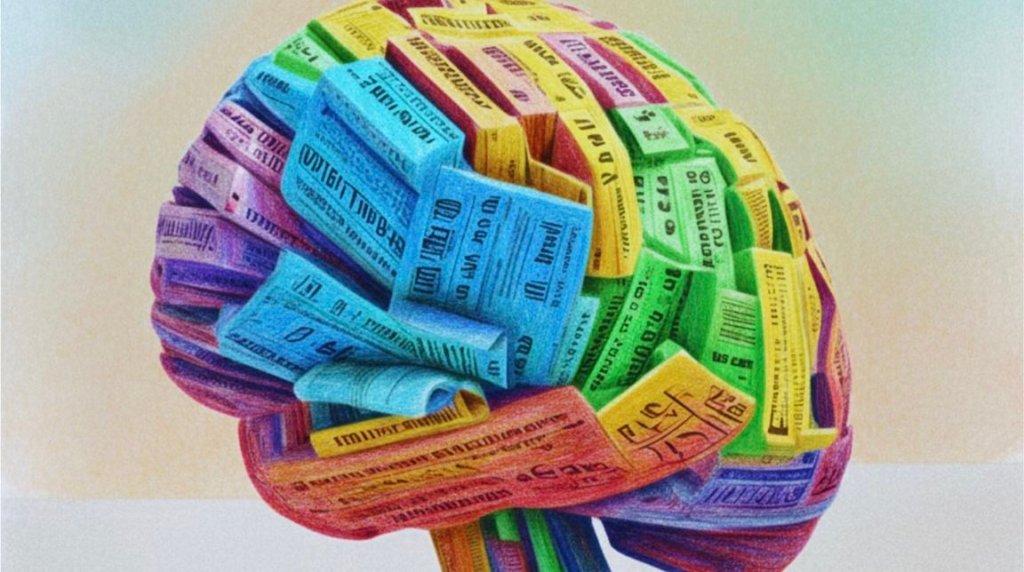
Generative AI has become part of everyday life for millions of people. We use it to polish emails, brainstorm ideas, write essays, and even as a coach or therapist. But as we hand over more of our thinking to AI, some have begun to wonder whether we’re paying a hidden price.
生成式 AI 已经成为无数人日常生活的一部分。我们用它润色邮件、启发思路、写论文,甚至把它当成教练或心理咨询师。但当我们将越来越多的思考任务交给 AI 时,一些人开始担心:我们是否在付出某种看不见的代价?
A recent study from MIT has fueled this debate, with headlines wondering whether ChatGPT may rot your brain. People are worried this technology is eroding critical thinking. Others say these claims are just scaremongering.
最近,麻省理工学院(MIT)的一项研究引发了热议,不少标题大呼“ChatGPT 可能会让人的大脑生锈”。有人担心这项技术正在侵蚀批判性思维,而另一部分人则认为这纯属危言耸听。
What does the science actually say? As a neuroscientist, I might be able to help break it down. Let’s take a closer look at what this study found (and what it didn’t).
科学事实究竟如何?作为一名神经科学家,我或许可以帮你理清头绪。让我们仔细看看这项研究到底发现了什么,又有哪些局限。
Inside the study
走进这项研究
Over the course of several months, researchers at MIT asked 54 students to write a series of essays. Participants were divided into three groups:
在几个月的时间里,MIT 的研究人员要求 54 名学生撰写一系列文章。参与者分为三组:
LLM group: using ChatGPT for assistance
LLM 组:使用 ChatGPT 辅助写作。
Search Engine group: using Google without any AI help
搜索引擎组:使用 Google 搜索,不使用任何 AI 帮助。
Brain-only group: writing without any tools
纯脑力组:不使用任何工具独立写作。
As they wrote, the researchers monitored brain activity using EEG headsets. They also tested participants’ memory of their essays, scored the essays for quality, and asked participants how much the essays felt like their own work.
在参与者写作过程中,研究人员通过 EEG(脑电图)头戴设备监测他们的大脑活动。此外,研究人员还测试了参与者对文章内容的记忆情况,对文章质量进行了评分,并询问参与者对作品是否有“归属感”。
Here’s what they found:
以下是研究结果:
Brain activity: The Brain-only group showed the strongest and most widespread brain connectivity. The Search Engine group showed moderate engagement, while the LLM group showed the weakest brain connectivity.
大脑活跃度:纯脑力组表现出最强且最广泛的大脑连接。搜索引擎组表现中等,而 LLM 组的大脑连接最弱。
Memory recall: 89% of people in the Brain-only group gave accurate quotes versus 83% in the Search group. 0% in the LLM group managed to give an accurate quote.
内容回想:纯脑力组的内容复述准确率为 89%,搜索引擎组为 83%。而 LLM 组中没有人(0%)能准确复述自己写的内容。
Sense of ownership: ChatGPT users were more likely to say they felt little or no ownership over their work.
归属感:ChatGPT 用户更有可能表示对自己的作品几乎没有归属感。
Essay content: Human teachers described many of these essays as repetitive and lacking originality. Some even called them “soulless.”
内容质量:人类教师评价 AI 辅助写成的文章重复感强、缺乏原创性,甚至有人称其“毫无灵魂”。
Based on these findings, the researchers argued that over-reliance on AI tools could lead to “cognitive debt”—a kind of mental shortfall where people don’t engage deeply enough to learn or remember.
根据这些发现,研究人员认为过度依赖 AI 可能让用户欠下“认知债”(cognitive debt)。这是一种认知亏空:用户创作时参与不够深,无法有效学习或记忆相关内容。
Important Caveats
需要注意的局限性
It’s an interesting study, but there are important caveats to keep in mind. The study had a small sample size of just 54 participants, making it hard to generalize. Participants wrote short essays under tight time limits (20 minutes each), which doesn’t reflect how people use AI in everyday life.
虽然这项研究很有趣,但有几个局限性:样本量较少(仅 54 人),结论很难推及大众。此外,参与者是在 20 分钟的紧迫时间内撰写短文,这并不能反映现实中人们使用 AI 的真实状态。
This doesn’t mean the findings aren’t valuable! But they reflect a very specific setup and can’t really be taken as proof that AI is inherently harmful to our brains.
这并不意味着研究结果没有价值,但它们只是在特定实验条件下得出的结论,不能确切证明 AI 本质上对大脑有害。
Keeping your brain in the loop
让大脑保持在线,勤于思考
So what can we actually take from this study? Here are five practical tips:
我们能从中学到什么?以下是五个实用建议:
- Stay actively involved. Don’t let AI do all the thinking. That sense of effort is a signal you’re learning.
- 主动参与:别让 AI 包揽所有思考。那种“费劲”的感觉正是你在学习的信号。
- Use AI to challenge your thinking, not replace it. Ask AI to poke holes in your arguments rather than just generating answers.
- 用 AI 挑战思维,而非取代思考:让 AI 帮你找到论点的漏洞,而不是直接要答案。
- Write first, refine later. Draft your own ideas before asking AI to edit. This will increase your sense of ownership.
- 先写初稿,后用 AI:先自己打草稿,再让 AI 来编辑。这能增强你对自己作品的归属感。
- Be mindful of over-reliance. Be intentional if there’s something you’d like to keep on being able to do yourself.
- 警惕过度依赖:如果你想保留某项技能,请有意识地练习它。
- Experiment to find your sweet spot. Reflect on which approaches leave you feeling not just more productive but also more creative.
- 寻找平衡点:反思哪些协作方式让你觉得自己更有创造力,而不仅仅是提高了效率。
The real question isn’t whether you should use AI, but how you use it. Like any tool, it can either sharpen or dull your skills depending on your approach. Keep your brain in the loop, and AI can be a powerful partner instead of a crutch.
问题的关键不在于是否使用 AI,而在于如何使用这项技术。和任何工具一样,靠它能让技能更臻锋芒,还是任其生锈钝化,全看你如何驾驭。只要让大脑勤于思考,AI 就会是你得力的伙伴,而非离了就寸步难行的拐杖。


