
如何让自己变得快乐How To Be Happy
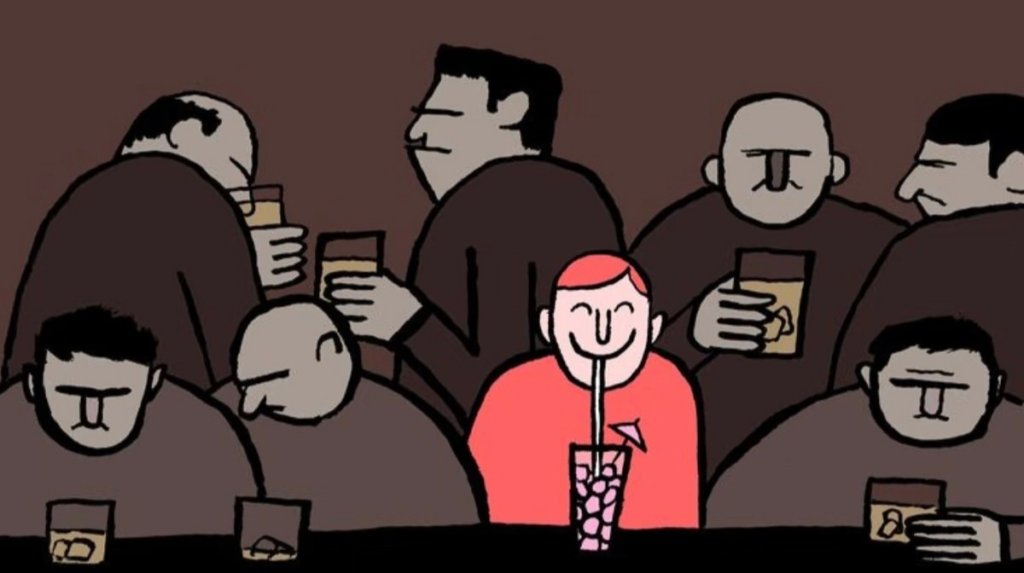
Research suggests that about 50% of our baseline happiness is genetic. This would also explain the heritability of depression, addiction, and negative personality traits such as neuroticism and lack of agreeableness.
研究表明,我们基线幸福感的50%与遗传相关。这也能解释抑郁症、成瘾和一些负面人格特质(如神经质和缺乏亲和力)的遗传性。
If dad was a miserable dick, unfortunately that means you’re predisposed to be a miserable dick.
如果爸爸是个不开心的家伙,不幸的是,这意味着你也有可能变得像他一样不开心。
The good news is that there’s still 50% of our baseline happiness we have control over. And in my opinion, almost none of us are maximizing that 50% of our baseline happiness. For many of us, it’s not even close.
好消息是,我们仍然可以控制剩下的50%的基线幸福感。在我看来,几乎没有人能最大化那50%的基线幸福感。对许多人来说,我们距离这个目标还很远。
Here’s the best way to think about it: Life is like driving a car. There are multiple destinations we can drive to, some of them pleasant, some of them unpleasant; some of them rich and exciting, some of them poor and horrifying. Everyone assumes that their happiness is determined by which destination they drive to.
这里有一个最好的比喻:生活就像开车。我们可以开车到多个目的地,其中一些愉快,一些不愉快;一些充满财富和刺激,一些贫穷而可怕。每个人都认为,他们的幸福感取决于他们开车到哪个目的地。
In fact, we’re so convinced of this that we spend most of our lives focused on driving to the best destination possible and getting there as quickly as possible, preferably quicker than anybody else.
事实上,我们深信不疑,以至于我们把大部分时间都花在努力驶向最好的目的地,并尽可能快地到达那里,最好比任何人都快。
But research shows that where we drive isn’t what makes us happy in the long run (as our psychological immune system showed us). In fact, what increases our baseline happiness is how much control we feel we have over driving.
但是研究表明,最终让我们感到幸福的,不是我们开车到哪里(正如我们的心理免疫系统所揭示的那样)。事实上,提升我们基线幸福感的关键是我们感受到多少掌控权。
People who feel they have little to no control over where they’re going experience low baseline levels of happiness regardless of the destinations and experiences they have along the way. People who feel they have complete control of where they’re going experience high baseline levels of happiness regardless of the quality of destinations they go to.
那些觉得自己几乎无法控制去向的人,无论他们经历什么样的目的地和经历,他们的基线幸福感都较低。而那些感觉自己完全掌控去向的人,无论他们到达什么样的目的地,他们的基线幸福感都很高。
You can be rich, famous, have everything you ever wanted, but if you feel like you had no control of it, like you didn’t deserve it or earn it, you will be miserable.
你可以很富有、很有名,拥有所有你曾经渴望的东西,但如果你觉得自己对这一切没有控制权,觉得自己不配或不值得拥有,那么你将会感到痛苦。
Ever wonder why so many celebrities and millionaires become addicts or even kill themselves? There you go.
你有没有想过,为什么那么多名人和百万富翁会变成瘾君子,甚至自杀?原因就在这里。
You can be middle-class, have few possessions, a bad job, but if you feel like you have control over your life and your destiny, then you will be happy. Surely you’ve met people like this in your life (if not, visit a third world country; you’ll be blown away by how happy many of the people are).
你可以是中产阶级,拥有很少的物品,工作也不理想,但如果你觉得自己能够掌控生活和命运,那么你会幸福。你一定见过这样的例子(如果没有,去第三世界国家看看;你会惊讶于许多人竟然如此快乐)。
So the trick is to learn how to take more control over our lives, to feel like we have more control on where we end up and how we get there. How do we do that? There are a few ways:
因此,诀窍是学会如何更好地掌控我们的人生,去感受到自己能够控制最终的去向以及如何到达那里。那么,我们该如何做到这一点呢?这里有几种方法:
- Take Responsibility for Everything in Your Life 1.为你生活中的一切承担责任
So the trick is to learn how to take more control over our lives, to feel like we have more control on where we end up and how we get there. How do we do that? There are a few ways:
你对生活中发生的一切负有责任。虽然你可能无法控制事情发生在你身上,但你始终可以掌控自己的应对方式。
That means the evil boss who treats you poorly, your car that keeps breaking down, not having enough money to move into your own apartment, being out of shape and unattractive, everything.
这意味着无论是那个对你态度恶劣的老板,还是总是坏掉的车,抑或是因为没钱搬到自己的公寓、不健康的身体、甚至不够吸引人的外貌——这些都归于你的责任。
Good things and bad things happen to all of us. What distinguishes each of us is how we harness what happens to us. Some people grow up in well-to-do families with everything handed to them and they end up being miserable and alone for most of their lives. Other people grow up being shot at in the ghetto, barely able to eat, and they become some of the happiest and most successful people on the planet. What’s the difference?
好事与坏事都会降临在我们每个人身上。而区分我们的,是我们如何利用这些事情。有些人出生在富裕家庭,从小得到一切,却最终痛苦孤独地度过大半人生。另一些人则从贫民区的枪林弹雨中长大,勉强果腹,却最终成为世上最幸福、最成功的人之一。区别在哪里?
You can’t change your circumstances until you believe you control them. And you can’t control your circumstances until you decide to take responsibility for them. That means the therapist who treated you poorly is your responsibility.
只有当你相信自己能掌控处境时,你才能改变它。只有当你决定为这些处境承担责任时,你才能真正掌控它们。这意味着那个对你态度恶劣的治疗师是你的责任。
The job you lost is your responsibility. The medical bills you can’t pay are your responsibility. The date who didn’t show up to dinner is your responsibility. At every turn ask yourself not “Why did this happen to me?” but instead “What am I going to do about it?”
你失去的工作是你的责任。那些你无法支付的医疗账单是你的责任。甚至那个没出席晚餐约会的人也是你的责任。每次面对问题时,不要问“为什么这事发生在我身上?”而是问“我准备如何应对?”
2. Build a Strong Habit of Courage
2.培养强大的勇气习惯
Chances are there are many things in your life that you want but are afraid to pursue or act on because they intimidate you or cause anxiety. It could be something as simple as approaching the cute girl in your economics class, or as complex and life-changing as quitting your job and starting your own business.
很可能,你生活中有很多你渴望但却害怕追求的事物,因为它们让你感到威胁或引发焦虑。可能是像在经济学课上接近那个可爱的女孩这么简单的事,或者是像辞职创业这种复杂且改变人生的选择。
The fact is, the less courage you have, the less you’re going to be able to act despite the fear. The less control over your life you’re going to have, and therefore, the lower your baseline level of happiness will be.
事实上,你的勇气越小,你越无法在恐惧面前采取行动,你对生活的控制力就越低,因此,你的基线幸福感也就越低。
- Set and Achieve Small and Attainable Goals 3.设定并实现小而可达成的目标
Most people, when they want to make a change in their life, try to make multiple drastic shifts in a single moment. They decide that, starting tomorrow, they’re going to lose 10 pounds in 30 days, or they’re going to work four hours a day on their new business idea, or they’re going to study for school three hours a day.
大多数人当他们想要改变生活时,往往会试图在一瞬间做出多个剧烈的改变。他们决定从明天开始,要在30天内减掉10磅,或者每天花四个小时在新创业计划上,或者每天学习三小时。
These changes last for a while, but since they’re such drastic changes and sap so much willpower (a finite resource), the vast majority of people revert to their prior lazy habits. And not only do they revert back, but the fact they gave up sends their unconscious mind a message:
这些改变能坚持一段时间,但由于它们过于剧烈,消耗了大量的意志力(这是一种有限资源),大多数人最终会回到原来的懒散习惯中。而且他们不仅回到了原点,放弃的事实还会向他们的潜意识发送一个信息:
“You failed. You’re a failure. You can’t do it. You don’t have control.” This message lowers confidence and self-esteem and makes it less likely that the person will have the willpower or resolve to accomplish the next goal they set.
“你失败了,你就是个失败者,你做不到,你没有掌控力。”这种信息会降低自信心和自尊心,也让人更不可能有足够的意志力去完成下一个目标。
Instead, start with small and easily achievable goals. Instead of losing 10 pounds in one month, challenge yourself to go to the gym three times in one week and to not eat any desserts. This is an easy, attainable goal. Once you achieve it, you’ll send your unconscious a message of: “I did it. I’m a success. I have control.” This will raise your self-esteem, your confidence, increase your willpower and the belief in yourself for your next goal and, as a result, you’ll feel better about yourself. Your baseline confidence will have inched ahead.
相反,应该从小而容易实现的目标开始。比如,不是设定一个月减10磅的目标,而是挑战自己一周去三次健身房,不吃任何甜点。这是一个简单且可达成的目标。一旦实现了这个目标,你的潜意识就会收到这样的信息:“我做到了,我成功了,我掌控了。”这会提高你的自尊心和自信心,增加你的意志力,并增强你对下一个目标的信心,最终,你会对自己有更好的感觉。你的自信心基础将逐步提升。
4. Minimize Reliance on External Validation
4. 减少对外部认同的依赖
External validation is an idea I talk about a lot on my website. It’s extremely important, especially in American culture. External validation is seeking the approval or validation from people or objects outside of yourself. Examples of external validation include: people finding you physically attractive, people thinking you’re rich or successful, competitive achievements, being right all the time, etc.
外部认同是我在网站上常谈的一个话题,这在美国文化中尤为重要。外部认同是指寻求来自你自己之外的人或物的认可或验证。外部认同的例子包括:别人认为你有吸引力、认为你富有或成功、获得竞争性的成就、总是对的,等等。
External validation is about appearances. It’s about what others think of you. It’s about how you appear to society at large. Western culture puts a lot of pressure on us to appear successful, handsome and popular. As a result, it conditions us to seek a lot of external validation from others.
外部认同关乎外表,关乎别人如何看待你,关乎你在社会中的形象。西方文化给我们施加了很大压力,要求我们看起来成功、英俊、受欢迎。因此,它让我们习惯于寻求他人的外部认同。
Internal validation comes from setting and achieving objectives and meeting standards you set for yourself. Internal validation is an infinite resource and something you have control over. Internal validation raises self-esteem and baseline happiness. External validation is an ego boost. Like a drug, it feels good for a moment and then it’s over, often leaving you feeling worse.
而内部认同来自于设定和实现目标,以及达到你为自己设定的标准。内部认同是一种无限的资源,是你可以掌控的。内部认同能够提升自尊心和基本的幸福感。而外部认同则是一种自我满足,像毒品一样,带来短暂的愉悦感,但很快就过去,往往会让你感到更加空虚。
Internal validation is driving the car. External validation is the nice destinations.
内部认同就像是驾驶汽车,外部认同则是美丽的目的地。
Many things in life can bring you both external and internal validation depending on your mindset and perspective.
生活中的许多事情,取决于你的心态和角度,既可以带来外部认同,也可以带来内部认同。
For instance, perhaps you set a goal for yourself to be able to buy a new house by the end of the year. You use this goal as a metric to judge your own performance, and in the process of meeting that goal you set a lot of smaller goals and achieve them as the year goes on. It requires a lot of willpower and effort. This creates internal validation. Of course, once you have the new house and all of your friends “Ooh” and “Ahh” all over it, then that brings external validation with it.
举个例子,或许你给自己设定了一个目标,希望在年底前买到一套新房。你用这个目标作为衡量自己表现的标准,在实现这个目标的过程中,你还会设定许多小目标并逐步完成。这需要大量的意志力和努力,这就创造了内部认同。当然,当你拥有了新房子,所有朋友都围绕着你称赞时,那就带来了外部认同。
Whether you’re oriented towards internal or external validation is a question of motivation. For instance, are you working for that new house so you can impress your friends? Or are you working towards it because it’s a worthwhile goal that you think will make your life better? Chances are a large part of why you’re doing it is to impress your friends or to make people think you’re successful and make a lot of money.
你是倾向于内部认同还是外部认同,实际上是一个动机的问题。比如,你是为了让朋友们印象深刻而努力工作去买房吗?还是你在努力工作,是因为你认为这个目标有意义,会让你的生活更好?很有可能,你做这件事的主要原因,是为了让朋友们印象深刻,或者让别人觉得你成功,赚了很多钱。
5. Cultivate a Perspective Beyond Yourself
5.培养超越自我的视角
To differentiate between internal and external validation requires perspective and honesty with yourself. We all automatically tend to think what we’re doing is correct. That’s why we’re doing it. Few of us stop and question our motivations or goals. Even fewer have the honesty to say, “Wait, I’m not working for that new house for the right reasons. It’s probably not going to make me happier.”
要区分内部认同和外部认同,需要一种视角和对自己诚实的态度。我们通常会下意识地认为自己正在做的事情是正确的,这就是我们这么做的原因。很少有人会停下来质疑自己的动机或目标。更少有人能坦诚地说:“等一下,我并不是出于正确的理由在为新房而努力,它可能不会让我更快乐。”
This takes a lot of effort and higher-level thinking, something most people aren’t used to. But studies show that people who are able to integrate perspectives outside of their own into their own thinking have higher baselines of happiness and fluctuate in happiness less.
这需要付出很大的努力,并进行更高层次的思考,而这恰恰是大多数人不习惯的。但研究表明,那些能够将外部视角融入自己思维中的人,通常具有更高的基本幸福感,并且幸福感波动较小。
There are many ways to develop this thinking and perspective. Therapy and meditation can help. As do altruism and charity. In fact, one Harvard Business School study found that giving to charity made people happier regardless of their country, how much money they gave, or even WHY they gave it.
培养这种思维和视角有很多方法。治疗和冥想可以帮助,利他主义和慈善行为也是如此。事实上,一项哈佛商学院的研究发现,捐赠慈善使人们更加快乐,无论他们来自哪个国家、捐了多少钱,甚至无论他们捐赠的原因是什么。
For instance, someone buying a gift for their sister created the same amount of happiness as giving a different amount of money to a homeless person. The theory goes that it’s not actually giving something away that makes us happy – it’s having perspective outside of ourselves that does.
例如,一个人给姐姐买礼物带来的快乐,和捐款给无家可归者的金额所带来的快乐是一样的。这个理论认为,实际上让我们快乐的并不是赠送某样东西,而是我们拥有超越自身的视角。
Research shows that keeping a journal, and writing down what one is grateful for in their life, both lead to greater levels of baseline happiness. It’s because these actions force us to cultivate a greater perspective other than just ourselves and our superficial desires.
研究显示,保持写日记和记录自己感恩的事物,会提升人的基本幸福感。因为这些行为迫使我们培养超越自身和肤浅欲望的更广阔视角。
Surveys also show that religious people are, on the whole, happier and live longer lives than people who are not religious. Theology aside, I personally believe this is because religion is an organized way to force people to think beyond their own validation, and to be grateful for their lives, even if only for a few hours each Sunday.
调查还显示,宗教信仰者总体上比非宗教信仰者更幸福、寿命更长。抛开神学不谈,我个人认为这是因为宗教是一种组织化的方式,强迫人们思考超越自身认同的事情,并感恩自己的生活,即使这只有每周几个小时的时间。
Another action that I believe leads to a higher baseline level of happiness is to actually give up many possessions.
我认为,另一个能提升基本幸福感的做法是放弃许多物品。
Loss aversion teaches us that we overestimate the value of what we have and we overestimate the value of what we don’t have. The result is to collect and hoard more stuff that doesn’t make us as happy as we think it does. The more we have, the more we want.
“损失厌恶”理论告诉我们,我们往往高估自己拥有的东西的价值,也高估没有的东西的价值。结果就是我们会收集和囤积更多物品,而这些物品并没有带给我们预期的快乐。我们拥有的越多,想要的就越多。
Well, it works both ways. The way to short-circuit loss aversion is to give up what we don’t need in our lives and focus on what gives us the most pleasure. The more we give up, the more we want to give up. Not only would we become immune to the stresses of loss aversion (always wanting what we don’t have and always afraid of losing what we do), but the lack of possessions, in my experience, actually forces us to seek more internal validation.
其实,这两者是相互影响的。打破损失厌恶的方法是放弃生活中不需要的东西,专注于那些带给我们最大快乐的事物。我们放弃的越多,就越想放弃更多。这样我们不仅会变得不再受到损失厌恶的压力(不再总是想要没有的东西,也不再总是害怕失去拥有的东西)的影响,而且根据我的经验,物质的匮乏实际上会迫使我们去寻求更多的内部认同。


